Marigold French Durango Red
Tagetes patula 'Durango Red'
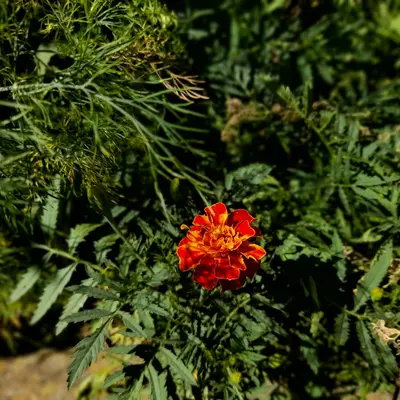
A vibrant compact French marigold that produces masses of deep red blooms with golden edges throughout the growing season. This heat-tolerant variety is perfect for beginners and experienced gardeners alike, offering reliable color and natural pest-deterrent properties. The sturdy, well-branched plants create stunning borders and container displays while attracting beneficial insects to the garden.
Harvest
60-70d
Days to harvest
Sun
Full sun to partial shade
Zones
2–11
USDA hardiness
Height
6-12 inches
Planting Timeline
Showing dates for Marigold French Durango Red in USDA Zone 7
All Zone 7 flower →Zone Map
Click a state to update dates
Marigold French Durango Red · Zones 2–11
Growing Details
Succession Planting
Durango Red blooms continuously once it starts, so you don't need to stagger multiple sowings the way you would with lettuce or radishes. One sowing — started indoors 6-8 weeks before your last frost date, or direct sown after soil reaches 60°F — will carry you through the whole warm season. Deadhead regularly and the plants keep flowering until frost takes them.
Complete Growing Guide
This compact French marigold thrives in full sun with at least six hours of direct daily light, which intensifies the deep red coloring and prevents the leggy stretching common in shadier conditions. Plant after frost danger passes, as Durango Red appreciates warm soil and air temperatures—it germinates poorly in cool conditions below 70°F. The variety's dense branching habit makes it naturally resistant to powdery mildew compared to taller marigold types, though overhead watering should be avoided to prevent fungal issues. Watch for spider mites during extended heat waves, as this cultivar's compact foliage can trap moisture that attracts pests. To maximize continuous blooming through season's end, deadhead spent flowers weekly rather than allowing seed set, which signals the plant to slow production. This cultivar tolerates poor soil exceptionally well, so avoid over-fertilizing, which promotes foliage at the expense of flowers.
Light: Full sun (6 or more hours of direct sunlight a day), Partial Shade (Direct sunlight only part of the day, 2-6 hours). Soil: Clay, Loam (Silt), Sand. Soil pH: Acid (<6.0), Neutral (6.0-8.0). Drainage: Good Drainage, Occasionally Dry. Height: 0 ft. 6 in. - 1 ft. 0 in.. Spread: 0 ft. 6 in. - 1 ft. 6 in.. Spacing: Less than 12 inches. Growth rate: Medium. Maintenance: Low. Regions: Coastal, Mountains, Piedmont.
Harvesting
Peak readiness for Durango Red marigolds occurs when the flower heads display fully saturated deep red coloring with prominent golden edges and feel slightly firm yet springy to the touch. Harvest these blooms in the early morning after dew has dried but before afternoon heat intensifies the flowers, as this timing preserves maximum petal texture and flavor for culinary use. Rather than waiting for complete seed formation, practice continuous harvesting by deadheading spent blooms every two to three days; this encourages prolific reblooming throughout the season and prevents the plant from diverting energy into seed development. Single harvests for decorative purposes work equally well, but consistent picking yields significantly more usable flowers over the growing cycle.
Edibility: Flowers are used to make refreshing drinks and the leaves are used for flavoring.
Storage & Preservation
Fresh marigold flowers last only 2-3 days refrigerated in a loosely covered container with slightly damp paper towels. Never store at room temperature, as petals wilt within hours.
For preservation, remove petals from the bitter white base immediately after harvest. Freeze individual petals on parchment-lined trays, then transfer to freezer bags for up to 6 months – perfect for winter soups and garnishes.
Dry petals by spreading them on screens in a warm, dark, well-ventilated area for 7-10 days until crisp. Store dried petals in airtight containers away from light for up to one year. Use dried petals for teas or as a saffron substitute in rice dishes.
Pickle whole small flower heads in white vinegar with a pinch of salt for colorful cocktail garnishes that last several weeks refrigerated.
History & Origin
The Durango Red belongs to the Durango series of French marigolds, a dwarf breeding line developed for compact growth and prolific flowering. While specific breeder attribution and introduction year remain undocumented in widely accessible horticultural records, the Durango line represents the modern direction of French marigold breeding, emphasizing reliable performance and disease resistance for commercial and home gardeners. French marigolds themselves descend from Mexican species that were cultivated and refined during the 20th century, with significant development occurring through seed companies focusing on ornamental garden varieties. The Durango series reflects contemporary breeding priorities for heat tolerance and consistent color production in small-space gardens.
Origin: Mexico, Guatamala
Advantages
- +Vibrant deep red flowers with golden edges bloom prolifically all season long.
- +Compact, sturdy growth habit makes it ideal for borders and containers.
- +Heat-tolerant variety requires minimal care, perfect for beginner gardeners.
- +Edible citrusy flowers add unique flavor and visual appeal to dishes.
- +Natural pest-deterrent properties reduce need for chemical interventions in gardens.
Considerations
- -Susceptible to spider mites, aphids, and thrips requiring regular monitoring.
- -Root rot develops quickly in waterlogged soil without proper drainage management.
- -Gray mold thrives in humid conditions, limiting growth in wet climates.
- -Edible flowers have slightly bitter taste that not all palates enjoy.
Companion Plants
Tomatoes and peppers are the strongest pairing with Durango Red, and there's a real mechanism behind it. French marigolds produce alpha-terthienyl and related thiophene compounds through their roots, which suppress root-knot nematodes (Meloidogyne spp.) in the surrounding soil — NC State Extension recommends planting them as a dense border or interplanting every 12 inches through nightshade beds for meaningful effect. Cucumbers and squash benefit from the same root chemistry, and the marigolds draw in aphids and thrips that would otherwise land directly on those crops first.
Cabbage and other brassicas are worth keeping at a distance. Marigold root exudates have shown allelopathic effects on some brassica germination and early growth, and there's a practical timing mismatch too — brassicas peak in spring and fall while Durango Red doesn't hit its stride until summer, so they're fighting over the same bed space without much overlap in usefulness. Peas have the same seasonal conflict. Mint is a different problem: it spreads by underground runners and will crowd out anything within 18-24 inches that doesn't fight back equally hard.
Plant Together
Tomatoes
Marigolds repel nematodes, whiteflies, and aphids that commonly attack tomato plants
Peppers
Marigolds deter aphids, spider mites, and other pests while attracting beneficial insects
Cucumbers
Repels cucumber beetles and aphids while providing ground cover
Beans
Marigolds repel Mexican bean beetles and other harmful insects
Squash
Deters squash bugs, cucumber beetles, and provides pest control
Carrots
Repels carrot flies and nematodes while not competing for space
Lettuce
Provides pest protection and partial shade for cool-season lettuce
Nasturtiums
Both trap crop for aphids and complement each other's pest-repelling properties
Keep Apart
Cabbage
Marigolds can inhibit growth of brassicas through root secretions
Peas
May stunt pea growth and interfere with nitrogen fixation
Mint
Aggressive spreading nature competes with marigolds and can overwhelm them
Pests & Disease Resistance
Resistance
Good resistance to powdery mildew and botrytis
Common Pests
Spider mites, aphids, thrips
Diseases
Root rot in waterlogged soil, gray mold in humid conditions
Troubleshooting Marigold French Durango Red
What you'll see, why it happens, and what to do about it.
Fine webbing on leaf undersides, leaves stippled silver or bronze, plants looking dull and washed out — usually in hot, dry stretches
Likely Causes
- Two-spotted spider mite (Tetranychus urticae) — populations explode when temps exceed 85°F and humidity drops
- Dusty conditions, which accelerate mite buildup on foliage
What to Do
- 1.Blast the undersides of leaves with a strong stream of water to knock mites off — do this in the morning so foliage dries before evening
- 2.Apply insecticidal soap or neem oil to leaf undersides on a 5-7 day interval until populations drop
- 3.Keep plants consistently watered; drought-stressed plants are more susceptible and mite populations move faster on them
Stems turning brown and soft at the soil line, plant wilting despite moist soil, roots gray or mushy when pulled
Likely Causes
- Pythium or Phytophthora root rot — both thrive in waterlogged, poorly drained soil
- Planting in heavy clay without amendment, or in a low spot that holds water after rain
What to Do
- 1.Pull and discard the affected plant — it won't recover once the crown is rotted
- 2.Let the bed dry out before watering again; Durango Red wants the soil surface dry between waterings
- 3.Work in 2-3 inches of compost before replanting in that spot, or switch to a raised bed with better drainage
Gray fuzzy coating on flowers or upper leaves, petals turning brown and collapsing, especially after cool humid nights
Likely Causes
- Botrytis cinerea (gray mold) — a fungal pathogen that moves fast on spent blooms and damaged tissue
- Poor air circulation from tight spacing, or plants crowded against a fence or wall
What to Do
- 1.Deadhead spent flowers immediately — Botrytis uses dying petals as its entry point before spreading to healthy tissue
- 2.Space plants the full 6-8 inches apart and don't push them against structures that block airflow
- 3.Remove and bag any visibly infected material; don't compost it
Frequently Asked Questions
How long does Marigold French Durango Red take to bloom from seed?▼
Can you grow Durango Red marigolds in containers?▼
Are Durango Red marigold flowers edible?▼
Do Durango Red marigolds really repel pests?▼
When should I plant Durango Red marigold seeds?▼
How often should I deadhead Durango Red marigolds?▼
Zone-by-Zone Planting Calendar
| Zone | Indoor Start | Transplant | Direct Sow | Harvest |
|---|---|---|---|---|
| Zone 1 | May – June | July – August | July – September | — |
| Zone 2 | April – May | June – July | June – August | — |
| Zone 11 | January – January | January – February | January – March | — |
| Zone 12 | January – January | January – February | January – March | — |
| Zone 13 | January – January | January – February | January – March | — |
| Zone 3 | April – May | June – July | June – August | — |
| Zone 4 | March – April | June – June | June – July | — |
| Zone 5 | March – April | May – June | May – July | — |
| Zone 6 | March – April | May – June | May – July | — |
| Zone 7 | February – March | April – May | April – June | — |
| Zone 8 | February – March | April – May | April – June | — |
| Zone 9 | January – February | March – April | March – May | — |
| Zone 10 | January – January | February – March | February – April | — |