Double Frappe Apricot 2
Antirrhinum majus
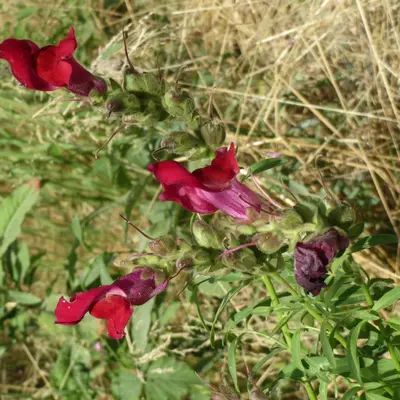
A very exciting development in snapdragon breeding, pairing the popular double-flower form and apricot color with earliness and a high degree of uniformity. Uniform flowering time and excellent quality blooms. Group 2 snapdragon bred for optimal performance when grown under lower light and cooler temperatures. Recommended for early spring, fall, or winter production indoors or where winter growing is possible.Compared to the Madame Butterfly series, Double Frappe is earlier to flower and more uniform in quality. Its lovely apricot color is unique and absent from the Madame Butterfly series. Double or Azalea type flower. Edible Flowers: The flowers are a colorful garnish for use in salads, desserts, and drinks. The flavor is floral and slightly bitter, so use sparingly.
Harvest
100-110d
Days to harvest
Sun
Full sun to partial shade
Zones
7–10
USDA hardiness
Height
0-3 feet
Planting Timeline
Showing dates for Double Frappe Apricot 2 in USDA Zone 7
All Zone 7 flower →Zone Map
Click a state to update dates
Double Frappe Apricot 2 · Zones 7–10
Growing Details
Succession Planting
Double Frappe Apricot 2 is a hybrid warm-season annual that blooms once per season per plant — it puts out its flush and fades as summer heat peaks, not a cut-and-come-again situation. That said, staggered starts make sense if you want continuous color. Start the first round indoors in February, transplant out in April, then start a second batch indoors in March to go out in May. Snapdragons in zones 7–10 tend to flag hard once daytime highs push consistently past 85–90°F, so that May transplant steps in right as the first planting is winding down.
In zone 7, a late-summer sow in August — direct or indoor — catches the cooler fall window. Snapdragons actually perform better in 55–70°F conditions than in midsummer heat, and that fall planting will often outlast the spring one, carrying color well into October or November.
Complete Growing Guide
A very exciting development in snapdragon breeding, pairing the popular double-flower form and apricot color with earliness and a high degree of uniformity. Uniform flowering time and excellent quality blooms. Group 2 snapdragon bred for optimal performance when grown under lower light and cooler temperatures. Recommended for early spring, fall, or winter production indoors or where winter growing is possible.Compared to the Madame Butterfly series, Double Frappe is earlier to flower and more uniform in quality. Its lovely apricot color is unique and absent from the Madame Butterfly series. Double or Azalea type flower. Edible Flowers: The flowers are a colorful garnish for use in salads, desserts, and drinks. The flavor is floral and slightly bitter, so use sparingly. According to Johnny's Selected Seeds, Double Frappe Apricot 2 is 100 - 110 days to maturity, annual, hybrid (f1). Notable features: Use for Cut Flowers and Bouquets, Greenhouse Performer, Fragrant, Edible Flowers.
Light: Full sun (6 or more hours of direct sunlight a day), Partial Shade (Direct sunlight only part of the day, 2-6 hours). Soil: High Organic Matter. Drainage: Good Drainage. Height: 0 ft. 6 in. - 3 ft. 0 in.. Spread: 0 ft. 6 in. - 0 ft. 10 in.. Spacing: Less than 12 inches. Growth rate: Medium. Maintenance: Medium.
Harvesting
Double Frappe Apricot 2 reaches harvest at 100 - 110 days from sowing per Johnny's Selected Seeds. As an annual, harvest continues until frost ends the season.
A capsule, half hidden by calyx lobes, short-beaked.
Type: Capsule. Length: 1-3 inches.
Storage & Preservation
Fresh cut snapdragon flowers should be stored in a cool location, ideally in a refrigerator at 34-40°F to extend vase life to 7-10 days. Keep stems in fresh water and change water every 2-3 days. For longer preservation, dry the flowers by hanging them upside-down in a cool, dark, well-ventilated space for 1-2 weeks. Alternatively, press flowers between absorbent paper under weight for 2-3 weeks for botanical preservation. Freeze individual petals in ice cube trays with water for decorative use in drinks, lasting several months when stored in the freezer.
History & Origin
Double Frappe Apricot 2 is an F1 hybrid developed through controlled cross-pollination. Listed in the Johnny's Selected Seeds catalog.
Origin: Southwestern Europe
Advantages
- +Unique apricot color unavailable in competing Madame Butterfly series
- +Earlier flowering and more uniform quality than Madame Butterfly snapdragons
- +Thrives in cool temperatures and lower light indoor conditions
- +Double azalea-form flowers provide exceptional visual impact and fullness
- +Edible flowers offer creative garnish potential for culinary applications
Considerations
- -100-110 day timeline requires extended growing period before sale
- -Floral flavor with slight bitterness limits edible flower appeal broadly
- -Double flowers may reduce seed production for home gardeners
- -Cool-temperature requirement restricts warm-season outdoor growing flexibility
Companion Plants
Marigolds are the most practical neighbor here. French marigolds (Tagetes patula) produce thiophenes in their roots that suppress nematodes in the soil, and their scent disrupts aphids that would otherwise zero in on snapdragon stems. Planted as a border 6–8 inches out, they pull their weight without competing much for root space. Sweet alyssum stays low, flowers almost constantly, and draws parasitic wasps (Braconidae family) that prey on aphid colonies — that's a documented mechanism, not just a pairing that looks nice in a photo.
Nasturtiums do double duty as a trap crop. Aphids genuinely prefer them over most other plants, so a cluster nearby pulls pressure away from your snapdragons. The catch: you have to monitor the nasturtiums and knock aphids off or remove infested stems — otherwise you've built an aphid nursery next door. Cosmos and zinnias round out the good-neighbor list by keeping pollinators cycling through the bed, which benefits any edibles nearby.
Black walnut is the plant to avoid entirely. The allelopathic compound juglone — released through walnut roots and decomposing leaf litter — is documented by NC State Extension to stunt or kill a wide range of ornamentals, and Antirrhinum majus is sensitive enough that even soil previously occupied by walnut roots can cause problems. Eucalyptus drops similar growth-inhibiting compounds through its leaf litter, so skip using eucalyptus mulch anywhere near this bed.
Plant Together
Marigolds
Repel aphids, whiteflies, and nematodes while attracting beneficial insects
Sweet Alyssum
Attracts beneficial insects like lacewings and provides ground cover to retain moisture
Nasturtiums
Act as trap crops for aphids and cucumber beetles, protecting nearby flowers
Lavender
Repels moths, fleas, and flies while attracting pollinators like bees
Petunias
Repel aphids, tomato hornworms, and asparagus beetles naturally
Zinnia
Attracts beneficial predatory insects and provides complementary colors
Chives
Repel aphids and Japanese beetles while improving soil health
Cosmos
Attract beneficial insects and provide height variation without competing for nutrients
Keep Apart
Black Walnut
Produces juglone toxin that inhibits growth and can kill sensitive flowering plants
Eucalyptus
Releases allelopathic compounds that suppress growth of nearby plants
Sunflowers
Compete aggressively for nutrients and water, may stunt growth of smaller flowers
Troubleshooting Double Frappe Apricot 2
What you'll see, why it happens, and what to do about it.
Powdery white coating on leaves and stems, usually showing up mid-summer when nights cool down
Likely Causes
- Powdery mildew (Podosphaeria xanthii or Erysiphe cichoracearum) — thrives when warm days are followed by cool, humid nights
- Crowded spacing that reduces airflow between plants
What to Do
- 1.Remove and bin the worst-affected stems — don't compost them
- 2.Spray with a diluted potassium bicarbonate solution (1 tablespoon per gallon of water) every 7 days until symptoms stop spreading
- 3.Next planting, space snapdragons at least 9–12 inches apart and avoid overhead watering in the evening
Orange or rust-colored pustules on the undersides of leaves, with corresponding yellow patches on top
Likely Causes
- Snapdragon rust (Puccinia antirrhini) — a fungal disease that spreads via windborne spores and splashing water
- Wet foliage left sitting overnight, often from overhead irrigation
What to Do
- 1.Pull and trash infected leaves immediately — Puccinia antirrhini spreads fast once it's established
- 2.Switch to drip irrigation or water at the base of plants in the morning so foliage dries before sundown
- 3.If rust recurs season after season in the same bed, move snapdragons to a new location for at least 2 years
Frequently Asked Questions
How long do Double Frappe Apricot 2 snapdragon flowers last once cut?▼
Can I grow Double Frappe Apricot 2 snapdragons in containers?▼
Is Double Frappe Apricot 2 a good snapdragon variety for beginners?▼
When should I plant Double Frappe Apricot 2 snapdragons?▼
What does Double Frappe Apricot 2 taste like as an edible flower?▼
How does Double Frappe compare to Madame Butterfly snapdragons?▼
Zone-by-Zone Planting Calendar
| Zone | Indoor Start | Transplant | Direct Sow | Harvest |
|---|---|---|---|---|
| Zone 1 | May – June | July – August | July – September | — |
| Zone 2 | April – May | June – July | June – August | — |
| Zone 11 | January – January | January – February | January – March | — |
| Zone 12 | January – January | January – February | January – March | — |
| Zone 13 | January – January | January – February | January – March | — |
| Zone 3 | April – May | June – July | June – August | — |
| Zone 4 | March – April | June – June | June – July | — |
| Zone 5 | March – April | May – June | May – July | — |
| Zone 6 | March – April | May – June | May – July | — |
| Zone 7 | February – March | April – May | April – June | — |
| Zone 8 | February – March | April – May | April – June | — |
| Zone 9 | January – February | March – April | March – May | — |
| Zone 10 | January – January | February – March | February – April | — |
Growing Guides from Wind River Greens
Sources & References
External authority sources used in compiling this guide.
- BreederJohnny's Selected Seeds
See the Methodology page for how this data is sourced, what's AI-assisted, and known limitations.