Red Giant
Brassica juncea
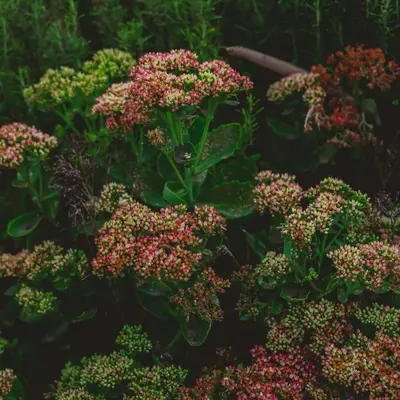
Red Giant is a striking heirloom lettuce variety prized for its deep burgundy leaves with tender texture. Reaching maturity in just 21 days, it thrives in full sun to partial shade and adapts well to various growing conditions. This variety's defining characteristic is its distinctive peppery, mustard-like flavor that sets it apart from conventional lettuces. The tender leaves make it excellent for fresh salads, where the bold color and spicy notes create both visual appeal and complex taste. Red Giant is exceptionally easy to grow, making it ideal for gardeners of all skill levels.
Harvest
21d
Days to harvest
Sun
Full sun to partial shade
Zones
8–11
USDA hardiness
Height
12-18 inches
Planting Timeline
Showing dates for Red Giant in USDA Zone 7
All Zone 7 lettuce →Zone Map
Click a state to update dates
Red Giant · Zones 8–11
Growing Details
Succession Planting
Red Giant bolts fast once daytime highs push past 80°F and nights stay warm — at that point the leaves sharpen and the plant is done for eating. Direct sow every 14–18 days starting March 1 in zone 7, and plan your last spring sowing around May 1 before heat shuts things down. At 21 days to harvest, you can squeeze two or three cuts out of a bed before it turns on you.
Pick back up with sowings in mid-August through September for a fall run — that's often the cleaner crop anyway, since cooling nights slow bolt pressure and the flavor mellows out. Keep sowing every 14 days through mid-October; plants started in October will slow down but can persist and give you cuts into November.
Complete Growing Guide
Purple-tinted leaves with gently scalloped margins. Plant densely so leaves remain a proper size for baby leaf and petioles elongate for easy harvest. Somewhat spicy mustard flavor. Also available in organic seed. According to Johnny's Selected Seeds, Red Giant is 21 baby, 45 full size to maturity, annual, open pollinated. Notable features: Cold Tolerant, Hydroponic Performer, Heat Tolerant.
Light: Full sun (6 or more hours of direct sunlight a day), Partial Shade (Direct sunlight only part of the day, 2-6 hours). Soil: High Organic Matter. Soil pH: Neutral (6.0-8.0). Drainage: Good Drainage, Moist. Height: 1 ft. 0 in. - 1 ft. 6 in.. Spread: 1 ft. 0 in. - 1 ft. 6 in.. Spacing: Less than 12 inches. Growth rate: Rapid. Maintenance: Medium. Regions: Coastal, Mountains, Piedmont.
Harvesting
Red Giant reaches harvest at 21 baby, 45 full size from sowing per Johnny's Selected Seeds. As an annual, harvest continues until frost ends the season.
Long pods with round, brown seeds. The fruits will dry and split when ripe. The seeds are harvested for use in condiments and oil.
Color: Brown/Copper. Type: Siliqua.
Garden value: Edible
Edibility: The leaves, seeds, flowers, and stems of this mustard variety are edible raw or cooked. Harvested leaves can be stored in the fridge for 3-5 days.
Storage & Preservation
Red Giant lettuce stores best in a perforated plastic bag or breathable container in the refrigerator at 32–40°F with humidity around 95 percent. Harvest in the early morning when leaves are crisp and fully hydrated for longest storage. Fresh heads will keep for 7–10 days if handled gently and kept dry.
For preservation, freezing works adequately for cooked applications: blanch leaves briefly in boiling water for 2–3 minutes, shock in ice water, then pack into freezer bags with excess air removed. Fermentation is an excellent option for this peppery variety—shred the leaves, salt at 2–3 percent by weight, pack tightly in a jar, and let sit at room temperature for 3–7 days until desired tanginess develops. The fermented product keeps refrigerated for several months.
Red Giant's robust flavor intensifies slightly when fermented, making it superior to milder lettuce varieties for this method.
History & Origin
Red Giant is open-pollinated, meaning seed saved from healthy plants will produce true-to-type offspring. Listed in the Johnny's Selected Seeds catalog.
Origin: Russia to central Asia
Advantages
- +Purple-tinted leaves provide striking visual appeal in salads and presentations
- +Quick 21-day harvest cycle allows multiple successions in growing season
- +Scalloped leaf margins create attractive garnish without additional preparation
- +Spicy mustard flavor adds distinctive taste complexity to mild lettuces
- +Dense planting strategy maximizes yield in limited garden space
Considerations
- -Mustard flavor may be too assertive for consumers preferring mild greens
- -Requires consistent dense spacing or leaves become oversized and tough
- -Purple coloring can fade or become less vibrant in excessive heat
Companion Plants
Chives and garlic both deter aphids through volatile sulfur compounds, and that matters — Red Giant's textured, crinkled leaves trap aphid colonies in ways that smooth-leaf greens don't. Marigolds (Tagetes spp.) confuse and repel flea beetles, which will otherwise shotgun your stand with holes inside a week. Radishes do two things at once: they break up the shallow compaction zone where mustard roots feed, and they draw flea beetles away from the main planting as a trap crop. Nasturtiums work similarly as a beetle magnet, and they're a practical edge plant for any bed you're already using.
Broccoli is the one to pull away from Red Giant. In our zone 7 Georgia garden, stacking brassicas too close together concentrates both flea beetle (Phyllotreta spp.) and cabbage looper (Trichoplusia ni) pressure in a single area — two crops take the hit instead of one. They're also feeding at the same soil depth, so there's no root-zone benefit to offset the pest problem. Sunflowers cast enough afternoon shade to visibly slow a mustard stand, and they tend to carry aphid populations that migrate to whatever is growing beneath them.
Plant Together
Chives
Repels aphids and improves lettuce flavor while providing natural pest control
Marigolds
Deters nematodes, aphids, and other pests while attracting beneficial insects
Carrots
Loosens soil for lettuce roots and doesn't compete for same nutrients
Radishes
Breaks up soil, grows quickly between lettuce plants, and deters flea beetles
Nasturtiums
Acts as trap crop for aphids and adds living mulch to retain soil moisture
Garlic
Natural fungicide properties and repels aphids, slugs, and other soft-bodied pests
Dill
Attracts beneficial insects like ladybugs and parasitic wasps that control aphids
Spinach
Similar growing requirements and can be interplanted for efficient space usage
Parsley
Attracts beneficial insects and provides ground cover without competing for resources
Keep Apart
Broccoli
Heavy feeder that competes for nitrogen and can shade out lettuce plants
Sunflowers
Allelopathic effects inhibit lettuce germination and growth
Nutrition Facts
Per 100g serving. % Daily Value based on 2,000 calorie diet. Source: USDA FoodData Central (FDC #2346388)
Pests & Disease Resistance
Common Pests
Aphids, slugs, snails, flea beetles, loopers
Diseases
Lettuce mosaic virus, downy mildew, tipburn
Troubleshooting Red Giant
What you'll see, why it happens, and what to do about it.
Seedlings collapse at the soil line within the first 7–10 days after transplanting or direct sow
Likely Causes
- Damping off — a complex of soil-borne fungi (Pythium spp., Rhizoctonia solani) that thrive in wet, poorly drained beds
- Replanting the same bed with brassicas or lettuce for 3+ consecutive years, building up pathogen load in the soil
What to Do
- 1.Pull the dead seedlings and check the stem base — if it's pinched or water-soaked at the soil line, damping off is your culprit; your county extension diagnostic lab can confirm if you want to be sure
- 2.Let the bed surface dry slightly between waterings — consistent moisture doesn't mean constantly saturated
- 3.Rotate this bed out of brassicas and leafy greens for at least one season, and work in finished compost to improve drainage before replanting
Tiny round holes punched across leaves, especially on young transplants in spring
Likely Causes
- Flea beetles (Phyllotreta spp.) — small, jumping beetles that hit brassica-family crops hard, and Red Giant's broad leaves give them plenty of surface area
- Warm, dry spells that stress plants and slow their ability to push past the damage
What to Do
- 1.Cover transplants immediately with row cover (Agribon AG-15 or similar) and seal the edges to the ground — flea beetles will find any gap you leave
- 2.Keep soil consistently moist; water-stressed plants take much longer to outgrow flea beetle pressure
- 3.For baby-leaf harvest at 21 days, you can often just cut and move on before a heavy infestation peaks — the short window works in your favor
Pale yellow patches on the upper leaf surface with grayish-purple fuzzy growth on the underside, spreading quickly in cool wet stretches
Likely Causes
- Downy mildew (Peronospora parasitica) — a water mold that spreads fast when nights sit between 55–65°F and humidity is high
- Overhead irrigation or dense planting that keeps foliage wet for hours at a time
What to Do
- 1.Strip affected leaves and trash them — do not add them to the compost pile
- 2.Switch to drip irrigation or water at the base in the morning so foliage dries before nightfall
- 3.Thin to at least 6 inches apart to open airflow — dense baby-leaf beds are especially prone once mildew gets established
Frequently Asked Questions
How long does Red Giant lettuce take to grow from seed to harvest?▼
Is Red Giant lettuce a good choice for beginner gardeners?▼
Can you grow Red Giant lettuce in containers?▼
What does Red Giant lettuce taste like?▼
How much sunlight does Red Giant lettuce need?▼
When should you plant Red Giant lettuce seeds?▼
Zone-by-Zone Planting Calendar
| Zone | Indoor Start | Transplant | Direct Sow | Harvest |
|---|---|---|---|---|
| Zone 1 | — | — | June – July | June – September |
| Zone 2 | — | — | May – July | June – September |
| Zone 11 | — | — | January – February | January – December |
| Zone 12 | — | — | January – February | January – December |
| Zone 13 | — | — | January – February | January – December |
| Zone 3 | — | — | May – June | May – October |
| Zone 4 | — | — | April – June | May – October |
| Zone 5 | — | — | April – May | May – November |
| Zone 6 | — | — | April – May | April – November |
| Zone 7 | — | — | March – May | April – November |
| Zone 8 | — | — | March – April | March – December |
| Zone 9 | — | — | February – March | February – December |
| Zone 10 | — | — | January – March | February – December |
Growing Guides from Wind River Greens
Sources & References
External authority sources used in compiling this guide.
- BreederJohnny's Selected Seeds
- USDAUSDA FoodData Central
See the Methodology page for how this data is sourced, what's AI-assisted, and known limitations.