Pac Choi, Red Pac
Brassica rapa var. chinensis
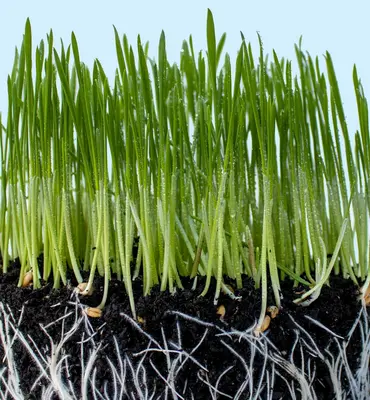
Mild flavor. Based on our yield trial, we recommend seeding 10.5 gm per tray at approx. 3 flats per oz. of seed. Avg. days to maturity was 13 days when harvested at the first true leaf (as opposed to cotyledon) stage.
Harvest
10-15d
Days to harvest
Sun
Full sun to part shade
Zones
5–9
USDA hardiness
Height
3 feet
Planting Timeline
Showing dates for Pac Choi, Red Pac in USDA Zone 7
All Zone 7 microgreen →Zone Map
Click a state to update dates
Pac Choi, Red Pac · Zones 5–9
Growing Details
Succession Planting
Red Pac Choi microgreens go from sow to cut in 10–15 days, so the math on succession is straightforward: start a new flat every 5–7 days and you'll have continuous harvest with no gap. Three flats staggered a week apart is enough for most households or a modest CSA share. Because this is an indoor tray crop with no heat threshold to manage, that cadence runs identically in January and July — the only thing you'll adjust in dry winter months is watering frequency, since indoor air pulls moisture out of the growing medium faster than you'd expect.
Complete Growing Guide
Mild flavor. Based on our yield trial, we recommend seeding 10.5 gm per tray at approx. 3 flats per oz. of seed. Avg. days to maturity was 13 days when harvested at the first true leaf (as opposed to cotyledon) stage. According to Johnny's Selected Seeds, Pac Choi, Red Pac is 10 - 15 days to maturity, annual. Notable features: Hydroponic Performer.
Light: Full sun (6 or more hours of direct sunlight a day), Partial Shade (Direct sunlight only part of the day, 2-6 hours). Soil: Clay, Loam (Silt), Sand. Soil pH: Acid (<6.0), Neutral (6.0-8.0). Drainage: Good Drainage, Moist. Height: 0 ft. 10 in. - 2 ft. 0 in.. Spread: 1 ft. 0 in. - 2 ft. 0 in.. Spacing: 12 inches-3 feet. Growth rate: Medium. Maintenance: Medium. Propagation: Seed, Stem Cutting. Regions: Coastal, Mountains, Piedmont.
Harvesting
Pac Choi, Red Pac reaches harvest at 10 - 15 days from sowing per Johnny's Selected Seeds. Expect 5 g at peak. As an annual, harvest continues until frost ends the season.
The fruits dry and split when ripe.
Color: Brown/Copper, Green. Type: Siliqua. Length: > 3 inches.
Garden value: Edible
Harvest time: Fall, Summer
Bloom time: Spring, Summer
Edibility: The foliage is edible raw or cooked but when cooked can emit an unpleasant odor.
Storage & Preservation
Red Pac microgreens are best stored at 32–40°F in a sealed container lined with paper towels to absorb excess moisture; they'll keep fresh for 7–10 days under these conditions. For longer preservation, freezing works well: blanch briefly in boiling water for 2–3 minutes, ice-bath immediately, then pack into freezer bags or containers. Dried red Pac retains color and mild peppery notes when air-dried at low heat (95–115°F) or in a dehydrator set to 110°F for 4–6 hours; store the dried greens in airtight containers away from light. Light fermentation is also viable—pack fresh microgreens with salt (roughly 2–3% by weight) in a jar, weight down, and let them sit at cool room temperature for 3–7 days for a tangy preserved product. The red varieties are particularly prone to wilting, so harvest in early morning and chill immediately for best results.
History & Origin
Red Pac is a modern cultivar within the Asian greens breeding tradition, derived from the broader Brassica rapa var. chinensis species that encompasses pak choi varieties cultivated for centuries in China. While specific breeder attribution and release year for this particular red-leafed selection are not well documented in readily available sources, Red Pac represents the contemporary horticultural trend of developing colorful microgreen and baby leaf variants from established Asian vegetable lineages. The variety likely emerged from commercial seed companies specializing in microgreens during the past two decades, reflecting increased market demand for visually distinctive, nutrient-dense microgreen offerings rather than from formal university breeding programs or named heritage traditions.
Brassica is a genus of plants in the cabbage and mustard family (Brassicaceae). The members of the genus are informally known as cruciferous vegetables, cabbages, mustard plants, or simply brassicas. Crops from this genus are sometimes called cole crops—derived from the Latin caulis, denoting the stem or stalk of a plant.
Advantages
- +Very fast maturity at 10-15 days maximizes crop turnover and profitability
- +Mild flavor appeals to broad customer base and diverse cuisines
- +Easy difficulty level requires minimal skill and reduces growing failures
- +Efficient seeding rate of 10.5gm per tray optimizes seed costs
- +Red coloration provides attractive visual appeal compared to green varieties
Considerations
- -Brassica family susceptibility to fungal diseases in high humidity conditions
- -Mild flavor may lack the distinctive taste profile some chefs demand
- -Requires precise first true leaf harvest timing to avoid overgrowth
Companion Plants
For a tray crop, "companions" mostly means what's sharing your rack or propagation shelf — and Red Pac Choi sits comfortably next to lettuce, arugula, spinach, and mustard greens because they all want the same high-moisture, fast-turn conditions without competing for anything meaningful. In our zone 7 Georgia operation, we run these cool-tolerant salad and brassica trays year-round without separation. Fennel is the one to keep off the rack entirely — its volatile oils are allelopathic and can suppress germination in trays sitting within a foot or two, even at this scale. Tomato starts are a subtler problem: the ethylene they off-gas during ripening can stress seedlings in their first week, so don't co-locate them with fresh-sown flats.
Plant Together
Lettuce
Similar growing requirements and harvest timing, efficient space utilization
Radish
Quick germination helps break soil crust, can be harvested before pac choi needs full space
Arugula
Compatible growth rates and water needs, both cool-season crops
Spinach
Similar light and moisture requirements, both thrive in cool conditions
Cilantro
Natural pest deterrent and compatible harvest timing for microgreens
Chives
Repels aphids and other soft-bodied insects that attack brassicas
Dill
Attracts beneficial insects and may help deter cabbage pests
Kale
Same family with similar nutrient and growing requirements
Mustard Greens
Fellow brassica with compatible growing conditions and spacing needs
Keep Apart
Fennel
Allelopathic compounds inhibit growth of most brassicas including pac choi
Tomatoes
Different water and nutrient needs, may overshadow delicate microgreens
Beans
Heavy nitrogen fixation can cause excessive leaf growth at expense of tender microgreen quality
Nutrition Facts
Per 100g serving. % Daily Value based on 2,000 calorie diet. Source: USDA FoodData Central (FDC #167782)
Troubleshooting Pac Choi, Red Pac
What you'll see, why it happens, and what to do about it.
Seed mat stays wet 48+ hours after sowing and shows white fuzzy growth at the soil line by day 3–4
Likely Causes
- Damping-off (Pythium or Rhizoctonia spp.) — triggered by overwatering and poor airflow
- Overhead misting keeping the surface saturated instead of bottom-watering
What to Do
- 1.Switch entirely to bottom-watering: set the flat in 1/2 inch of water for 10–15 minutes, then drain — don't mist the canopy again
- 2.Run a small fan on low across the trays for 1–2 hours a day to dry the surface between waterings
- 3.Trash the affected flat; damping-off spreads fast in a dense microgreen tray and recovery is rarely worth it
Seedlings emerge pale yellow-green instead of the expected red-purple color by day 7–8
Likely Causes
- Insufficient light — Red Pac Choi needs strong light to trigger anthocyanin pigmentation
- Blackout period extended past day 4–5, starving seedlings of the light needed for color development
What to Do
- 1.Move trays to a south-facing window or place them 2–3 inches below a grow light running 14–16 hours per day as soon as the seed hulls lift
- 2.Pull the blackout dome by day 4–5 at the latest — once shoots are pushing, they need photons
- 3.Color should deepen within 24–48 hours of adequate light; if it doesn't shift noticeably, your light source is too weak or too far away
Frequently Asked Questions
How long does it take to grow Red Pac Choi microgreens?▼
Is Red Pac Choi microgreen good for beginners?▼
What does Red Pac Choi microgreen taste like?▼
How much seed should I use per tray?▼
Can Red Pac Choi microgreens be grown in containers?▼
What light conditions do Red Pac Choi microgreens need?▼
Zone-by-Zone Planting Calendar
| Zone | Indoor Start | Transplant | Direct Sow | Harvest |
|---|---|---|---|---|
| Zone 3 | January – December | — | — | January – December |
| Zone 4 | January – December | — | — | January – December |
| Zone 5 | January – December | — | — | January – December |
| Zone 6 | January – December | — | — | January – December |
| Zone 7 | January – December | — | — | January – December |
| Zone 8 | January – December | — | — | January – December |
| Zone 9 | January – December | — | — | January – December |
| Zone 10 | January – December | — | — | January – December |
| Zone 1 | January – December | — | — | January – December |
| Zone 2 | January – December | — | — | January – December |
| Zone 11 | January – December | — | — | January – December |
| Zone 12 | January – December | — | — | January – December |
| Zone 13 | January – December | — | — | January – December |
Growing Guides from Wind River Greens
Sources & References
External authority sources used in compiling this guide.
- BreederJohnny's Selected Seeds
- USDAUSDA FoodData Central
See the Methodology page for how this data is sourced, what's AI-assisted, and known limitations.