Aloe Vera
Aloe barbadensis miller
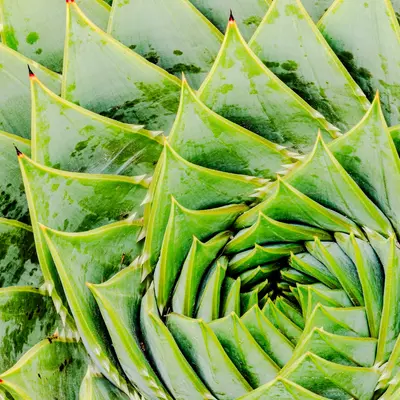
The ultimate multi-purpose succulent that serves as both a beautiful houseplant and a natural medicine cabinet. Its thick, gel-filled leaves provide soothing relief for burns and skin irritations while requiring minimal care. This ancient healing plant thrives indoors and produces stunning orange flower spikes when mature.
Harvest
180-365d
Days to harvest
Sun
Full sun to partial shade
Zones
10–12
USDA hardiness
Height
12-24 inches
Complete Growing Guide
Light: Full sun (6 or more hours of direct sunlight a day), Partial Shade (Direct sunlight only part of the day, 2-6 hours). Soil: Loam (Silt), Sand. Soil pH: Acid (<6.0), Alkaline (>8.0), Neutral (6.0-8.0). Drainage: Good Drainage, Occasionally Dry. Height: 1 ft. 0 in. - 2 ft. 0 in.. Spread: 1 ft. 0 in. - 2 ft. 6 in.. Spacing: 12 inches-3 feet. Growth rate: Medium. Maintenance: Low. Propagation: Division.
Harvesting
Edibility: Causes low toxicity if eaten. Used medicinally and in drinks when properly prepared.
Storage & Preservation
Store fresh aloe vera leaves on the counter at room temperature (60-75°F) in a dry environment—avoid refrigeration as cold damages the gel. Properly stored leaves last 1-2 weeks before the gel oxidizes and darkens. For preservation: (1) Freeze extracted gel in ice cube trays for up to 6 months, ideal for skincare application. (2) Dry leaves completely in a warm, dark place for herbal tea, storing in airtight containers for 6-12 months. (3) Make aloe vera juice by blending gel with water and strain through cheesecloth, refrigerating for up to 2 weeks.
History & Origin
Origin: Arabian Peninsula
Advantages
- +Attracts: Bees, Butterflies, Hummingbirds, Songbirds
- +Edible: Causes low toxicity if eaten. Used medicinally and in drinks when properly prepared.
- +Low maintenance
Considerations
- -Toxic (Leaves): Low severity
- -Causes contact dermatitis
Companion Plants
Aloe vera's companion logic is almost entirely about shared growing conditions rather than the chemical interactions you'd see in a vegetable bed. Jade plant (Crassula ovata), Echeveria, Haworthia, and Sedum all want the same things aloe does: fast-draining soil, infrequent deep watering every 2-3 weeks, and bright light without constantly wet roots. Grouping them in one container or on one tray makes watering manageable — you're not juggling separate schedules for each pot on the shelf. Haworthia is worth singling out because it handles 4 hours of indirect light without complaint, so it works in spots that don't quite hit aloe's preferred 6-hour threshold, and it won't pressure you to overwater the aloe trying to compensate.
Rosemary and lavender pair reasonably well outdoors. Around here in the Georgia piedmont, all three can share a well-drained raised bed or gravel-mulched border through summer, since rosemary and lavender are equally intolerant of wet feet. The connection isn't pest suppression — it's that their drainage requirements are close enough that one consistent watering approach keeps all three alive without compromise.
The harmful companions — ferns, impatiens, and hostas — fail for one straightforward reason: they need consistently moist soil, often in part shade. Keeping aloe near any of them forces a choice. Keep the soil wet enough for the ferns and the aloe develops root rot within a season; keep it dry enough for the aloe and the ferns turn crispy and brown by July. There's no middle ground, so put them in completely separate beds or containers from the start.
Plant Together
Jade Plant
Similar water and light requirements, both thrive in well-draining soil
Echeveria
Compatible watering schedule and both prefer bright, indirect light
Haworthia
Nearly identical care requirements and both are slow-growing succulents
Snake Plant
Both tolerate drought and prefer infrequent watering with good drainage
Sedum
Similar soil drainage needs and both store water in their leaves
Zebra Plant
Compatible light requirements and both prefer dry conditions between waterings
Rosemary
Both prefer well-draining soil and can tolerate dry conditions
Lavender
Similar preference for sandy, well-draining soil and minimal watering
Keep Apart
Ferns
Require consistently moist soil and high humidity, opposite of aloe's needs
Impatiens
Need frequent watering and rich, moist soil which can cause aloe root rot
Hostas
Prefer shade and consistent moisture, creating incompatible growing conditions
Pests & Disease Resistance
Resistance
Generally resistant to most diseases when not overwatered
Common Pests
Mealybugs, scale insects, aphids
Diseases
Root rot from overwatering, leaf spot in humid conditions
Troubleshooting Aloe Vera
What you'll see, why it happens, and what to do about it.
Leaves turning mushy and brown at the base, plant wobbling loose in the pot
Likely Causes
- Root rot (Phytophthora or Pythium spp.) caused by sitting in waterlogged soil
- Pot without drainage holes trapping water at the root zone
What to Do
- 1.Unpot the plant immediately and cut off any black or mushy roots with clean scissors
- 2.Let the bare root ball air-dry for 24-48 hours before repotting into dry, gritty cactus mix
- 3.Switch to a terracotta pot with at least one drainage hole — terracotta wicks moisture away from the roots faster than glazed ceramic or plastic
White cottony clusters in the leaf axils or along the stem, leaves looking dull or slightly puckered
Likely Causes
- Mealybugs (Pseudococcus spp.) — common on indoor succulents, especially in warm, dry conditions
- Bringing in a new plant from a nursery without quarantining it first
What to Do
- 1.Dab each visible cluster with a cotton swab soaked in 70% isopropyl alcohol — it kills on contact
- 2.Follow up with a spray of diluted neem oil (2 tsp per quart of water) every 7 days for 3 weeks
- 3.Quarantine any new succulent for at least 2 weeks before setting it near your aloe
Brown or tan circular spots on the leaf surface, slightly sunken, appearing during humid stretches
Likely Causes
- Leaf spot (Colletotrichum or Alternaria spp.) — fungal, triggered by high humidity and poor airflow
- Water sitting on the leaves from overhead watering or a humid bathroom setting
What to Do
- 1.Water at the soil level only — never pour directly onto the leaves
- 2.Move the plant to a spot with better airflow; a small fan running a few hours a day helps indoors
- 3.Remove badly spotted leaves at the base and dispose of them in the trash, not the compost
Flat, brown or tan shell-like bumps on the stems and undersides of leaves, sticky residue on nearby surfaces
Likely Causes
- Scale insects (Coccus hesperidum or similar soft scale) — they feed by piercing the tissue and excreting honeydew
- Stressed or underfed plants are more susceptible; scale thrives in dry indoor air
What to Do
- 1.Scrape off visible scale with an old toothbrush or a fingernail, then wipe the area with 70% isopropyl alcohol
- 2.Apply horticultural oil to all stem and leaf surfaces; repeat every 10 days for a month
- 3.Check neighboring succulents immediately — scale moves fast across a crowded windowsill
Frequently Asked Questions
How long does it take for aloe vera to grow large enough to harvest?▼
Is aloe vera good for beginners?▼
Can you grow aloe vera in containers?▼
What does aloe vera taste like and is it safe to ingest?▼
How often should I water aloe vera plants?▼
When is the best time to propagate aloe vera?▼
Growing Guides from Wind River Greens
Sources & References
External authority sources used in compiling this guide.
- ExtensionNC State Extension
See the Methodology page for how this data is sourced, what's AI-assisted, and known limitations.