Iron Rose
Matthiola incana
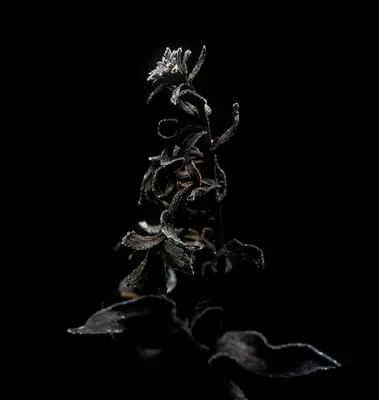
Early single-stem, or column-type stock in a highly uniform series for one-cut harvest. Aptly named for strong, straight, rigid stems. Iron performed well in our spring, early summer, and fall trials. Selectable for doubles and 55% double without selection. Compared to Katz, Iron is slightly later to flower, and has somewhat shorter and thicker stems. Tightly spaced florets on the flower spike make for compact 1 1/2-2", dark rose-red blooms with a full appearance. NOTE: This variety produces one flowering stem per plant. Pinching is not advisable as it will terminate flowering. Edible Flowers: The peppery, clove-like flavor of the flowers lends itself well to use as a garnish on salads, desserts, and drinks.
Harvest
90-105d
Days to harvest
Sun
Full sun to partial shade
Zones
6–10
USDA hardiness
Height
1-3 feet
Planting Timeline
Showing dates for Iron Rose in USDA Zone 7
All Zone 7 flower →Zone Map
Click a state to update dates
Iron Rose · Zones 6–10
Growing Details
Succession Planting
Iron Rose doesn't lend itself to tight succession planting the way a cut-and-come-again green does — each plant has one main flush of stems, and once the heat arrives, it's finished. You can stretch the harvest window, though, by staggering two or three small indoor sowings: start the first batch in early February, a second in late February, and a third in mid-March. Transplant each round once nighttime temps stay reliably above 35°F. In zone 7 that cadence delivers blooms from roughly May through late June before daytime highs push past 85°F and shut down bud set.
Complete Growing Guide
Early single-stem, or column-type stock in a highly uniform series for one-cut harvest. Aptly named for strong, straight, rigid stems. Iron performed well in our spring, early summer, and fall trials. Selectable for doubles and 55% double without selection. Compared to Katz, Iron is slightly later to flower, and has somewhat shorter and thicker stems. Tightly spaced florets on the flower spike make for compact 1 1/2-2", dark rose-red blooms with a full appearance. NOTE: This variety produces one flowering stem per plant. Pinching is not advisable as it will terminate flowering. Edible Flowers: The peppery, clove-like flavor of the flowers lends itself well to use as a garnish on salads, desserts, and drinks. According to Johnny's Selected Seeds, Iron Rose is 90 - 105 days to maturity, annual, open pollinated. Notable features: Use for Cut Flowers and Bouquets, Edible Flowers, Fragrant.
Light: Full sun (6 or more hours of direct sunlight a day), Partial Shade (Direct sunlight only part of the day, 2-6 hours). Soil: Clay, High Organic Matter, Loam (Silt), Sand. Soil pH: Alkaline (>8.0), Neutral (6.0-8.0). Drainage: Good Drainage, Moist. Height: 1 ft. 0 in. - 3 ft. 0 in.. Spread: 0 ft. 9 in. - 1 ft. 6 in.. Spacing: Less than 12 inches, 12 inches-3 feet. Growth rate: Rapid. Maintenance: Low. Propagation: Seed. Regions: Coastal, Mountains.
Harvesting
Iron Rose reaches harvest at 90 - 105 days from sowing per Johnny's Selected Seeds. Expect 1 1/2-2" at peak. As an annual, harvest continues until frost ends the season.
Seeds will ripen in August and September.
Harvest time: Fall
Storage & Preservation
For fresh storage, keep Iron Rose stems in a cool location away from direct sunlight, ideally in a refrigerator at 35-40°F with 80-90% humidity to maintain flower firmness and color vibrancy. Shelf life is typically 7-10 days when properly hydrated. For preservation, hang-dry the flowers in small bundles in a well-ventilated, dark space for dried arrangements lasting months. Alternatively, press individual flowers between parchment paper under weighted books for 2-3 weeks to create decorative, preserved specimens. For culinary use, freeze edible petals in ice cube trays with water for garnish preservation up to 3 months.
History & Origin
Iron Rose is open-pollinated, meaning seed saved from healthy plants will produce true-to-type offspring. Listed in the Johnny's Selected Seeds catalog.
Origin: The Coast of Europe from Spain to Greece.
Advantages
- +Strong, rigid stems ideal for professional cut flower arrangements and shipping.
- +Highly uniform series ensures consistent harvest timing across entire planting.
- +Tightly spaced florets create full, compact 1.5-2 inch dark rose-red blooms.
- +Reliable performer in spring, early summer, and fall growing seasons.
- +Edible flowers with peppery clove flavor add culinary garnish versatility.
Considerations
- -Produces only one flowering stem per plant, limiting yield per plant.
- -Later to flower than comparable Katz variety, extending time to harvest.
- -Single-stem nature means pinching reduces flowering, unlike branching stock varieties.
- -Somewhat shorter stems compared to Katz may limit arrangement design options.
Companion Plants
The best companions for Iron Rose are plants that disrupt pest pressure before it builds — lavender, catmint, and rosemary all emit volatile oils that disorient aphids and thrips, and around here in the southeast those insects move in fast once April warms up. French marigolds (try 'Petite Gold') pull double duty by attracting predatory wasps while suppressing root-knot nematodes in the surrounding soil. Black walnut is the companion to exclude entirely: juglone leaches from the roots and leaf litter and will stunt or kill Matthiola outright, and any large tree canopy brings the added problem of root competition that cuts stem count well before the heat does.
Plant Together
Lavender
Repels aphids, spider mites, and other rose pests while attracting beneficial pollinators
Marigolds
Deters nematodes, aphids, and whiteflies while adding vibrant color contrast
Garlic
Natural fungicide properties help prevent black spot and powdery mildew on roses
Catmint
Repels aphids, ants, and rodents while attracting beneficial insects
Alliums
Strong scent deters aphids, thrips, and other soft-bodied pests
Rosemary
Aromatic oils repel various insects and complement rose fragrance
Clematis
Provides vertical interest and shares similar water and nutrient requirements
Chives
Natural pest deterrent and may enhance rose disease resistance
Keep Apart
Black Walnut Trees
Produces juglone toxin that inhibits rose growth and can cause wilting
Large Trees
Compete for nutrients and water while creating shade that reduces flowering
Impatiens
Susceptible to similar fungal diseases which can spread to roses in humid conditions
Troubleshooting Iron Rose
What you'll see, why it happens, and what to do about it.
Seedlings collapse at the soil line, stems look pinched or water-soaked at the base
Likely Causes
- Damping off — typically Pythium or Rhizoctonia fungi thriving in cold, wet, poorly drained seedling mix
- Overwatering or trays sitting without drainage
What to Do
- 1.Pull and trash the affected seedlings immediately — there's no saving them once they've collapsed
- 2.Switch to a sterile, well-draining seed-starting mix and water only when the top half-inch is dry
- 3.Run a small fan on low near the seedling trays for a few hours a day to improve airflow
Leaves develop a gray, powdery coating — usually starting on the upper surface — around mid to late season
Likely Causes
- Powdery mildew (Erysiphe cruciferarum) — common on Brassica-family plants including stock, especially when nights cool and humidity climbs
- Dense planting with poor airflow between stems
What to Do
- 1.Strip the worst-affected leaves and bin them, then thin plants if they're crowded closer than 12 inches apart
- 2.Apply a diluted potassium bicarbonate spray (1 tablespoon per gallon of water) every 7–10 days
- 3.Next season, site Iron Rose where it gets at least 6 hours of direct sun with some afternoon air movement
Plants stop setting buds and look leggy and stressed before you've gotten a full harvest — often around week 10 or 11
Likely Causes
- Heat stress — Matthiola incana tolerates cool conditions well but shuts down bud production when daytime temps consistently top 80–85°F
- Late transplanting that pushes the 90–105 day harvest window into summer heat
What to Do
- 1.Start seeds indoors in February so transplants go out in April and finish before June heat arrives
- 2.Cut each stem as soon as it's fully open — leaving spent blooms on the plant accelerates decline faster than the heat alone
- 3.Treat Iron Rose as a spring crop in zones 7–10 and plan accordingly; a summer harvest isn't realistic here
Frequently Asked Questions
How long do Iron Rose flowers last after cutting?▼
Can you grow Iron Rose flowers in containers?▼
What does Iron Rose taste like?▼
Is Iron Rose good for beginner flower growers?▼
When should I plant Iron Rose seeds?▼
Why shouldn't you pinch Iron Rose plants?▼
Zone-by-Zone Planting Calendar
| Zone | Indoor Start | Transplant | Direct Sow | Harvest |
|---|---|---|---|---|
| Zone 3 | April – May | June – July | June – August | — |
| Zone 4 | March – April | June – June | June – July | — |
| Zone 5 | March – April | May – June | May – July | — |
| Zone 6 | March – April | May – June | May – July | — |
| Zone 7 | February – March | April – May | April – June | — |
| Zone 8 | February – March | April – May | April – June | — |
| Zone 9 | January – February | March – April | March – May | — |
| Zone 10 | January – January | February – March | February – April | — |
| Zone 1 | May – June | July – August | July – September | — |
| Zone 2 | April – May | June – July | June – August | — |
| Zone 11 | January – January | January – February | January – March | — |
| Zone 12 | January – January | January – February | January – March | — |
| Zone 13 | January – January | January – February | January – March | — |
Growing Guides from Wind River Greens
Sources & References
External authority sources used in compiling this guide.
- BreederJohnny's Selected Seeds
See the Methodology page for how this data is sourced, what's AI-assisted, and known limitations.