Thundercloud Purple Leaf Plum
Prunus cerasifera 'Thundercloud'
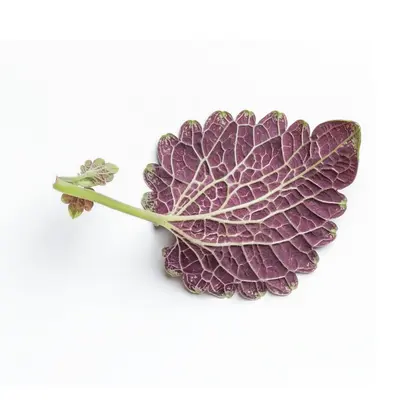
A stunning ornamental tree that provides year-round color with deep reddish-purple foliage that darkens throughout the season. In early spring, delicate pink flowers emerge before the leaves, creating a breathtaking display against bare branches. This hardy tree maintains its rich purple color better than most purple-leafed varieties, making it a landscape favorite.
Sun
Full sun to partial shade
Zones
5–8
USDA hardiness
Height
15-30 feet
Planting Timeline
Showing dates for Thundercloud Purple Leaf Plum in USDA Zone 7
All Zone 7 ornamental-tree →Zone Map
Click a state to update dates
Thundercloud Purple Leaf Plum · Zones 5–8
Growing Details
Complete Growing Guide
The Thundercloud Purple Leaf Plum thrives in full sun (at least six hours daily) and well-draining soil, conditions essential for maintaining its signature deep purple foliage—insufficient light causes the leaves to fade to green. This cultivar leafs out relatively late compared to other ornamental plums, so don't panic if neighboring trees have already leafed while yours remains bare in mid-spring. Plant in early spring or fall to establish strong roots before extreme temperatures arrive. Watch for black knot fungus and shot-hole disease, particularly in humid climates; improve air circulation through selective pruning to minimize these issues. The tree exhibits moderate vigor without the excessive leggy growth common in some ornamental plums, though occasional thinning of crowded branches keeps the form attractive. One practical tip: prune immediately after flowering ends in spring rather than late summer, as this timing prevents stimulating tender new growth vulnerable to frost damage while still controlling size before the growing season peaks.
Light: Full sun (6 or more hours of direct sunlight a day), Partial Shade (Direct sunlight only part of the day, 2-6 hours). Soil: Clay, Loam (Silt), Sand. Soil pH: Acid (<6.0), Neutral (6.0-8.0). Drainage: Good Drainage, Moist. Height: 15 ft. 0 in. - 30 ft. 0 in.. Spread: 15 ft. 0 in. - 25 ft. 0 in.. Spacing: 12-24 feet. Growth rate: Medium. Maintenance: High. Propagation: Grafting, Seed, Stem Cutting. Regions: Coastal, Mountains, Piedmont.
Harvesting
While Thundercloud Purple Leaf Plum is primarily ornamental and not typically harvested for consumption, if small fruits do develop, they reach peak ripeness in mid to late summer when they shift from deep purple to nearly black and yield slightly to gentle finger pressure. The fruits are small, usually under one inch in diameter, and should feel soft rather than firm when ready. Unlike commercial plum varieties, these trees produce fruit sporadically and inconsistently, so harvesting follows an opportunistic rather than scheduled pattern—pick individual fruits as they ripen rather than expecting a concentrated harvest window. Time your check during cooler morning hours when the fruit is firmest, making it easier to assess true ripeness without the softness that afternoon heat creates.
The fruit is a smooth, round, yellow, or red drupe that is up to 1.25-inches in diameter and ripens mid to late summer. Cultivars may be reddish-purple fruits. Fruits are not produced in great quantities.
Color: Gold/Yellow, Purple/Lavender, Red/Burgundy. Type: Drupe. Length: < 1 inch. Width: < 1 inch.
Garden value: Edible
Harvest time: Summer
Edibility: The fruits are edible and are used in tarts or jellies.
Storage & Preservation
Thundercloud flowers are primarily ornamental but can be used fresh in salads or as garnish. Harvest blooms in early morning and use within hours for best quality and flavor. Store temporarily in a shallow dish with cool water in the refrigerator (32-40°F) for up to 2-3 days—keep away from ethylene-producing fruits.
For preservation, crystallized flowers offer the longest shelf life: brush petals with lightly beaten egg white or gum arabic, dip in superfine sugar, and dry on parchment paper in a warm, dry location (65-75°F) for 3-5 days. Store in an airtight container with parchment between layers for up to 3 months.
Alternatively, dry whole flowers by hanging small bunches upside-down in a warm, well-ventilated space away from direct sunlight for 2-3 weeks, then store in airtight containers. Frozen flowers lose texture but retain color; freeze on trays before transferring to freezer bags for herbal tea or infusions, lasting 6-8 months.
History & Origin
The Thundercloud Purple Leaf Plum is a cultivar of Prunus cerasifera, the cherry plum species native to western Asia. While detailed breeding documentation for this specific cultivar remains sparse, Thundercloud emerged from the broader 20th-century ornamental plum breeding efforts that focused on developing purple-leafed variants with improved color retention and hardiness. Like other notable purple plum cultivars such as Krauter Vesuvius and Atropurpurea, Thundercloud likely represents selective breeding for deeper pigmentation and extended seasonal color. The cultivar became established in the American nursery trade through commercial introduction by ornamental tree specialists, though the precise breeder and introduction date are not well documented in readily accessible horticultural records.
Origin: Southeast Europe to Central Asia and the Himalayas
Advantages
- +Maintains deep purple foliage color better than most purple-leafed plum varieties
- +Provides stunning year-round visual interest with spring pink flowers and purple leaves
- +Hardy and easy to grow, requiring minimal specialized care or pruning expertise
- +Early spring flowering creates dramatic landscape contrast against bare branches before leafing
Considerations
- -Susceptible to fire blight, a serious bacterial disease requiring preventative management
- -Attracts aphids and scale insects that can weaken the tree if untreated
- -Vulnerable to canker diseases that can girdle branches and cause dieback
Companion Plants
Lavender, chives, and garlic planted within the drip line do real work. Their volatile compounds — allicin from the alliums, linalool from lavender — interfere with aphid host-finding and deter scale insects from settling. They're also shallow-rooted enough (chives stay under 12 inches) that they don't compete with the plum's root system in any meaningful way. Marigolds (Tagetes patula specifically) add nematode suppression in the soil if you're seeing root stress, and nasturtiums act as a reliable aphid trap crop — colonies tend to show up on the nasturtiums first, which gives you early warning and a concentrated target to pull and discard before the problem moves onto the tree.
Black walnut deserves the most attention on the harmful side. Its roots release juglone, a chemical that causes slow, progressive decline in many Prunus species — the kind of decline that gets misread as a root disease for a season or two before you figure out what's actually happening. Keep at least 50 feet of separation. Fennel is allelopathic mainly to immediate neighbors, so it's less of a threat at tree scale, but there's still no reason to tuck it within 10 feet of the trunk.
Plant Together
Lavender
Repels aphids and other pests that commonly affect plum trees, adds fragrance
Chives
Deters aphids and Japanese beetles, improves soil health around tree base
Marigold
Repels nematodes and aphids, attracts beneficial insects for pest control
Nasturtium
Acts as trap crop for aphids and cucumber beetles, attracts pollinators
Comfrey
Deep roots bring nutrients to surface, leaves make excellent mulch for tree
Daffodils
Bulbs deter rodents and voles from damaging tree roots, early spring color
Garlic
Natural fungicide properties help prevent bacterial and fungal diseases
Hostas
Thrives in partial shade under tree canopy, provides attractive groundcover
Keep Apart
Black Walnut
Produces juglone toxin that inhibits growth and can kill stone fruit trees
Fennel
Allelopathic properties inhibit growth of nearby plants including fruit trees
Eucalyptus
Releases chemicals that suppress growth of other plants, competes for water
Pests & Disease Resistance
Resistance
Moderate resistance to most diseases
Common Pests
Aphids, scale insects, borers
Diseases
Fire blight, leaf spot, canker
Troubleshooting Thundercloud Purple Leaf Plum
What you'll see, why it happens, and what to do about it.
Sticky residue on leaves and stems, often with a black sooty coating developing on upper leaf surfaces
Likely Causes
- Aphid colonies (commonly Myzus persicae or related species) feeding on new growth and excreting honeydew
- Sooty mold (Capnodium spp.) colonizing the honeydew deposits — it's a secondary symptom, not the root problem
What to Do
- 1.Blast colonies off with a firm stream of water from a hose — effective and free
- 2.Apply insecticidal soap (per label, usually 2–3% solution) directly to colonies; repeat every 5–7 days for two to three cycles
- 3.Check for ant trails up the trunk — ants farm aphids actively, so band the trunk with sticky tape or a tanglefoot product to cut off ant access
Blossoms and young shoots wilting rapidly in spring, turning brown and shriveling while still attached — looks like frost damage but wasn't frost
Likely Causes
- Fire blight (Erwinia amylovora) — a bacterial disease that moves fast in warm, wet spring weather above 60°F
- Infected pruning tools or bee activity spreading bacteria bloom-to-bloom
What to Do
- 1.Prune out affected wood at least 8–12 inches below the last visible discoloration; cut into clean, white wood
- 2.Sterilize your pruners between every single cut with 70% isopropyl alcohol or a 10% bleach solution — skipping this just relocates the infection
- 3.Back off high-nitrogen fertilizer in spring; it pushes the soft new growth that fire blight colonizes fastest
Round to irregular brown or purple spots on leaves through summer, sometimes with a yellow halo; heavy leaf drop by August
Likely Causes
- Leaf spot complex — most commonly Cercospora or Blumeriella jaapii (cherry leaf spot) — both thrive in humid conditions
- Poor air circulation from overcrowded planting or nearby dense shrubs
What to Do
- 1.Rake and bag (don't compost) all fallen leaves each season — fungal spores overwinter in that litter and reinfect next spring
- 2.Apply a copper-based fungicide before bud break and again at petal fall; NC State Extension lists copper as a first-line option for Prunus leaf spots
- 3.If the tree sits closer than 20 feet to a structure or other large plants, look hard at whether pruning surrounding vegetation would open up airflow
Sunken, dark, weeping lesions on the bark of limbs or the main trunk; wood underneath appears dead and discolored when you cut into it
Likely Causes
- Cytospora canker (Leucostoma spp.) — typically enters through pruning wounds, freeze cracks, or borer damage
- Flatheaded apple tree borer (Chrysobothris femorata) or peach twig borer (Anarsia lineatella) creating entry points for fungal infection
What to Do
- 1.Remove cankered limbs 4–6 inches below the sunken tissue, sterilizing the blade between cuts
- 2.Probe the same limb for D-shaped borer exit holes — if you find them, the canker will keep returning until the insect pressure is addressed separately
- 3.Do your pruning during a dry spell in late February; wounds callus faster going into spring than they do after the humidity climbs in March and April here in zone 7 Georgia
Frequently Asked Questions
How tall does a Thundercloud Purple Leaf Plum grow?▼
Is Thundercloud Purple Leaf Plum good for small yards?▼
When should I plant a Thundercloud Purple Leaf Plum?▼
How much sun does Thundercloud Purple Leaf Plum need?▼
What diseases affect Thundercloud Purple Leaf Plum?▼
Can you grow Thundercloud Purple Leaf Plum in containers?▼
Zone-by-Zone Planting Calendar
Growing Guides from Wind River Greens
Sources & References
External authority sources used in compiling this guide.
- ExtensionNC State Extension
See the Methodology page for how this data is sourced, what's AI-assisted, and known limitations.