Whorled Milkweed
Asclepias verticillata
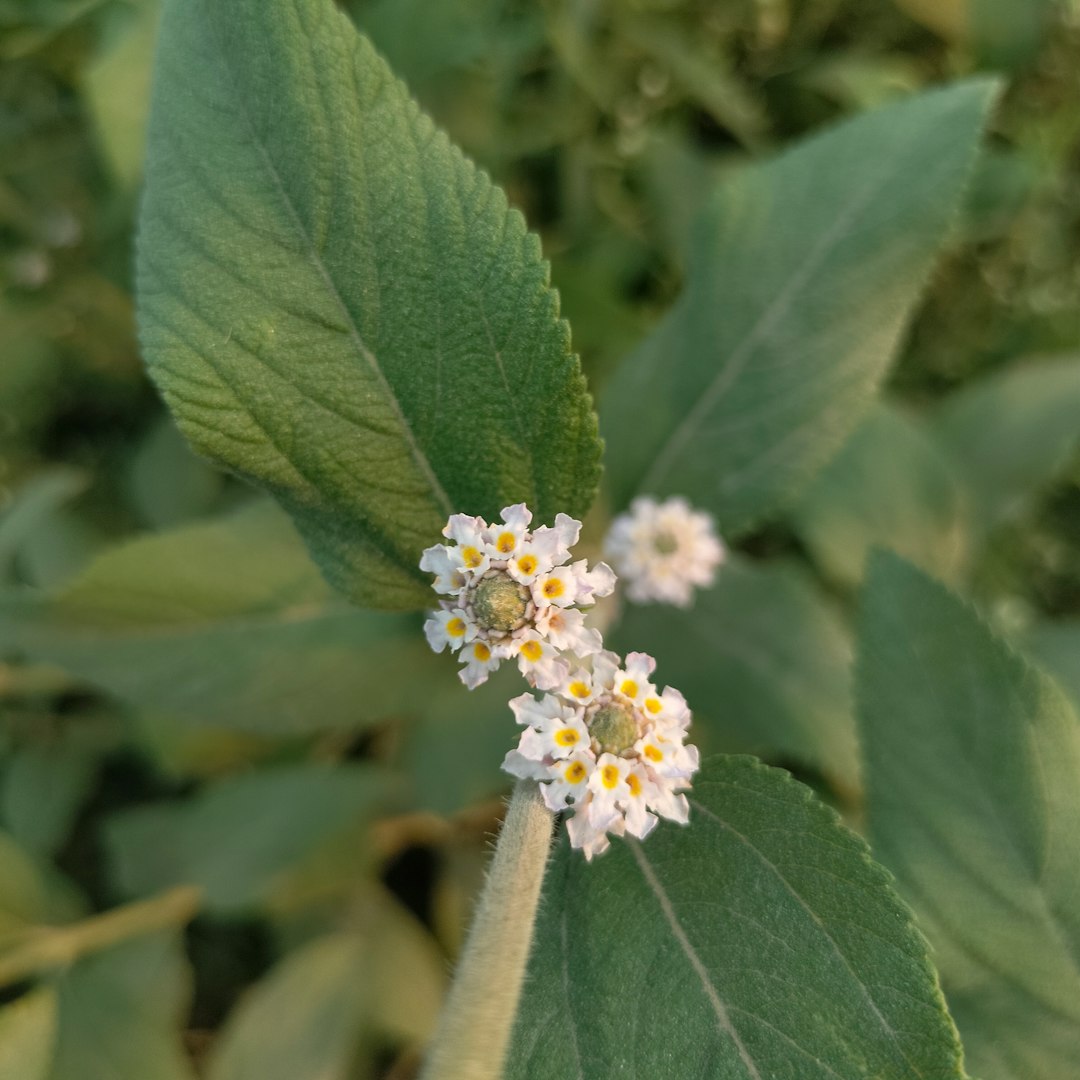
Whorled Milkweed (Asclepias verticillata) is a perennial native wildflower. Hardy in USDA zones 4 to 9. Prefers full sun.
Sun
Full sun to partial shade
Zones
4–9
USDA hardiness
Height
12-30 inches
Planting Timeline
Showing dates for Whorled Milkweed in USDA Zone 7
All Zone 7 native-wildflower →Zone Map
Click a state to update dates
Whorled Milkweed · Zones 4–9
Growing Details
Complete Growing Guide
Light: Full sun (6 or more hours of direct sunlight a day), Partial Shade (Direct sunlight only part of the day, 2-6 hours). Soil: Clay, Loam (Silt), Sand, Shallow Rocky. Drainage: Good Drainage, Moist, Occasionally Dry. Height: 1 ft. 0 in. - 2 ft. 6 in.. Spread: 1 ft. 0 in. - 2 ft. 0 in.. Growth rate: Medium. Maintenance: Medium. Regions: Coastal, Mountains, Piedmont.
Harvesting
3-4 inches long and .5 inch wide smooth, narrow seed pods split open when mature releasing numerous seeds with long tufts of white hair that are dispersed by the wind from September to October
Type: Follicle. Length: 1-3 inches. Width: < 1 inch.
Garden value: Good Dried, Showy
Harvest time: Fall
Storage & Preservation
Whorled Milkweed is primarily grown as a native ornamental and wildflower for pollinator gardens rather than for consumption or harvest. For seed collection and storage, keep dried seedpods in a cool, dry location (50-70°F, 20-30% humidity) in paper envelopes or breathable containers. Seeds can remain viable for 1-2 years when stored this way. To preserve specimens, air-dry seedpods in bundles hung in a well-ventilated space away from direct sunlight for 2-3 weeks until fully brown and papery. Press flowers between absorbent paper for herbarium preservation, or freeze-dry flowers for crafts and arrangements.
History & Origin
Origin: USA, Canada
Advantages
- +Attracts: Bees, Butterflies, Pollinators, Songbirds
Considerations
- -Toxic (Flowers, Fruits, Leaves, Sap/Juice, Stems): Low severity
- -Causes contact dermatitis
Companion Plants
Purple Coneflower (Echinacea purpurea), Black-eyed Susan, and Goldenrod bloom in overlapping windows with whorled milkweed and draw in the same suite of native bees and parasitic wasps — particularly Lysiphlebus testaceipes — that keep oleander aphid numbers from spiraling. Wild Bergamot and New England Aster extend that bloom sequence into October so beneficial insects don't abandon the planting mid-season. Crown Vetch is the one to pull out before it gets started: it spreads by both rhizome and seed, physically outpacing whorled milkweed's slow first-year growth, and Kentucky Bluegrass forms a dense sod mat that cuts off the crown before the taproot can anchor the plant.
Plant Together
Purple Coneflower
Attracts beneficial insects and pollinators, extends bloom season for monarch butterflies
Wild Bergamot
Attracts native bees and butterflies, complementary blooming periods
Little Bluestem
Provides structural support and habitat diversity without competing for nutrients
Black-eyed Susan
Attracts predatory insects that control milkweed pests, similar growing conditions
Wild Lupine
Fixes nitrogen in soil, benefits milkweed growth without direct competition
Butterfly Weed
Another milkweed species that supports monarch reproduction and migration
New England Aster
Provides late-season nectar for monarchs during fall migration
Goldenrod
Attracts beneficial predatory insects and provides late-season monarch nectar
Keep Apart
Crown Vetch
Aggressive spreader that can outcompete and smother native milkweed plants
Kentucky Bluegrass
Dense root system competes heavily for water and nutrients
Tree of Heaven
Releases allelopathic chemicals that inhibit milkweed germination and growth
Troubleshooting Whorled Milkweed
What you'll see, why it happens, and what to do about it.
Stems and leaves coated in a waxy, cottony white residue, usually on new growth
Likely Causes
- Oleander aphid (Aphis nerii) — a bright orange-yellow aphid that colonizes milkweeds almost exclusively
- Dense plantings that limit natural predator access
What to Do
- 1.Knock aphids off with a strong stream of water from a hose — repeat every 2-3 days until populations drop
- 2.Avoid spraying anything, including insecticidal soap; it kills the parasitic wasps (Lysiphlebus testaceipes) that naturally crash aphid populations within 2-3 weeks
- 3.If the plant is small and heavily colonized, pinch off the worst stems and dispose of them in the trash
Leaves with irregular orange or rust-colored pustules on the undersides, often with yellow blotching on top
Likely Causes
- Milkweed rust (Puccinia bartholomaei) — a fungal pathogen specific to Asclepias species
- Prolonged wet weather combined with poor air circulation
What to Do
- 1.Cut affected stems back to the ground — whorled milkweed regrows readily from its root system
- 2.Space plants at least 18 inches apart to slow spread and improve airflow
- 3.Bag and trash infected plant material; don't compost it
Seed direct-sown in spring germinates at less than 20%, or not at all
Likely Causes
- Skipped cold stratification — Asclepias verticillata seed needs 30 days of moist cold (34-40°F) to break dormancy reliably
- Seed buried too deep; small seeds covered more than 1/4 inch often rot before sprouting
What to Do
- 1.Cold-stratify seed in a damp paper towel inside a sealed bag in the refrigerator for 30 days before sowing
- 2.Surface-sow or press seed just barely under the soil — no deeper than 1/8 to 1/4 inch
- 3.Direct sow in fall instead and let winter handle stratification naturally; germination the following spring is usually much stronger
Established plant declines or disappears after the first winter despite surviving dormancy
Likely Causes
- Root disturbance — whorled milkweed develops a deep taproot and resents cultivation within 12 inches of the crown
- Sod-forming grass competition, particularly from Kentucky Bluegrass or tall fescue smothering the crown before it can push through
What to Do
- 1.Stop cultivating within 12 inches of the crown once the plant is established — surface mulch is fine, digging is not
- 2.Clear a 12-18 inch radius of any sod-forming grass around each plant and keep it clear for the first two growing seasons
- 3.Flag the location in fall — whorled milkweed is one of the last perennials to emerge in spring, often not showing until soil temps reach 60°F, making it easy to assume it's dead and accidentally dig it up
Frequently Asked Questions
Is whorled milkweed a good plant for native wildflower gardens?▼
How long does whorled milkweed take to grow from seed?▼
Can you grow whorled milkweed in containers?▼
What spacing should I use when planting whorled milkweed?▼
When should I sow whorled milkweed seeds?▼
What are the soil requirements for whorled milkweed?▼
Zone-by-Zone Planting Calendar
Growing Guides from Wind River Greens
Sources & References
External authority sources used in compiling this guide.
- ExtensionNC State Extension
See the Methodology page for how this data is sourced, what's AI-assisted, and known limitations.