Avignon Lavender II
Antirrhinum majus
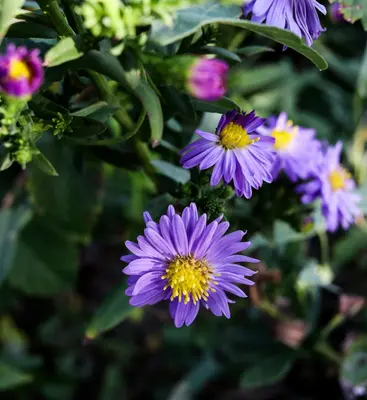
Exceptionally robust stems, high yields, and uniform growth in the field or greenhouse when grown under short days and low temperatures. Group 2 snapdragon. Edible Flowers: The flowers are a colorful garnish for use in salads, desserts, and drinks. The flavor is floral and slightly bitter, so use sparingly.
Harvest
100-110d
Days to harvest
Sun
Full sun to partial shade
Zones
7–10
USDA hardiness
Height
0-3 feet
Planting Timeline
Showing dates for Avignon Lavender II in USDA Zone 7
All Zone 7 flower →Zone Map
Click a state to update dates
Avignon Lavender II · Zones 7–10
Growing Details
Complete Growing Guide
Exceptionally robust stems, high yields, and uniform growth in the field or greenhouse when grown under short days and low temperatures. Group 2 snapdragon. Edible Flowers: The flowers are a colorful garnish for use in salads, desserts, and drinks. The flavor is floral and slightly bitter, so use sparingly. According to Johnny's Selected Seeds, Avignon Lavender II is 100 - 110 days to maturity, annual, hybrid (f1). Notable features: Use for Cut Flowers and Bouquets, Greenhouse Performer, Fragrant.
Light: Full sun (6 or more hours of direct sunlight a day), Partial Shade (Direct sunlight only part of the day, 2-6 hours). Soil: High Organic Matter. Drainage: Good Drainage. Height: 0 ft. 6 in. - 3 ft. 0 in.. Spread: 0 ft. 6 in. - 0 ft. 10 in.. Spacing: Less than 12 inches. Growth rate: Medium. Maintenance: Medium.
Harvesting
Avignon Lavender II reaches harvest at 100 - 110 days from sowing per Johnny's Selected Seeds. As an annual, harvest continues until frost ends the season.
A capsule, half hidden by calyx lobes, short-beaked.
Type: Capsule. Length: 1-3 inches.
Storage & Preservation
Fresh-cut Avignon Lavender II stems last 10-14 days in a vase with clean water and floral preservative, stored in a cool location away from ripening fruit and direct heat. For longer storage, keep cut stems in a refrigerator at 35-40°F with minimal ethylene exposure. Edible flowers should be used fresh within 2-3 days of harvest for best texture and flavor. Dry flowers by hanging stems upside-down in a dark, well-ventilated space for 2-3 weeks—dried flowers retain color and fragrance excellently and last indefinitely in sealed containers. Alternatively, preserve individual florets in a thin sugar syrup (2:1 sugar to water) and store in the refrigerator for 3-4 weeks as an elegant cake garnish. Freezing is not recommended as flowers lose crispness upon thawing.
History & Origin
Avignon Lavender II is an F1 hybrid developed through controlled cross-pollination. Listed in the Johnny's Selected Seeds catalog.
Origin: Southwestern Europe
Advantages
- +Exceptionally robust stems reduce need for staking or support structures
- +High yields make it commercially viable for cut flower operations
- +Uniform growth pattern simplifies harvesting and post-harvest processing
- +Performs best under short days and cool temperatures efficiently
- +Edible flowers provide dual-purpose market appeal beyond traditional floristry
Considerations
- -100-110 day maturity requires extended growing season planning
- -Requires specific cool temperature conditions; unsuitable for warm climates
- -Slightly bitter flavor limits culinary applications despite edible flower potential
Companion Plants
Rosemary, thyme, sage, and oregano are good neighbors for Avignon Lavender II for a straightforward reason: they share the same preferences. All of them want full sun, handle dryness between waterings, and don't compete aggressively for root space at the 12–18 inch spacing snapdragons need. The aromatic oils from those herbs do seem to reduce aphid pressure — though treat that as a bonus, not a strategy. Marigolds (Tagetes patula specifically) add another layer of pest discouragement and the yellow-orange contrast against lavender-toned spikes is worth something if you're cutting for market or arrangements.
Mint is the one to keep at least a few feet away — it spreads via underground runners and will muscle out whatever's nearby within a season. Impatiens and hostas are a mismatch for a different reason: both need shade and reliably moist soil, and those conditions push snapdragons toward weak, leggy stems and sparse flowering. They belong on opposite ends of the bed.
Plant Together
Rosemary
Similar growing conditions, repels pests, and creates aromatic Mediterranean garden theme
Thyme
Compatible water and soil needs, attracts beneficial pollinators
Sage
Drought-tolerant companion with similar sun requirements, deters cabbage moths
Marigold
Repels nematodes and aphids while adding complementary color contrast
Catmint
Similar growing conditions, repels mosquitoes and ants, attracts beneficial insects
Oregano
Compatible Mediterranean herb with pest-repelling properties
Salvia
Similar drought tolerance and sun exposure needs, attracts pollinators
Sedum
Low-water companion that won't compete for nutrients, adds textural interest
Keep Apart
Mint
Aggressive spreader that can overtake lavender and requires more water
Impatiens
Requires frequent watering and shade, incompatible with lavender's dry conditions
Hosta
Prefers moist, shaded conditions opposite to lavender's sun and drought requirements
Pests & Disease Resistance
Common Pests
Spider mites
Troubleshooting Avignon Lavender II
What you'll see, why it happens, and what to do about it.
Fine webbing on undersides of leaves, with stippled or silvery upper leaf surface — often shows up during hot, dry stretches
Likely Causes
- Two-spotted spider mite (Tetranychus urticae) — populations explode when temps push above 85°F and humidity drops
- Dusty or water-stressed plants, which mites prefer
What to Do
- 1.Blast the undersides of leaves with a firm stream of water every few days — it knocks mite populations back significantly
- 2.Apply insecticidal soap or neem oil in the evening, coating the undersides thoroughly; repeat every 5–7 days for 2–3 cycles
- 3.Keep plants consistently watered — drought stress makes the problem worse fast
Stems collapsing at soil level on young seedlings, plants toppling over within the first 2–3 weeks after germination
Likely Causes
- Damping off — usually Pythium or Rhizoctonia spp. — caused by overwatering or poor drainage in seed trays
- Starting seeds in non-sterile mix that carries soil-borne pathogens
What to Do
- 1.Use a sterile, well-draining seed-starting mix and never let trays sit in standing water
- 2.Water from below when possible, and run a small fan to improve airflow around seedlings
- 3.If damping off appears, pull the affected seedlings immediately and drench the remaining cells with a diluted hydrogen peroxide solution (1 part 3% H₂O₂ to 4 parts water)
Flower buds forming but failing to open fully, or blooms dropping after just a few days on the plant
Likely Causes
- Heat stress — Antirrhinum majus blooms best below 80°F; sustained highs above that threshold shorten flower life considerably
- Spent blooms left on the plant, signaling it to shift energy toward seed production
What to Do
- 1.Deadhead spent spikes by cutting back to the next lateral shoot — this extends the bloom window more than anything else you can do
- 2.Time planting so the main bloom period lands in spring (April–May) before summer heat arrives; in zones 9–10, a fall planting often outperforms a spring one
- 3.Provide afternoon shade if temperatures regularly exceed 85°F — even 2–3 hours of relief makes a difference
Frequently Asked Questions
How long does Avignon Lavender II take to grow from seed to harvest?▼
Is Avignon Lavender II good for beginners?▼
Can you grow Avignon Lavender II in containers?▼
What does Avignon Lavender II taste like as an edible flower?▼
When should I plant Avignon Lavender II for the best harvest?▼
How do I maximize yields of Avignon Lavender II?▼
Zone-by-Zone Planting Calendar
| Zone | Indoor Start | Transplant | Direct Sow | Harvest |
|---|---|---|---|---|
| Zone 1 | May – June | July – August | July – September | — |
| Zone 2 | April – May | June – July | June – August | — |
| Zone 11 | January – January | January – February | January – March | — |
| Zone 12 | January – January | January – February | January – March | — |
| Zone 13 | January – January | January – February | January – March | — |
| Zone 3 | April – May | June – July | June – August | — |
| Zone 4 | March – April | June – June | June – July | — |
| Zone 5 | March – April | May – June | May – July | — |
| Zone 6 | March – April | May – June | May – July | — |
| Zone 7 | February – March | April – May | April – June | — |
| Zone 8 | February – March | April – May | April – June | — |
| Zone 9 | January – February | March – April | March – May | — |
| Zone 10 | January – January | February – March | February – April | — |
Growing Guides from Wind River Greens
Sources & References
External authority sources used in compiling this guide.
- BreederJohnny's Selected Seeds
See the Methodology page for how this data is sourced, what's AI-assisted, and known limitations.