Fringed Bleeding Heart
Dicentra eximia
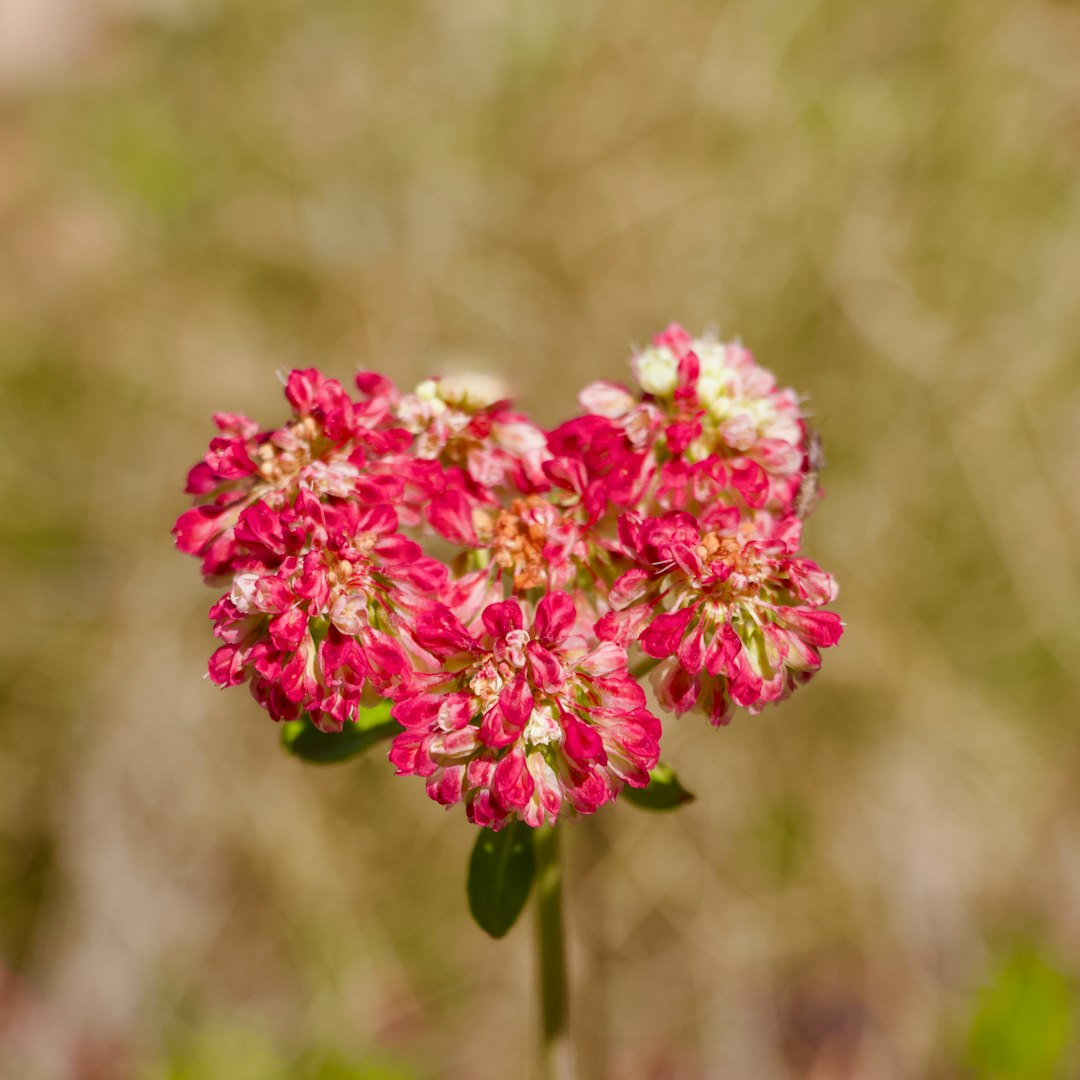
Fringed Bleeding Heart (Dicentra eximia) is a perennial native wildflower. Hardy in USDA zones 3 to 9. Prefers part sun.
Sun
Partial shade
Zones
3–9
USDA hardiness
Height
6-18 inches
Planting Timeline
Showing dates for Fringed Bleeding Heart in USDA Zone 7
All Zone 7 native-wildflower →Zone Map
Click a state to update dates
Fringed Bleeding Heart · Zones 3–9
Growing Details
Complete Growing Guide
Light: Dappled Sunlight (Shade through upper canopy all day), Partial Shade (Direct sunlight only part of the day, 2-6 hours). Soil: High Organic Matter. Soil pH: Acid (<6.0), Neutral (6.0-8.0). Drainage: Good Drainage, Moist. Height: 0 ft. 6 in. - 1 ft. 6 in.. Spread: 1 ft. 6 in. - 2 ft. 0 in.. Spacing: 12 inches-3 feet. Growth rate: Medium. Maintenance: Low. Propagation: Division, Seed. Regions: Mountains, Piedmont.
Harvesting
The fruit a many-seeded capsule. Fruit becomes available July-August
Color: Black, Green. Type: Capsule.
Harvest time: Summer
Storage & Preservation
Fringed Bleeding Heart is a perennial ornamental wildflower and not typically harvested for storage or consumption. However, cut flowers can be displayed in a vase with fresh water at room temperature (65-72°F) in moderate humidity, lasting 5-7 days. For dried flower preservation, cut stems when flowers are fully open, hang upside down in a well-ventilated, shaded area for 2-3 weeks until completely dry, then store in airtight containers away from light and moisture. Alternatively, press individual flowers between parchment paper under weight for 2-4 weeks for botanical arrangements. Seeds can be collected and stored in cool, dry conditions (50°F, low humidity) for future propagation.
History & Origin
Origin: PA & WV, s. to NC & TN in mountains
Advantages
- +Attracts: Bees, Butterflies, Hummingbirds, Pollinators, Songbirds
- +Low maintenance
Considerations
- -Toxic (Flowers, Fruits, Leaves, Seeds, Stems): Low severity
- -Causes contact dermatitis
Companion Plants
The native woodland companions in our database — Wild Ginger, Trillium, Jacob's Ladder, and Wild Columbine — work well with Dicentra eximia because they share the same ecological niche: dappled shade, consistently moist acidic soil, and a preference for being left alone once established. Wild Ginger (Asarum canadense) is especially useful here because its low, dense mat covers bare soil around the Dicentra's crown, suppressing weeds and holding moisture without competing for the same vertical space. Coral Bells and Astilbe fill the mid-layer and, more practically, cover the gap when the Dicentra goes dormant in summer heat. Ferns do the same thing and handle afternoon shade even better than most of the others.
Black Walnut is the one companion to take seriously as a threat. Juglans nigra roots and leaf litter produce juglone, a chemical that's directly toxic to Dicentra eximia — and the root system on a mature black walnut can push 50 feet or more past the trunk. In our zone 7 Georgia gardens, black walnuts show up constantly at the edge of wooded lots, and people routinely underestimate how far that root zone reaches. Mint belongs on the avoid list for a different reason: it's an aggressive spreader that will colonize the moist, shaded conditions Dicentra needs and physically crowd it out within a season or two, no chemical involved. Crown Imperial (Fritillaria imperialis) reportedly produces root exudates that Dicentra finds allelopathic, though that one is less documented than the juglone problem — keep them apart as a precaution anyway.
Plant Together
Wild Ginger
Shares similar shade and moisture requirements, creates complementary groundcover
Trillium
Both prefer rich, moist woodland conditions and bloom in early spring
Coral Bells
Compatible shade perennial that provides contrasting foliage texture and color
Astilbe
Thrives in similar moist, shaded conditions and extends bloom season
Hosta
Complementary shade plant that provides bold foliage contrast after bleeding heart goes dormant
Ferns
Fill space after bleeding heart dies back, share preference for moist shade
Wild Columbine
Native woodland plant with similar cultural requirements and spring bloom time
Jacob's Ladder
Compatible moisture and light needs, provides blue flowers to complement pink blooms
Keep Apart
Black Walnut
Produces juglone which is toxic to bleeding heart and most understory plants
Crown Imperial
Aggressive bulb that can outcompete delicate bleeding heart roots
Mint
Invasive spreading habit can overwhelm and crowd out bleeding heart plants
Troubleshooting Fringed Bleeding Heart
What you'll see, why it happens, and what to do about it.
Foliage wilting and collapsing at the crown, often with a soft, rotted base at soil level
Likely Causes
- Crown rot (Phytophthora or Fusarium spp.) from poorly drained soil or overwatering
- Planting too deep — crowns buried more than 1 inch below the surface are especially vulnerable
What to Do
- 1.Dig the plant and inspect the crown; cut away any blackened tissue with a clean knife, dust with powdered sulfur, and replant at the correct depth
- 2.Amend the bed with coarse grit or perlite to improve drainage before replanting
- 3.Don't water again until the top inch of soil is dry — this plant wants consistent moisture, not standing water
Entire plant goes dormant and disappears by mid-July, well before frost
Likely Causes
- Summer heat dormancy — Dicentra eximia will die back when daytime temperatures consistently exceed 85–90°F
- Drought stress accelerating dormancy earlier than normal
What to Do
- 1.This is normal behavior; mark the spot clearly so you don't accidentally dig the crown during fall cleanup
- 2.Apply 2–3 inches of shredded leaf mulch over the crown to keep the soil cooler and retain moisture through summer
- 3.Plant Hosta or Astilbe nearby to fill the gap — their foliage will expand right as the Dicentra fades
Pale, washed-out leaf color with stunted new growth in spring
Likely Causes
- Too much direct sun — more than 6 hours of afternoon sun bleaches the foliage and stresses the plant
- Soil pH too high (above 7.5), limiting iron and manganese uptake
What to Do
- 1.Relocate to a spot with morning sun only and full afternoon shade, especially in zone 7 where summer afternoons are brutal
- 2.Test soil pH with a home kit; if above 7.0, work in elemental sulfur at the rate on the package to bring it toward 6.0–6.5
- 3.Top-dress with an inch of finished compost in early spring to improve nutrient availability
Ragged holes in leaves and/or seedlings cut off at the base overnight
Likely Causes
- Slug damage — slugs are the primary pest of Dicentra eximia, drawn to its moist, shaded habitat
- Snail feeding, which looks nearly identical to slug damage
What to Do
- 1.Set out iron phosphate bait (Sluggo) around the base of the plants at first sign; it's safe around pets and wildlife
- 2.Remove any boards, pots, or debris near the bed where slugs shelter during the day
- 3.Scatter a 2-inch ring of coarse diatomaceous earth around the crown, and reapply after rain
Frequently Asked Questions
How long does Fringed Bleeding Heart take to bloom from seed?▼
Is Fringed Bleeding Heart a good choice for beginner gardeners?▼
Can you grow Fringed Bleeding Heart in containers?▼
When should I plant Fringed Bleeding Heart?▼
What's the difference between Fringed Bleeding Heart and Old-Fashioned Bleeding Heart?▼
Does Fringed Bleeding Heart need special soil preparation?▼
Zone-by-Zone Planting Calendar
Growing Guides from Wind River Greens
Sources & References
External authority sources used in compiling this guide.
- ExtensionNC State Extension
See the Methodology page for how this data is sourced, what's AI-assisted, and known limitations.