Prairie Trillium
Trillium recurvatum
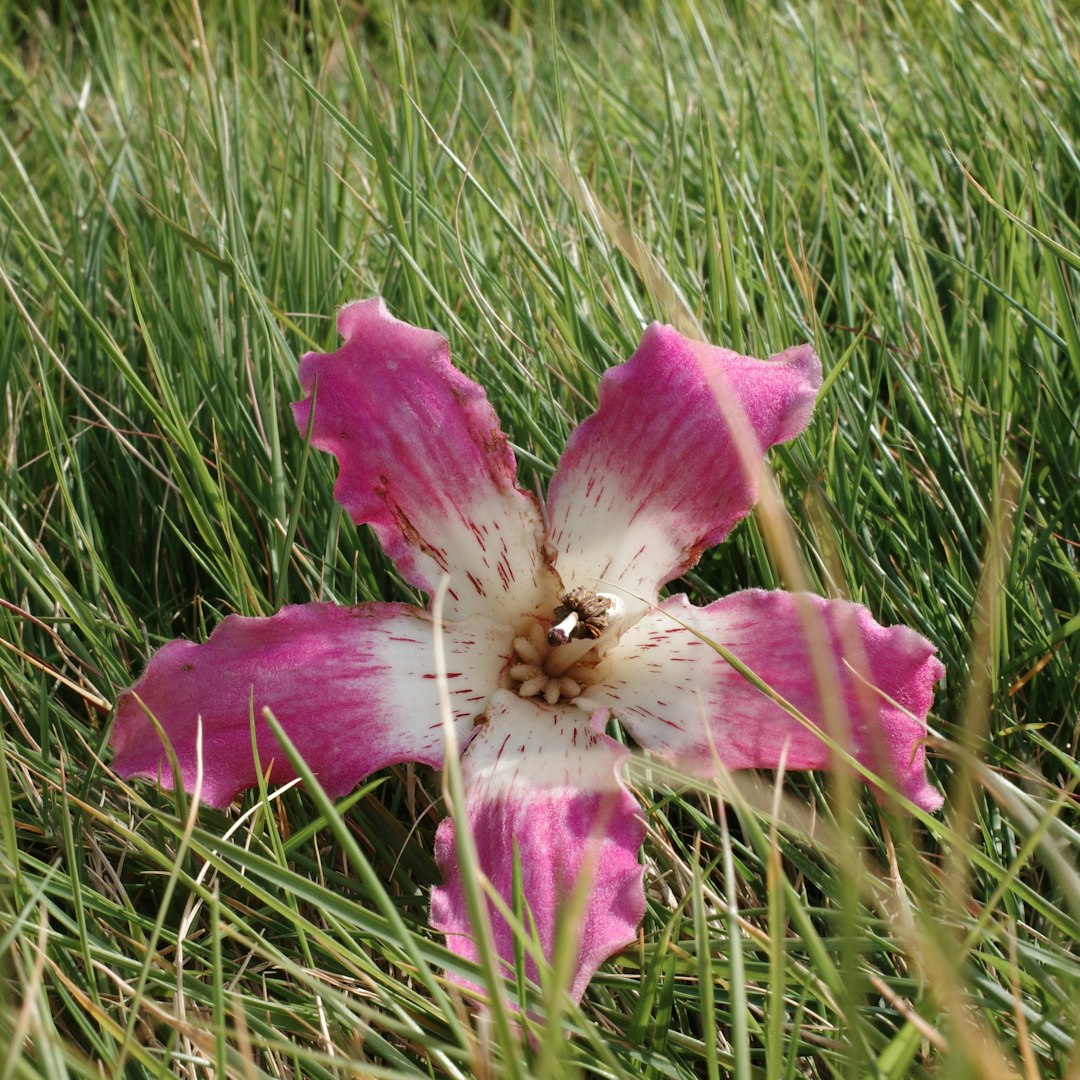
Prairie Trillium (Trillium recurvatum) is a perennial native wildflower. Hardy in USDA zones 4 to 9.
Sun
Partial shade
Zones
4–9
USDA hardiness
Height
6-18 inches
Planting Timeline
Showing dates for Prairie Trillium in USDA Zone 7
All Zone 7 native-wildflower →Zone Map
Click a state to update dates
Prairie Trillium · Zones 4–9
Growing Details
Complete Growing Guide
Light: Dappled Sunlight (Shade through upper canopy all day), Deep shade (Less than 2 hours to no direct sunlight), Partial Shade (Direct sunlight only part of the day, 2-6 hours). Soil: Clay, High Organic Matter, Loam (Silt). Soil pH: Neutral (6.0-8.0). Drainage: Good Drainage, Moist, Occasionally Dry. Height: 0 ft. 6 in. - 1 ft. 6 in.. Spread: 0 ft. 9 in. - 1 ft. 0 in.. Spacing: Less than 12 inches. Growth rate: Slow. Maintenance: Medium. Propagation: Division, Seed. Regions: Mountains, Piedmont.
Harvesting
The 6-parted berry-like capsule is pale to purplish-green and is available from July to August. Seeds are dispersed by ants.
Color: Green, Purple/Lavender. Type: Berry, Capsule. Length: < 1 inch. Width: < 1 inch.
Harvest time: Summer
Storage & Preservation
Prairie Trillium is a non-edible ornamental wildflower; storage and preservation are not applicable to the plant itself. However, if you wish to preserve cut flowers for display, condition fresh-cut stems in cool water for several hours before arranging. Blooms last 7-10 days in a vase kept in cool conditions (60-65°F) away from direct sun and ripening fruit. For seed preservation, allow seed pods to mature fully on the plant (turning from green to tan, typically June-July), then collect dry seed and store in a cool, dry location in sealed containers for planting the following fall or after stratification.
History & Origin
Origin: Central and eastern U.S.A.
Advantages
- +Attracts: Bees, Moths, Pollinators, Small Mammals
Companion Plants
The best companions for Prairie Trillium are the other spring ephemerals and woodland understory plants it grows alongside naturally. Wild Ginger (Asarum canadense) earns its spot on practical grounds: it spreads slowly to cover bare ground once Trillium goes dormant in June, without competing during the 10-12 weeks the Trillium is actually photosynthesizing. Bloodroot (Sanguinaria canadensis) and Hepatica finish their bloom cycle at nearly the same time, so they share the same light window under a deciduous canopy without one shading the other out. Solomon's Seal and Christmas Fern (Polystichum acrostichoides) are taller but deep-rooted enough that they don't rob the shallow soil layer — roughly the top 4-6 inches — where Trillium rhizomes sit.
The harmful companions are mostly invasive species that shouldn't be in a native planting regardless of what else you're growing. Garlic Mustard (Alliaria petiolata) is the most damaging: it releases allelopathic compounds that suppress mycorrhizal fungi in the soil, and Trillium depends on those fungal associations to establish and persist. Norway Maple is a different problem — it leafs out earlier than most native canopy trees, casting dense shade during the exact weeks Trillium needs light, and its dense surface roots pull moisture from the top foot of soil during the spring ephemeral's active window. Crown Vetch spreads fast enough on its own to physically smother a young colony, and Autumn Olive's aggressive nitrogen-fixing shifts soil chemistry toward fertility levels Trillium doesn't want — it's a woodland plant adapted to lean, low-nutrient conditions.
Plant Together
Wild Ginger
Shares similar shade and moisture requirements, provides groundcover without competing
Bloodroot
Compatible spring ephemeral with similar soil and light needs
Mayapple
Creates beneficial woodland understory conditions and shares habitat preferences
Jack-in-the-Pulpit
Thrives in same moist, shaded woodland conditions without root competition
Wild Columbine
Compatible woodland native that attracts beneficial pollinators
Solomon's Seal
Provides complementary height and texture in shade garden settings
Ferns (Christmas, Maidenhair)
Create ideal microclimate conditions and don't compete for nutrients
Hepatica
Similar spring blooming schedule and woodland habitat requirements
Keep Apart
Garlic Mustard
Invasive species that outcompetes native wildflowers and alters soil chemistry
Norway Maple
Creates dense shade canopy and shallow roots that deprive understory plants of resources
Crown Vetch
Aggressive spreading habit smothers native wildflowers
Autumn Olive
Invasive shrub that creates dense thickets and changes soil nitrogen levels
Troubleshooting Prairie Trillium
What you'll see, why it happens, and what to do about it.
Leaves emerge in spring but plant vanishes entirely by mid-summer, year after year
Likely Causes
- Normal summer dormancy — Prairie Trillium is a spring ephemeral that dies back after seed set, typically by June or July
- Gardener assuming the plant died and accidentally digging the rhizome
What to Do
- 1.Mark the planting location with a durable stake or engraved label before the foliage disappears so you don't disturb the rhizome during fall cleanup
- 2.Fill the gap with slow-spreading Wild Ginger (Asarum canadense) — it covers the bare ground through summer without crowding Trillium when it re-emerges next April
- 3.Don't irrigate heavily once leaves yellow; the rhizome is dormant and sitting in wet soil at that point invites rot
Mottled yellow-and-green streaking across leaves, sometimes with distorted or stunted new growth
Likely Causes
- Cucumber mosaic virus (CMV) spread by aphid feeding — check the undersides of leaves early in the season when plants are under 6 inches tall
- Trillium mosaic virus, a separate pathogen with nearly identical symptoms
What to Do
- 1.Remove and bag any heavily mottled plants to reduce viral spread to neighboring Trilliums — there's no cure once a plant is infected
- 2.Knock aphid colonies off with a firm stream of water and repeat every 3-4 days until the colony collapses
- 3.Avoid planting near cucumbers, squash, or other CMV hosts that give aphids a place to build numbers before moving to your woodland bed
No new plants after 2-3 years despite visible seed set — colony isn't spreading
Likely Causes
- Trillium seeds require a two-phase dormancy (warm then cold stratification) spanning 18-24 months from seed drop to first leaf — the timeline surprises most gardeners
- Myrmecochory (ant dispersal) absent — the seed's elaiosome attracts ants that carry and bury it; in gardens with low ant activity, seeds just sit on the surface
What to Do
- 1.Collect ripe seed in June-July when the berry softens, remove the pulp, and cold-stratify in damp sand in the fridge for 60-90 days before sowing in a nursery flat — expect the first tiny leaf the spring after that, and no flower for 5-7 years
- 2.Leave the leaf litter around established plants undisturbed; that's where ant colonies forage and where dropped seeds have the best shot at burial
- 3.If you want faster spread, divide established clumps in early fall by carefully separating rhizome offsets with a clean knife — each offset with at least one growing point will flower within a year or two
Frequently Asked Questions
How long does it take Prairie Trillium to bloom from seed?▼
Can you grow Prairie Trillium in containers?▼
Is Prairie Trillium good for beginner wildflower gardeners?▼
When should I plant Prairie Trillium rhizomes?▼
Does Prairie Trillium need full shade or can it tolerate some sun?▼
Should I collect seeds from my Prairie Trillium plants?▼
Zone-by-Zone Planting Calendar
Growing Guides from Wind River Greens
Sources & References
External authority sources used in compiling this guide.
- ExtensionNC State Extension
See the Methodology page for how this data is sourced, what's AI-assisted, and known limitations.