Asia Ip
Perilla frutescens
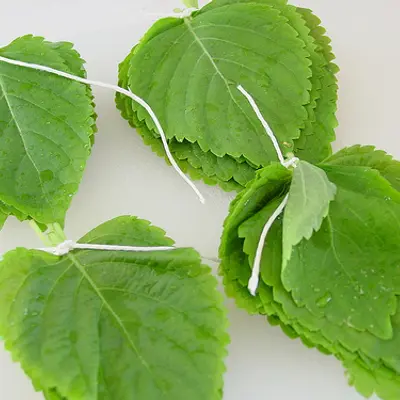
Leaves are similar to Britton type in shape and size, but are medium green with pink tinge on undersides. Stronger flavor than standard green shiso with uniform, full habit. Edible Flowers: The flowers are a flavorful addition to salads and Asian dishes. Pairs well with fish, rice, noodles, and cucumbers. The minty, basil-like flavor has hints of clove and cumin.
Harvest
80-85d
Days to harvest
Sun
Full sun to partial shade
Zones
10–11
USDA hardiness
Height
1-3 feet
Planting Timeline
Showing dates for Asia Ip in USDA Zone 7
All Zone 7 herb →Zone Map
Click a state to update dates
Asia Ip · Zones 10–11
Growing Details
Complete Growing Guide
Leaves are similar to Britton type in shape and size, but are medium green with pink tinge on undersides. Stronger flavor than standard green shiso with uniform, full habit. Edible Flowers: The flowers are a flavorful addition to salads and Asian dishes. Pairs well with fish, rice, noodles, and cucumbers. The minty, basil-like flavor has hints of clove and cumin. According to Johnny's Selected Seeds, Asia Ip is 80 - 85 days to maturity, annual, open pollinated. Notable features: Use for Cut Flowers and Bouquets, Edible Flowers.
Light: Full sun (6 or more hours of direct sunlight a day), Partial Shade (Direct sunlight only part of the day, 2-6 hours). Soil: High Organic Matter. Drainage: Good Drainage, Occasionally Wet. Height: 1 ft. 0 in. - 3 ft. 0 in.. Spread: 0 ft. 3 in. - 1 ft. 6 in.. Spacing: Less than 12 inches. Growth rate: Rapid. Maintenance: High. Propagation: Seed. Regions: Coastal, Mountains, Piedmont.
Harvesting
Asia Ip reaches harvest at 80 - 85 days from sowing per Johnny's Selected Seeds. As an annual, harvest continues until frost ends the season.
.06 inch reticulate nutlet gray-brown
Color: Brown/Copper, Gray/Silver. Length: < 1 inch. Width: < 1 inch.
Edibility: Leaves as a salad herb, flavoring
Storage & Preservation
# Storage and Preservation
Fresh Asia Ip leaves are best stored at 35–40°F with 85–95% humidity in a sealed plastic bag or container lined with damp paper towels; they'll keep for 3–5 days before wilting and losing aroma. For longer preservation, freezing works well—blanch leaves briefly in boiling water for 30 seconds, shock in ice water, pat dry, then freeze flat on trays before transferring to freezer bags for up to 8 months. Drying is also effective; hang bundles in a warm, dark, well-ventilated space until crispy, then store in airtight containers away from light. Fermenting the leaves with salt creates a pungent condiment that keeps for months and intensifies the characteristic spicy-licorice flavor. Given Asia Ip's high essential oil content, avoid heat during initial processing to preserve the volatile compounds that define its culinary and medicinal appeal.
History & Origin
Asia Ip is open-pollinated, meaning seed saved from healthy plants will produce true-to-type offspring. Listed in the Johnny's Selected Seeds catalog.
Origin: Himalayas to Southeast Asia
Advantages
- +Stronger flavor than standard green shiso makes it ideal for bold Asian dishes
- +Medium green leaves with pink undersides provide attractive ornamental garden appeal
- +Edible flowers offer versatile culinary uses in salads and Asian cuisine
- +Easy to grow with quick 80-85 day maturity from seed to harvest
- +Uniform, full habit produces bushier plants with consistent leaf production
Considerations
- -Perilla species can self-seed aggressively and become invasive in some regions
- -Pink-tinged undersides may fade or reduce visual appeal in insufficient sunlight
- -Prefers consistent moisture and warm temperatures; struggles in cool climates
Companion Plants
Tomatoes and peppers are natural neighbors for perilla — same warm-season timing, similar water and fertility needs, and they belong to a completely different plant family. That last part matters more than people think. NC State Extension notes that mixing plant families confines early pest damage to smaller areas, which gives you more time to act before something spreads. Marigolds work on the same principle and are worth including even if you're skeptical of the specific pest-confusion mechanisms.
Rue, sage, and thyme are the ones to keep at a distance, though for different reasons. Rue (Ruta graveolens) produces alkaloids that can suppress nearby plants outright. Sage and thyme are a subtler mismatch: both prefer lean, dry, low-fertility soil in the pH 6.0–8.0 range, and perilla needs consistent moisture and feeding to reach its 80-85 day harvest. You can grow them in the same garden — just not the same bed.
Plant Together
Tomatoes
Basil repels tomato hornworms and aphids, may improve tomato flavor
Peppers
Basil deters aphids and spider mites that commonly affect peppers
Oregano
Both herbs have similar growing requirements and repel common garden pests
Lettuce
Basil provides light shade for lettuce and repels aphids that damage leafy greens
Asparagus
Basil repels asparagus beetles and doesn't compete for root space
Marigolds
Both plants repel aphids and whiteflies, creating a stronger pest deterrent
Parsley
Similar water and nutrient needs, basil helps repel pests that affect parsley
Carrots
Basil improves soil health and repels carrot flies without root competition
Keep Apart
Rue
Allelopathic properties inhibit basil growth and development
Sage
Competes for similar nutrients and may stunt basil growth
Thyme
Can inhibit basil germination and early growth through allelopathy
Nutrition Facts
Per 100g serving. % Daily Value based on 2,000 calorie diet. Source: USDA FoodData Central (FDC #172232)
Troubleshooting Asia Ip
What you'll see, why it happens, and what to do about it.
Seedlings are leggy and pale, stretching toward the light within the first 2-3 weeks after germination
Likely Causes
- Insufficient light — perilla needs 4-6+ hours of direct sun and will stretch fast under weak indoor lighting
- Starting too early indoors, so plants are sitting under lights for too long before transplant conditions are ready
What to Do
- 1.Move seedlings to the brightest south-facing window you have, or drop grow lights to within 3-4 inches of the tops
- 2.Pinch the growing tip once seedlings hit 4 inches to encourage bushier growth before transplant
- 3.If you started in February and plants are already leggy by late March, pot up and harden off early rather than letting them stretch further indoors
Leaves are stippled, pale, or have a dusty webbing on the undersides in hot, dry stretches
Likely Causes
- Two-spotted spider mite (Tetranychus urticae) — they thrive when temperatures push above 85°F and humidity drops
- Drought-stressed plants, which are more susceptible to mite buildup — NC State Extension's IPM guidance makes this point directly
What to Do
- 1.Knock mites off with a strong spray of water aimed at the undersides of leaves where they cluster
- 2.Water consistently — letting the soil dry out repeatedly is what tips a minor mite presence into a real infestation
- 3.If populations are heavy, apply insecticidal soap or neem oil in the evening when temperatures are below 90°F; repeat every 5-7 days for 2-3 applications
Frequently Asked Questions
How long does Asia Ip shiso take to grow?▼
Is shiso good for beginner gardeners?▼
Can you grow Asia Ip shiso in containers?▼
What does Asia Ip shiso taste like?▼
How much sun does Asia Ip shiso need?▼
What are the culinary uses of Asia Ip shiso?▼
Zone-by-Zone Planting Calendar
| Zone | Indoor Start | Transplant | Direct Sow | Harvest |
|---|---|---|---|---|
| Zone 3 | April – May | June – July | — | July – October |
| Zone 4 | March – April | June – July | — | July – October |
| Zone 5 | March – April | May – June | — | June – October |
| Zone 6 | March – April | May – June | — | June – November |
| Zone 7 | February – March | April – June | — | June – November |
| Zone 8 | February – March | April – May | — | May – December |
| Zone 9 | January – February | March – April | — | April – December |
| Zone 10 | January – January | February – April | — | April – December |
| Zone 11 | January – January | January – March | — | March – December |
Growing Guides from Wind River Greens
Sources & References
External authority sources used in compiling this guide.
- BreederJohnny's Selected Seeds
- USDAUSDA FoodData Central
See the Methodology page for how this data is sourced, what's AI-assisted, and known limitations.