Hickory (Lakota)
Carya ovata 'Lakota'
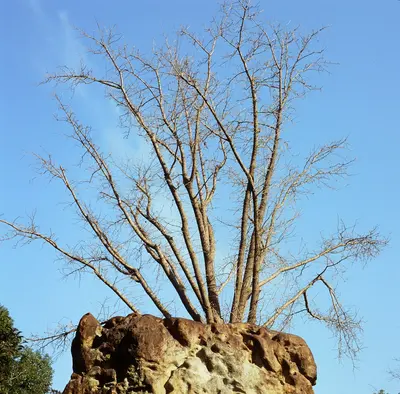
A superior shagbark hickory selection known for producing exceptionally large, thin-shelled nuts with outstanding flavor that rivals any native nut tree. Lakota was selected from wild trees for its consistent production, easy cracking, and rich, buttery kernel quality that makes the effort of growing hickories worthwhile. This variety represents the best of America's native nut trees for the patient home orchardist.
Harvest
180-210d
Days to harvest
Sun
Full sun to partial shade
Zones
4–8
USDA hardiness
Height
70-90 feet
Planting Timeline
Showing dates for Hickory (Lakota) in USDA Zone 7
All Zone 7 nut-tree →Zone Map
Click a state to update dates
Hickory (Lakota) · Zones 4–8
Growing Details
Complete Growing Guide
Light: Deep shade (Less than 2 hours to no direct sunlight), Full sun (6 or more hours of direct sunlight a day), Partial Shade (Direct sunlight only part of the day, 2-6 hours). Soil: Clay, High Organic Matter, Loam (Silt), Sand. Soil pH: Acid (<6.0), Neutral (6.0-8.0). Drainage: Good Drainage, Moist, Occasionally Dry. Height: 70 ft. 0 in. - 90 ft. 0 in.. Spread: 50 ft. 0 in. - 70 ft. 0 in.. Spacing: 24-60 feet, more than 60 feet. Growth rate: Slow. Maintenance: Low. Propagation: Seed, Stem Cutting. Regions: Coastal, Mountains, Piedmont.
Harvesting
The round fruit is a 4 parted husk that is 1½-2" long and wide. It is green maturing to deep brown and splits open when the nut is mature. The nut of each fruit is light tan, oval, and somewhat compressed. The meat is edible and sweet. Displays in October.
Color: Brown/Copper, Green. Type: Nut. Length: 1-3 inches. Width: 1-3 inches.
Garden value: Edible
Harvest time: Fall
Edibility: Nuts are edible and sweet.
Storage & Preservation
Store freshly harvested Lakota hickory nuts in their shells in a cool, dry location between 32–50°F with 60–70% humidity; unheated basements or root cellars work well. Use mesh bags or wooden crates to allow air circulation and prevent mold. Properly stored in-shell nuts remain fresh for 6–8 months, while shelled nutmeats last 3–4 weeks at room temperature or up to a year when refrigerated in airtight containers.
For longer preservation, freezing is ideal: crack shells, store shelled meats in freezer bags at 0°F or below for two years with minimal flavor loss. Drying is also effective—spread shelled kernels on screens in a warm, well-ventilated space until brittle, then store in sealed jars. Given this variety's exceptional richness, hickory butter can be made by roasting and grinding the nuts, then freezing in portions for baking and cooking throughout the year.
History & Origin
Origin: E. Canada to Central & E. U.S.A. and NE. Mexico
Advantages
- +Attracts: Butterflies, Moths, Pollinators, Small Mammals, Songbirds
- +Edible: Nuts are edible and sweet.
- +Low maintenance
Companion Plants
Wild Bergamot and Nodding Onion are worth planting in the 10-15 foot understory ring around a young Lakota hickory — both attract parasitic wasps that prey on hickory bark beetle and weevil larvae, and neither competes seriously at root depth. Little Bluestem and Purple Prairie Clover fix nitrogen at the surface and fill dry shade under the canopy without the aggressive lateral spread you'd get from most groundcovers. In our zone 7 Georgia gardens, Elderberry slots in well at the drip line — it handles the hickory's late-summer shade, and the two ripen within the same August-to-October window, so you're making one trip out there instead of two. Black Walnut needs a hard buffer of at least 50 feet: juglone leaches from its roots and leaf litter continuously, and feeder roots from a young hickory hitting that zone will yellow, stall, and eventually die back.
Plant Together
Wild Bergamot
Native prairie plant that attracts beneficial pollinators and pest predators
Purple Prairie Clover
Nitrogen-fixing legume that enriches soil and supports native ecosystem
Little Bluestem Grass
Native grass that prevents soil erosion and complements hickory's deep root system
Wild Ginger
Shade-tolerant groundcover that thrives under hickory canopy and retains soil moisture
Elderberry
Compatible native shrub that attracts birds which help disperse hickory nuts
Wild Columbine
Native wildflower that tolerates partial shade and attracts beneficial insects
Sumac
Fast-growing native shrub that provides windbreak protection for young hickory trees
Nodding Onion
Native allium that deters rodents from hickory nuts and attracts pollinators
Keep Apart
Black Walnut
Produces juglone which is toxic to hickory and inhibits growth through allelopathy
Eastern Red Cedar
Competes aggressively for water and nutrients, can harbor cedar-apple rust
Tree of Heaven
Invasive species that releases allelopathic compounds and outcompetes native hickory
Nutrition Facts
Per 100g serving. % Daily Value based on 2,000 calorie diet. Source: USDA FoodData Central (FDC #2346395)
Pests & Disease Resistance
Resistance
Excellent native disease and pest resistance, very hardy
Common Pests
Hickory weevil, aphids, hickory bark beetle, fall webworm
Diseases
Anthracnose, leaf spot, canker diseases (rarely serious)
Troubleshooting Hickory (Lakota)
What you'll see, why it happens, and what to do about it.
Ragged, skeletonized leaves or large webbed tents in branch crotches, late summer
Likely Causes
- Fall webworm (Hyphantria cunea) — caterpillars feed communally inside silk tents from July through September
- Young trees more visibly stressed than established ones
What to Do
- 1.On trees under 15 feet, physically remove and destroy the tents with a pole pruner — don't burn them in place, you'll damage the bark
- 2.Bacillus thuringiensis (Bt) sprayed directly into the tent while caterpillars are still small (under 1 inch) is effective and won't harm beneficials
- 3.On a mature 70-foot tree, light infestations won't hurt it; only intervene if defoliation hits more than 30% of the canopy two years running
Small, dark sunken lesions on leaves, premature leaf drop starting in late spring or early summer
Likely Causes
- Anthracnose (Gnomonia caryae) — fungal infection that spreads in cool, wet spring weather
- Dense canopy that slows drying after rain
What to Do
- 1.Rake and bag fallen leaves in autumn — don't compost them, the spores overwinter in leaf litter
- 2.Pruning lower limbs to 8-10 feet off the ground improves airflow and reduces splash spread
- 3.A single copper fungicide application at bud break (before leaves fully expand) can reduce pressure in chronically wet springs; NC State Extension recommends this only if the tree has had two or more severe seasons in a row
Small, perfectly round holes bored into nuts before harvest, or weevil grubs found inside cracked shells
Likely Causes
- Hickory weevil (Conotrachelus juglandis and related species) — adults lay eggs inside developing nuts in summer, larvae consume the kernel
- Heavy nut crops in prior years that allowed weevil populations to build in the soil
What to Do
- 1.Collect and destroy dropped nuts weekly from August onward — larvae exit the nut and pupate in the soil, so breaking that cycle matters
- 2.A ground tarp laid under the canopy during nut drop makes collection faster and reduces soil pupation sites
- 3.Kaolin clay applied to the canopy in early July (when nuts are about marble-sized) creates a physical barrier against egg-laying adults; reapply after rain
Frequently Asked Questions
How long does it take for Hickory (Lakota) to produce nuts?▼
What does Hickory (Lakota) taste like?▼
Can I grow Hickory (Lakota) in a container?▼
Is Hickory (Lakota) good for beginner gardeners?▼
How much sunlight does Hickory (Lakota) need?▼
What soil does Hickory (Lakota) need?▼
Zone-by-Zone Planting Calendar
Growing Guides from Wind River Greens
Sources & References
External authority sources used in compiling this guide.
- ExtensionNC State Extension
- USDAUSDA FoodData Central
See the Methodology page for how this data is sourced, what's AI-assisted, and known limitations.