Double Zahara™ Cherry
Zinnia marylandica
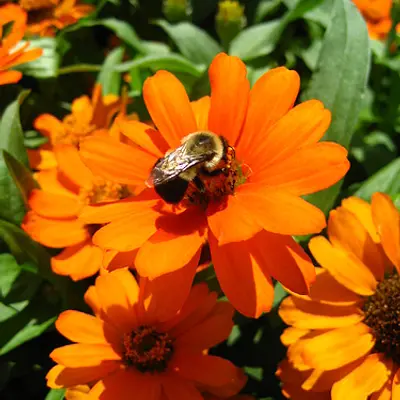
An easy-to-grow choice for cheerful color in the garden or pots. Highly uniform plants with a low-growing, mounding habit that flower continuously, providing weeks of color. Abundant, cherry-red, fully double blooms average 1 1/2-2 1/2" wide. Zahara dwarf zinnias were bred for powdery mildew resistance and long-lasting color for landscapes and garden beds. AAS Winner.
Harvest
75-85d
Days to harvest
Sun
Full sun to partial shade
Zones
11–12
USDA hardiness
Height
12-24 inches
Planting Timeline
Showing dates for Double Zahara™ Cherry in USDA Zone 7
All Zone 7 flower →Zone Map
Click a state to update dates
Double Zahara™ Cherry · Zones 11–12
Growing Details
Succession Planting
Double Zahara Cherry blooms continuously from a single sowing and doesn't need succession the way a cut-and-come-again crop like lettuce does. That said, if you want a longer overall season, start one round indoors in late February to early March for transplants, then direct sow a second round in mid-May — that flush will carry you deeper into fall once the first planting starts looking ragged. Don't bother direct sowing after daytime highs are reliably above 90°F; germination drops sharply and young seedlings struggle to establish in Georgia's July heat.
Complete Growing Guide
Light: Full sun (6 or more hours of direct sunlight a day), Partial Shade (Direct sunlight only part of the day, 2-6 hours). Soil: Clay, High Organic Matter, Loam (Silt), Sand. Soil pH: Acid (<6.0), Alkaline (>8.0), Neutral (6.0-8.0). Drainage: Good Drainage, Moist. Height: 1 ft. 0 in. - 2 ft. 0 in.. Spread: 0 ft. 6 in. - 1 ft. 0 in.. Spacing: 12 inches-3 feet. Growth rate: Medium. Maintenance: Low. Propagation: Seed. Regions: Coastal, Mountains, Piedmont.
Harvesting
Double Zahara™ Cherry reaches harvest at 75 - 85 days from sowing per Johnny's Selected Seeds. Expect 1 1/2-2 1/2" at peak. As an annual, harvest continues until frost ends the season.
Type: Achene.
Storage & Preservation
Double Zahara Cherry zinnias are ornamental flowers meant for fresh garden display rather than storage. Once cut, arrange stems in a clean vase with fresh water in a cool location away from direct sunlight and ripening fruit. Cut flowers last 7-10 days. For preservation, air-dry flower heads by hanging bundles upside down in a warm, dark, well-ventilated space for 2-3 weeks. Alternatively, press individual blooms between parchment paper under heavy weights for 1-2 weeks to create flat botanical specimens. You can also preserve them using silica gel, burying flowers in the desiccant for 3-5 days until fully dried for floral arrangements.
History & Origin
Origin: Mexico, southwestern USA
Advantages
- +Cherry-red fully double blooms provide vibrant, continuous color for 75-85 days.
- +Highly uniform, low-growing mounding habit works perfectly for containers and borders.
- +Bred specifically for powdery mildew resistance, reducing common zinnia disease problems.
- +AAS Winner status confirms superior performance and reliability in diverse growing conditions.
Considerations
- -Fully double blooms may attract less pollinator activity than single-flower varieties.
- -Compact size limits height, unsuitable for back-of-border or tall arrangement needs.
- -Continuous blooming requires regular deadheading to maintain neat appearance and vigor.
Companion Plants
In our zone 7 Georgia gardens, Double Zahara Cherry does well flanked by marigolds and alyssum — marigolds disrupt aphid and whitefly host-finding with their scent, while alyssum pulls in parasitic wasps that hit those same pests hard once they arrive. Cosmos and cleome fill the vertical space without fighting aggressively for water at 12-18 inch spacing. Black walnut is the one plant to keep at a real distance — juglone leaches from its roots and will stunt or kill zinnias outright — and impatiens just wants too much shade and moisture to share a bed without one of them declining.
Plant Together
Sunflowers
Provide structural support and attract pollinators while sharing similar growing conditions
Cleome
Attract beneficial insects and provide vertical interest without competing for resources
Alyssum
Ground cover that attracts parasitic wasps and beneficial predators
Celosia
Similar growing requirements and bloom period, creating attractive color combinations
Marigolds
Repel nematodes, aphids, and whiteflies while attracting beneficial insects
Basil
Deters aphids, spider mites, and thrips that commonly affect zinnias
Nasturtiums
Act as trap crops for aphids and cucumber beetles, drawing pests away
Cosmos
Attract beneficial predatory insects and provide complementary bloom times
Keep Apart
Black Walnut
Produces juglone toxin that inhibits growth and can kill sensitive plants like zinnias
Impatiens
Compete for similar resources and can harbor spider mites that transfer to zinnias
Fennel
Releases allelopathic compounds that inhibit growth of nearby flowering plants
Pests & Disease Resistance
Common Pests
Spider mites, aphids, whiteflies
Diseases
Powdery mildew resistance bred in, but susceptible to root rot in waterlogged conditions
Troubleshooting Double Zahara™ Cherry
What you'll see, why it happens, and what to do about it.
White powdery coating on upper leaf surfaces, usually showing up mid-summer when nights cool slightly
Likely Causes
- Powdery mildew (Erysiphe cichoracearum) — though Double Zahara has bred-in resistance, heavy humidity and poor airflow can still trigger it on stressed plants
- Plants crowded closer than 12 inches apart, blocking air circulation
What to Do
- 1.Thin or transplant any plants closer than 12 inches so air can move between them
- 2.Strip affected leaves and bin them — don't compost
- 3.If it spreads, apply a diluted neem oil spray (2 tbsp per gallon) in the early morning so foliage dries before nightfall
Stems collapsing at the soil line, lower foliage yellowing and wilting even when the soil feels moist
Likely Causes
- Root rot from Pythium or Rhizoctonia — both thrive in waterlogged, poorly drained soil
- Planting in low spots where water pools after rain
What to Do
- 1.Pull the affected plant — it won't recover once the crown is gone
- 2.Work in 2-3 inches of coarse compost before replanting, or raise the bed by 4-6 inches if drainage is a recurring problem
- 3.Water only when the top inch of soil is dry; Double Zahara handles a brief dry spell far better than it handles wet feet
Frequently Asked Questions
How long do Double Zahara Cherry zinnia flowers last once planted?▼
Are Double Zahara Cherry zinnias good for beginners?▼
Can you grow Double Zahara Cherry zinnias in containers?▼
When should I plant Double Zahara Cherry zinnia seeds?▼
How much sun do Double Zahara Cherry zinnias need?▼
What makes Double Zahara Cherry zinnias different from other zinnia varieties?▼
Zone-by-Zone Planting Calendar
| Zone | Indoor Start | Transplant | Direct Sow | Harvest |
|---|---|---|---|---|
| Zone 3 | April – May | June – July | June – August | — |
| Zone 4 | March – April | June – June | June – July | — |
| Zone 5 | March – April | May – June | May – July | — |
| Zone 6 | March – April | May – June | May – July | — |
| Zone 7 | February – March | April – May | April – June | — |
| Zone 8 | February – March | April – May | April – June | — |
| Zone 9 | January – February | March – April | March – May | — |
| Zone 10 | January – January | February – March | February – April | — |
| Zone 1 | May – June | July – August | July – September | — |
| Zone 2 | April – May | June – July | June – August | — |
| Zone 11 | January – January | January – February | January – March | — |
| Zone 12 | January – January | January – February | January – March | — |
| Zone 13 | January – January | January – February | January – March | — |
Growing Guides from Wind River Greens
Sources & References
External authority sources used in compiling this guide.
- BreederJohnny's Selected Seeds
See the Methodology page for how this data is sourced, what's AI-assisted, and known limitations.