Golden Alexander
Zizia aurea
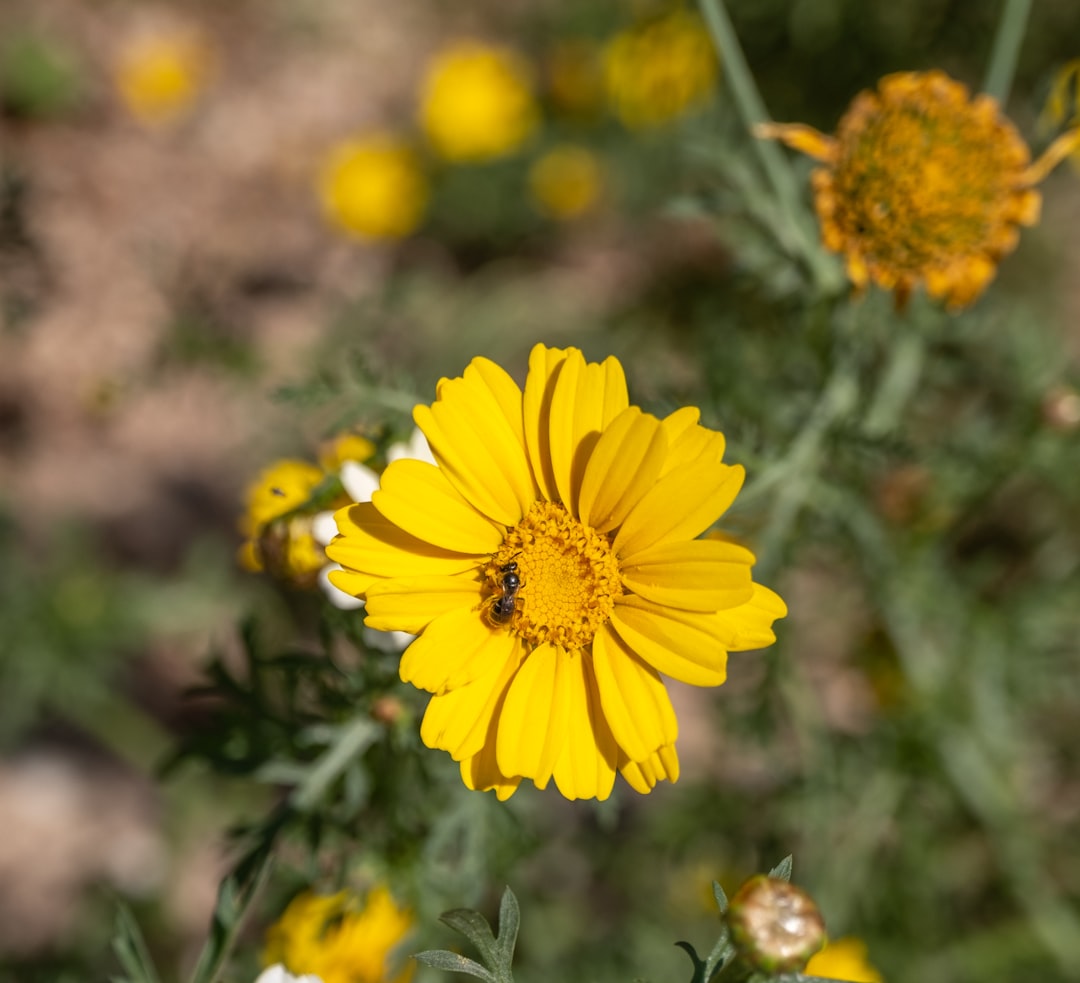
Golden Alexander (Zizia aurea) is a perennial native wildflower. Hardy in USDA zones 3 to 8.
Sun
Full sun to partial shade
Zones
3–8
USDA hardiness
Height
12-24 inches
Planting Timeline
Showing dates for Golden Alexander in USDA Zone 7
All Zone 7 native-wildflower →Zone Map
Click a state to update dates
Golden Alexander · Zones 3–8
Growing Details
Complete Growing Guide
Golden Alexander is one of the most forgiving native wildflowers you can grow, but a little understanding of its preferences goes a long way. Choose a site with full sun to partial shade — four to six hours minimum. In hotter parts of its range (zones 7-8), afternoon shade keeps the foliage looking fresh through summer. In cooler zones (3-5), give it as much sun as possible for the strongest bloom display.
Soil matters less than moisture. Golden Alexander tolerates clay, loam, and even rocky soils, and shrugs off occasional flooding — making it a star choice for rain gardens, swales, and the edges of ponds. It also handles average garden soil and brief dry spells once established. Before planting, loosen the top 6-8 inches of soil and work in a couple of inches of compost if your soil is poor, but skip heavy fertilizer; overfeeding produces floppy growth.
The seed requires cold-moist stratification to germinate reliably. The easiest method is fall direct-sowing: scatter seed on prepared soil in October or November, press in (don't bury — they need light), and let winter do the work. If sowing in spring, mix seed with damp sand in a bag and refrigerate for 60-90 days before planting. Germination is uneven — expect 14-30 days once temperatures warm.
Transplant nursery plants in spring or early fall, spacing them 12-18 inches apart. Water deeply for the first two to three weeks until you see new growth. After establishment, supplemental watering is rarely needed except during severe drought.
Don't expect blooms the first year from seed — Golden Alexander typically spends year one building roots and a basal rosette, then flowers in year two. This is the most common reason gardeners think they've failed; you haven't, just be patient.
No staking, pruning, or training needed. The plant holds itself upright on wiry stems even in wind. After flowering, you'll see ribbed green seed heads that ripen to purplish-brown by midsummer. Leave them — they're attractive, feed birds, and self-sow politely to expand your colony. If you want to limit spread, deadhead before seeds mature.
Common mistakes to avoid: planting in deep, dry shade (poor bloom); skipping stratification (no germination); and pulling young plants thinking they're weeds — first-year foliage looks unremarkable. Mark your seedlings.
For maximum impact, plant in drifts of 5-9 plants and pair with prairie smoke, wild geranium, or blue-eyed grass for synchronized spring bloom. In zones 3-4, mulch lightly the first winter after fall planting to prevent frost heave.
Harvesting
Golden Alexander is grown ornamentally and ecologically rather than for food, but you may want to harvest seed for propagation or cut stems for arrangements. For seed, watch the green ribbed fruits that develop after bloom — they're ready when they turn from green to a dusty purplish-brown or tan, usually mid-July to August depending on your zone. Test by gently squeezing a seed head; ripe seeds release easily and feel firm, not soft or milky. Snip whole umbels with pruners on a dry morning after dew has lifted, place in a paper bag, and let them finish drying for one to two weeks in a well-ventilated spot.
For cut flowers, harvest stems in the morning when at least half the tiny florets in the umbel have opened. Use sharp pruners and cut at an angle just above a leaf node — the plant will often push a smaller secondary bloom. Avoid harvesting more than one-third of any plant's stems to keep it vigorous and to leave food for pollinators.
Storage & Preservation
Fresh-cut Golden Alexander stems last 5-7 days in a clean vase with cool water; recut stems underwater and change water every two days. The flowers don't tolerate refrigeration well — keep arrangements at room temperature out of direct sun.
For seed storage, fully dry harvested umbels for 10-14 days, then rub between your hands over a bowl to separate seed from chaff. Store cleaned seed in a paper envelope inside a sealed jar with a silica packet, kept in the refrigerator. Properly stored seed remains viable for 2-3 years, though germination rates decline after year one.
Golden Alexander also dries reasonably well for everlasting arrangements: hang small bundles upside down in a dark, airy space for two weeks. The yellow fades to a soft cream, and the umbel structure holds beautifully.
History & Origin
Zizia aurea is native to eastern and central North America, with a range spanning from Quebec south to Florida and west to Saskatchewan and Texas. It was named in honor of Johann Baptist Ziz, a German botanist of the early 19th century, by his colleague Wilhelm Koch. The species has never been formally 'bred' — it's a true wild species that gardeners have simply welcomed into cultivation as the native plant movement has grown since the late 20th century.
Indigenous peoples and early settlers reportedly used the roots and aerial parts in folk medicine for fevers and wounds, though it should be noted that the plant belongs to the carrot family (Apiaceae), which contains both edible relatives and deadly look-alikes like poison hemlock — modern foragers and gardeners should treat it as ornamental only.
Its modern significance is ecological: it's recognized as a keystone species in tallgrass prairie and oak savanna restoration, and its early bloom fills a critical nectar gap for emerging native bees in April and May.
Advantages
- +Blooms in late spring when few other native perennials are flowering, filling a critical pollinator gap
- +Host plant for black swallowtail butterfly larvae alongside the more common dill and parsley
- +Tolerates seasonal flooding and clay soils that defeat most perennials
- +Self-sows politely to form natural drifts without becoming aggressive or weedy
- +Deer and rabbit resistant — rarely browsed even in high-pressure areas
- +Long-lived and essentially maintenance-free once established, often persisting 10+ years
- +Attractive seed heads and clean foliage extend ornamental interest well past bloom
Considerations
- -Requires cold-moist stratification to germinate, frustrating gardeners expecting quick results from seed
- -Typically doesn't bloom until its second year, requiring patience
- -Foliage can decline and yellow by late summer in hot, dry conditions
- -Resembles poison hemlock and wild parsnip enough to confuse beginners — proper ID is essential
- -Limited commercial availability outside native plant nurseries
Companion Plants
Golden Alexander pairs naturally with other spring-blooming natives that share its preference for moist, partly shaded edges. Wild Columbine (Aquilegia canadensis) and Woodland Phlox (Phlox divaricata) bloom on nearly the same schedule and top out at similar heights, so they fill the same visual layer without crowding each other's root zones. Wild Ginger (Asarum canadense) works well planted at the base: it's a low groundcover that suppresses weeds without competing for the light zone above 6-8 inches, and it handles the dappled shade that Golden Alexander casts in a partly shaded spot.
Taller prairie companions like Wild Bergamot (Monarda fistulosa) and Purple Coneflower (Echinacea purpurea) bloom in mid-to-late summer, picking up pollinator traffic right as Golden Alexander's yellow umbels are fading. That natural handoff staggers forage across roughly May through September without any management on your part. Blue Wild Indigo (Baptisia australis) has deep taproots that fix nitrogen and don't tangle much at the surface layer where Zizia feeds, making it a low-friction neighbor on either side.
The three plants to keep away are worth treating differently. Black Walnut (Juglans nigra) produces juglone — a root-zone chemical that suppresses or kills a wide range of plants — and its drip line can extend well past the canopy edge, so site your native planting accordingly. Autumn Olive (Elaeagnus umbellata) and Crown Vetch (Coronilla varia) are both invasive species that spread aggressively; either one will gradually displace a Golden Alexander planting over 2-3 seasons without intervention.
Plant Together
Wild Bergamot
Attracts beneficial pollinators and predatory insects, shares similar growing conditions
Purple Coneflower
Complements bloom time and attracts diverse pollinators including native bees
Wild Ginger
Provides groundcover and attracts spicebush swallowtail butterflies that also use Golden Alexander
Blue Wild Indigo
Fixes nitrogen in soil and hosts wild indigo duskywing butterflies alongside swallowtails
Woodland Phlox
Blooms early with Golden Alexander, attracts complementary pollinators
Mayapple
Provides seasonal groundcover and thrives in similar partial shade conditions
Trout Lily
Early spring ephemeral that uses space before Golden Alexander fully emerges
Wild Columbine
Attracts hummingbirds and long-tongued bees, complementary bloom timing
Keep Apart
Black Walnut
Produces juglone which inhibits growth of many plants including Golden Alexander
Autumn Olive
Invasive shrub that competes aggressively for nutrients and shades out native wildflowers
Crown Vetch
Aggressive ground cover that can overwhelm and outcompete native wildflowers
Pests & Disease Resistance
Common Pests
Generally pest-free; occasional aphids; black swallowtail caterpillars (welcome, as it's a host plant)
Diseases
Generally disease-free; occasional powdery mildew or leaf spot in poor air circulation
Troubleshooting Golden Alexander
What you'll see, why it happens, and what to do about it.
White powdery coating on leaves, usually mid-to-late summer after the plant has finished blooming
Likely Causes
- Powdery mildew (Erysiphe or Golovinomyces spp.) — fungal, thrives in humid air with poor circulation
- Plants crowded below 12 inches apart, or sited in a low-airflow corner
What to Do
- 1.Don't panic — Golden Alexander is done with its main show by the time mildew typically appears, and it rarely kills the plant
- 2.Cut affected stems back to the basal rosette to remove the worst tissue and improve airflow
- 3.Next season, space plants at least 12-18 inches apart and avoid overhead watering in the evening
Leaves eaten down to the midrib, often with small striped or spotted caterpillars visible on the plant
Likely Causes
- Black swallowtail caterpillars (Papilio polyxenes) — Golden Alexander is a native host plant for this species, so this is expected and intentional
What to Do
- 1.Leave them alone — this is the plant doing its job as a host plant, and the caterpillars will move on or pupate before killing the plant
- 2.If you need the foliage intact, relocate caterpillars by hand to a nearby wild carrot (Daucus carota) or other Apiaceae host
- 3.Plant 3 or more clumps of Golden Alexander so feeding pressure is spread across multiple plants
Frequently Asked Questions
How long does Golden Alexander take to grow from seed?▼
Is Golden Alexander good for beginners?▼
Can you grow Golden Alexander in containers?▼
What's the difference between Golden Alexander and Heart-leaved Alexander?▼
When should I plant Golden Alexander?▼
Does Golden Alexander spread aggressively?▼
Zone-by-Zone Planting Calendar
Growing Guides from Wind River Greens
Sources & References
External authority sources used in compiling this guide.
- ExtensionNC State Extension
See the Methodology page for how this data is sourced, what's AI-assisted, and known limitations.