Flashback Mix
Calendula officinalis
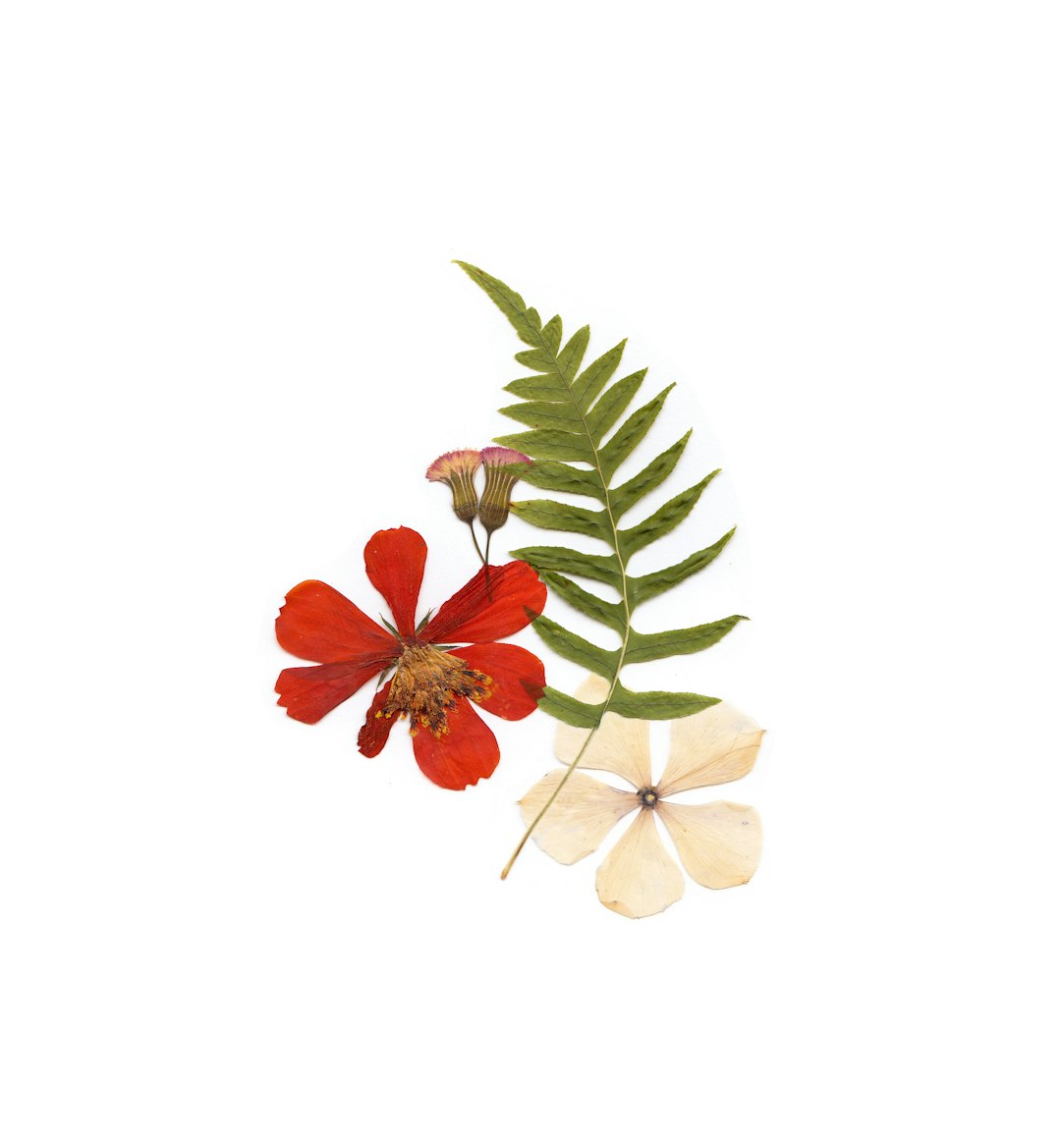
The undersides of the petals are a muted burgundy giving the 1 1/2-3" flowers a unique, flashy appearance. An excellent mix of colors; high percentage of double and semidouble flowers on long, strong stems. Also known as pot marigold, common marigold, and Scotch marigold. Edible Flowers: Petals of the flowers can be used fresh or dried in "flower confetti," soups, soufflés, rice dishes, baked goods, and to garnish desserts. Calendula is a popular choice for brightening up salad mix. Flavor is tangy and slightly bitter. Remove the petals from the flower base before consuming as the base can be quite bitter.
Harvest
50-55d
Days to harvest
Sun
Full sun to partial shade
Zones
2–11
USDA hardiness
Height
12-24 inches
Planting Timeline
Showing dates for Flashback Mix in USDA Zone 7
All Zone 7 flower →Zone Map
Click a state to update dates
Flashback Mix · Zones 2–11
Growing Details
Succession Planting
Calendula is a cool-season annual that bolts and stops flowering once daytime highs push consistently past 85°F — which in zone 7 usually means June. Start your first succession indoors in late February, transplant out in April, then direct-sow a second round in late April for a staggered cutflower window. Sow every 3 weeks from April 1 through May 15, then stop. A June sowing won't get to bloom before the heat shuts it down.
Come late August, once nighttime temps drop back below 65°F, direct sow a fall round — aim for August 15 through September 1 in zone 7. Calendula handles light frost down to about 25°F without complaint, so a fall planting will often carry you well into November and sometimes December if the weather cooperates.
Complete Growing Guide
Light: Full sun (6 or more hours of direct sunlight a day), Partial Shade (Direct sunlight only part of the day, 2-6 hours). Soil: Clay, High Organic Matter, Loam (Silt), Sand. Soil pH: Acid (<6.0), Alkaline (>8.0), Neutral (6.0-8.0). Drainage: Good Drainage, Moist. Height: 1 ft. 0 in. - 2 ft. 0 in.. Spread: 1 ft. 0 in. - 2 ft. 0 in.. Maintenance: Medium. Propagation: Seed. Regions: Coastal, Mountains, Piedmont.
Harvesting
Seeds ripe from August to November.
Type: Achene.
Harvest time: Fall
Edibility: Flower petals give color to soups, custards, and rice; also used in cookies, vinegars.
Storage & Preservation
Fresh calendula petals should be stored in a sealed container in the refrigerator at 35-40°F with moderate humidity for 3-5 days. For longer preservation, air-dry the petals in a cool, dark location (65-70°F) with good airflow for 1-2 weeks until completely crispy, then store in airtight containers away from light. Alternatively, freeze petals in ice cube trays with water or oil for up to 3 months, or infuse dried petals into oils and vinegars for extended shelf life and culinary use.
History & Origin
Flashback Mix is open-pollinated, meaning seed saved from healthy plants will produce true-to-type offspring. Listed in the Johnny's Selected Seeds catalog.
Origin: Mediterranean
Advantages
- +Attracts: Butterflies, Pollinators
- +Edible: Flower petals give color to soups, custards, and rice; also used in cookies, vinegars.
Companion Plants
Calendula's most useful neighbors are plants that pull pest pressure away from it or draw in the insects that do the pest-control work. Sweet Alyssum, planted at 6-inch intervals along the border of a calendula patch, brings in parasitic wasps and hoverflies — both of which feed on the aphids calendula tends to collect. Nasturtiums work as a trap crop, taking the aphid hit so the calendula doesn't have to, and they're comfortable in the same moderate-moisture soil without fighting for root space. In our zone 7 Georgia garden, nasturtiums and calendula overlap almost perfectly on the spring and fall schedule, which makes the pairing practical rather than just theoretical.
Black Walnut is the one to site carefully — it releases juglone from its roots and can stunt or kill calendula anywhere within the drip line and well beyond it. Eucalyptus leaf litter carries similar allelopathic compounds, so avoid planting beneath or downhill from either tree. Fennel produces anethole and other root exudates that suppress neighboring plants broadly; it's best isolated in its own bed rather than tucked into a mixed border where it'll quietly undercut everything around it.
Plant Together
Marigolds
Repel aphids, whiteflies, and nematodes while attracting beneficial insects
Sweet Alyssum
Attracts beneficial insects like hover flies and parasitic wasps that control pests
Nasturtiums
Act as trap crops for aphids and cucumber beetles, drawing pests away
Petunias
Repel aphids, tomato hornworms, and squash bugs with natural compounds
Zinnias
Attract beneficial predatory insects and pollinators while providing color contrast
Cosmos
Attract beneficial insects and provide habitat for pest predators
Lavender
Repels moths, fleas, and mosquitoes while attracting pollinators
Basil
Repels thrips, aphids, and spider mites with aromatic compounds
Keep Apart
Black Walnut Trees
Release juglone toxin that inhibits growth and can kill sensitive flowering plants
Eucalyptus
Produces allelopathic compounds that suppress growth of nearby plants
Fennel
Inhibits growth of most garden plants through allelopathic root secretions
Pests & Disease Resistance
Common Pests
Aphids, spider mites, whiteflies
Diseases
Powdery mildew, root rot in poorly drained soil
Troubleshooting Flashback Mix
What you'll see, why it happens, and what to do about it.
Sticky, distorted new growth with clusters of small soft-bodied insects on stem tips and undersides of leaves
Likely Causes
- Aphid infestation (likely Myzus persicae or Macrosiphoniella calendulae) — worst in spring when new growth is soft
- Excess nitrogen pushing tender leafy growth that aphids prefer
What to Do
- 1.Knock them off with a hard stream of water from a hose — do this in the morning so foliage dries before evening
- 2.Spray with insecticidal soap (diluted to 2 tablespoons per gallon), hitting the undersides of leaves where they hide
- 3.Pull back on any high-nitrogen fertilizer; calendula doesn't need much feeding anyway
White powdery coating spreading across upper leaf surfaces, usually showing up in late summer or early fall
Likely Causes
- Powdery mildew (Golovinomyces cichoracearum) — thrives in warm days with cool nights and poor airflow
- Plants spaced too close together, restricting air circulation
What to Do
- 1.Strip and trash (don't compost) affected leaves as soon as you see them
- 2.Space plants at least 12 inches apart — crowding at 6-8 inches is the most common mistake
- 3.Apply a diluted baking soda spray (1 tablespoon baking soda + 1 teaspoon horticultural oil per gallon of water) weekly as a preventive once you've had mildew problems in that bed before
Wilting despite moist soil, with yellowing lower leaves and dark, mushy stem tissue near the soil line
Likely Causes
- Root rot (Pythium or Rhizoctonia species) from consistently waterlogged soil
- Planting in a low spot that holds water after rain
What to Do
- 1.Pull the plant — there's no saving a calendula with advanced root rot
- 2.Amend the bed with 2-3 inches of compost worked in 8-10 inches deep to improve drainage before replanting
- 3.If the spot stays wet, build a raised row or switch to containers with drainage holes
Frequently Asked Questions
How long does it take for Flashback Mix calendula to bloom?▼
Can you grow Flashback Mix calendula in containers?▼
Is calendula good for beginners?▼
What does calendula taste like and how do you use it?▼
When should I plant Flashback Mix calendula seeds?▼
How much sun does Flashback Mix calendula need?▼
Zone-by-Zone Planting Calendar
| Zone | Indoor Start | Transplant | Direct Sow | Harvest |
|---|---|---|---|---|
| Zone 3 | April – May | June – July | June – August | — |
| Zone 4 | March – April | June – June | June – July | — |
| Zone 5 | March – April | May – June | May – July | — |
| Zone 6 | March – April | May – June | May – July | — |
| Zone 7 | February – March | April – May | April – June | — |
| Zone 8 | February – March | April – May | April – June | — |
| Zone 9 | January – February | March – April | March – May | — |
| Zone 10 | January – January | February – March | February – April | — |
| Zone 1 | May – June | July – August | July – September | — |
| Zone 2 | April – May | June – July | June – August | — |
| Zone 11 | January – January | January – February | January – March | — |
| Zone 12 | January – January | January – February | January – March | — |
| Zone 13 | January – January | January – February | January – March | — |
Growing Guides from Wind River Greens
Sources & References
External authority sources used in compiling this guide.
- ExtensionNC State Extension
- BreederJohnny's Selected Seeds
See the Methodology page for how this data is sourced, what's AI-assisted, and known limitations.