Yellow Columbine
Aquilegia chrysantha
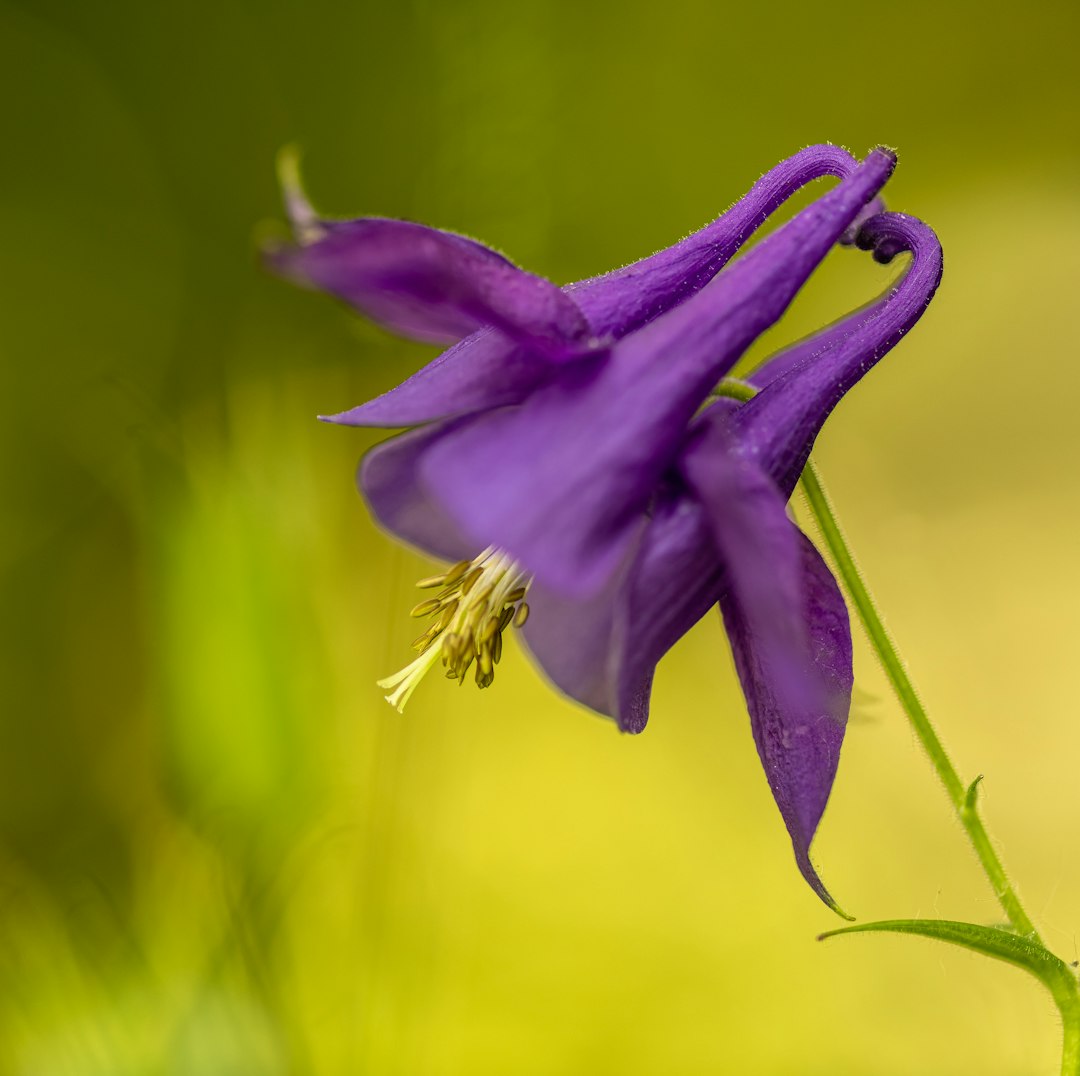
Yellow Columbine (Aquilegia chrysantha) is a perennial native wildflower. Hardy in USDA zones 4 to 9.
Sun
Full sun to partial shade
Zones
4–9
USDA hardiness
Height
2-3 feet
Planting Timeline
Showing dates for Yellow Columbine in USDA Zone 7
All Zone 7 native-wildflower →Zone Map
Click a state to update dates
Yellow Columbine · Zones 4–9
Growing Details
Complete Growing Guide
Light: Dappled Sunlight (Shade through upper canopy all day), Deep shade (Less than 2 hours to no direct sunlight), Full sun (6 or more hours of direct sunlight a day), Partial Shade (Direct sunlight only part of the day, 2-6 hours). Soil: Loam (Silt). Soil pH: Neutral (6.0-8.0). Drainage: Good Drainage. Height: 2 ft. 0 in. - 3 ft. 0 in.. Spread: 2 ft. 0 in. - 3 ft. 0 in.. Spacing: 3 feet-6 feet. Growth rate: Medium. Maintenance: Low. Propagation: Division, Seed.
Harvesting
Fruit is a green to dark grey follicle
Type: Follicle. Length: < 1 inch. Width: < 1 inch.
Storage & Preservation
Yellow Columbine flowers are best enjoyed fresh and should be stored in a cool location away from direct sunlight. For cut flowers, place stems in water in a cool room (60-65°F) with moderate humidity; they typically last 5-7 days. Preservation methods include: (1) Air-drying flowers upside-down in a dark, well-ventilated space for dried arrangements lasting months; (2) Pressing flowers between paper under weights for 2-3 weeks to create flat, decorative specimens; (3) Freezing flowers in ice cubes with water for decorative cocktails or displays, though this affects texture.
History & Origin
Origin: Utah and Arizona to Mexico with a small population in Colorado
Advantages
- +Attracts: Hummingbirds
- +Low maintenance
Companion Plants
The shade-tolerant companions in this plant's database — Ferns, Astilbe, Lungwort, Wild Ginger, and Bleeding Heart — all make sense for the same structural reason: they share similar light preferences (dappled to partial shade, 4-6 hours) and none of them spread aggressively enough to crowd out Aquilegia chrysantha. Ferns are particularly useful as a backdrop; their fronds fill the gaps left when columbine goes semi-dormant in late summer heat, so the bed doesn't look stripped. Coral Bells (Heuchera) works well at the front edge given its low 12-inch profile. Wild Bergamot is a fine pollinator companion but spreads by rhizome — give it a defined border or plant it at least 24 inches away so it doesn't creep into the columbine's root zone.
The harmful companions are worth taking seriously. Black Walnut (Juglans nigra) produces juglone, an allelopathic compound that leaches through the soil and is toxic to a wide range of herbaceous plants. Yellow Columbine is sensitive enough that even planting within the outer canopy edge of a mature walnut can cause stunting or failure to thrive — and that canopy can extend 30-40 feet from the trunk on an old tree. Mint is a different problem: not toxic, just relentless. It spreads by underground stolon at a rate that can cover several square feet per season, and it'll physically displace lower-growing plants before you notice it's moved in. Sunflowers are the least obvious entry on the harmful list — their main conflict with columbine is positional. Planted on the south side, a 5-6 foot sunflower throws enough shade to cut bloom production noticeably on a plant that already wants at least 4 hours of direct light.
Plant Together
Wild Ginger
Shares similar shade and moisture requirements, provides ground cover
Astilbe
Compatible moisture needs, provides complementary texture and bloom times
Coral Bells
Similar partial shade preferences, attractive foliage contrast
Ferns
Creates natural woodland understory conditions, compatible water needs
Wild Bergamot
Attracts beneficial pollinators that also visit columbine flowers
Lungwort
Thrives in similar cool, moist conditions with dappled shade
Trillium
Native woodland companion with compatible growing conditions
Bleeding Heart
Shares preference for cool, moist soil and partial shade
Keep Apart
Black Walnut
Produces juglone toxin that inhibits growth of sensitive plants like columbine
Sunflowers
Release allelopathic compounds that can stunt growth of nearby plants
Mint
Aggressive spreading habit can overwhelm and crowd out delicate columbine
Troubleshooting Yellow Columbine
What you'll see, why it happens, and what to do about it.
Leaves covered in powdery white coating, usually starting mid-summer after the first bloom flush
Likely Causes
- Powdery mildew (Erysiphe aquilegiae) — a fungal pathogen that thrives in warm days and cool nights with low airflow
- Overcrowded planting that traps humidity around the foliage
What to Do
- 1.Cut the whole plant back to the basal rosette — it'll put out fresh foliage within a few weeks and the mildew won't follow
- 2.Space plants at least 18 inches apart and avoid overhead watering in the evening
- 3.If mildew appears before you're ready to cut back, spray with a diluted neem oil solution (2 tbsp per gallon) every 7 days
Serpentine white or tan trails traced across the leaf surface, sometimes with small tan blotches
Likely Causes
- Leafminers (Phytomyza aquilegiae) — larvae of a small fly that tunnel through the leaf tissue; columbine is a known preferred host
What to Do
- 1.Pick off and trash the worst-affected leaves; light infestations don't threaten the plant's survival
- 2.Don't compost the damaged leaves — the pupae overwinter in plant debris and will be back next spring
- 3.Neem oil applied early in the season, before adults lay eggs, reduces pressure but won't fix active tunneling
Plant fails to germinate after 4+ weeks, or emerges weakly with spindly white shoots
Likely Causes
- Skipped cold stratification — Aquilegia chrysantha seeds have a chilling requirement and often stall without 3-4 weeks at 35-40°F
- Buried too deep — seeds need light to germinate and shouldn't be covered more than 1/8 inch
What to Do
- 1.Surface-sow or barely cover seeds, then cold-stratify in a damp paper towel inside a plastic bag in the refrigerator for 3-4 weeks before moving to warmth
- 2.Alternatively, direct sow in fall and let winter do the stratifying naturally — germination the following spring is typically more reliable this way
- 3.If shoots are etiolated (pale and stretching), move the tray to brighter light immediately; they won't recover full vigor but may still transplant
Frequently Asked Questions
How long does Yellow Columbine bloom?▼
Is Yellow Columbine easy for beginners to grow?▼
Can you grow Yellow Columbine in containers?▼
When should I plant Yellow Columbine?▼
Does Yellow Columbine self-seed?▼
What wildlife does Yellow Columbine attract?▼
Zone-by-Zone Planting Calendar
Growing Guides from Wind River Greens
Sources & References
External authority sources used in compiling this guide.
- ExtensionNC State Extension
See the Methodology page for how this data is sourced, what's AI-assisted, and known limitations.