Pilea Microphylla
Pilea microphylla
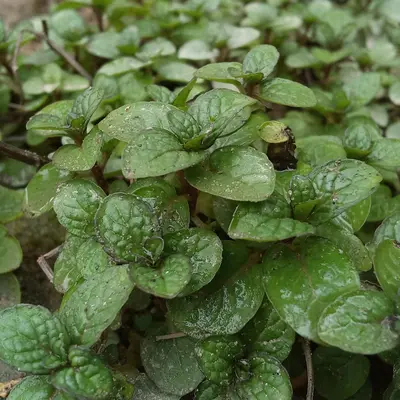
Known as the Artillery Plant for its ability to shoot pollen when disturbed, this charming small-leafed beauty creates dense, moss-like mounds of tiny bright green foliage. Perfect for terrariums or as a delicate groundcover in larger plant arrangements, it brings fine texture and movement to any collection.
Sun
Partial shade
Zones
11–12
USDA hardiness
Height
6-12 inches
Complete Growing Guide
Light: Dappled Sunlight (Shade through upper canopy all day), Partial Shade (Direct sunlight only part of the day, 2-6 hours). Soil: Loam (Silt), Sand. Soil pH: Acid (<6.0), Alkaline (>8.0), Neutral (6.0-8.0). Drainage: Good Drainage, Moist. Height: 0 ft. 6 in. - 1 ft. 0 in.. Spread: 0 ft. 6 in. - 2 ft. 0 in.. Spacing: 12 inches-3 feet. Growth rate: Medium. Maintenance: Low. Propagation: Stem Cutting.
Harvesting
Color: Brown/Copper. Length: < 1 inch.
Storage & Preservation
Pilea Microphylla is a living houseplant and does not require food storage or preservation. However, proper plant care ensures longevity. Keep the plant in a consistently cool location (65-75°F) away from heating vents and drafts. Maintain moderate humidity (40-60%) to prevent drying out. The plant can live indefinitely with proper care—potentially 5+ years or longer. Preservation methods include: (1) Propagation via stem cuttings placed in moist soil to create backup plants; (2) Regular pruning to maintain shape and encourage bushier growth; (3) Repotting every 12-18 months with fresh potting mix to sustain vitality.
History & Origin
Origin: Mexico, South America, Southeastern U.S.A., the Caribbean
Advantages
- +Dense moss-like foliage creates striking fine texture in plant arrangements
- +Easy to grow makes it ideal for beginners and busy plant owners
- +Unique pollen-shooting mechanism provides entertaining interactive plant experience
- +Perfect size for terrariums and small spaces with limited room
- +Bright green color adds vibrant visual interest year-round
Considerations
- -Prone to fungus gnats and occasional aphid infestations requiring treatment
- -Root rot risk from overwatering despite generally easy care requirements
- -Requires good air circulation to prevent powdery mildew development
- -Delicate nature makes it unsuitable for high-traffic or pet-heavy homes
Companion Plants
Pilea microphylla does well alongside plants that share its preference for moderate indirect light and consistently moist — but not waterlogged — soil. Boston Fern, Baby Tears, and Nerve Plant all thrive in the same humidity range (50–70%), so grouping them on a pebble tray raises ambient moisture for everyone without the need to mist constantly. Spider Plant and Peperomia are forgiving about watering cadence and won't crowd the root zone. Skip succulents, cacti, and Snake Plant as neighbors — those need the soil bone-dry between waterings, and any watering schedule that keeps Pilea happy will rot them out.
Plant Together
Boston Fern
Similar humidity requirements and creates beneficial microclimate
Spider Plant
Compatible light needs and helps maintain ambient humidity
Pothos
Shares similar watering schedule and thrives in bright indirect light
Baby Tears
Similar growth habit and moisture preferences create harmonious pairing
Peperomia
Compatible care requirements and both prefer well-draining soil
Small Philodendron varieties
Similar light and humidity needs without competing for space
Nerve Plant
Both enjoy consistent moisture and bright indirect light conditions
Small Begonia varieties
Compatible humidity and light requirements with similar care needs
Keep Apart
Succulents
Conflicting water needs - succulents prefer dry conditions while Pilea needs consistent moisture
Cacti
Opposite watering requirements and light intensity preferences
Snake Plant
Different humidity and watering needs can lead to overwatering issues
Pests & Disease Resistance
Resistance
Generally disease-resistant
Common Pests
Fungus gnats, occasionally aphids
Diseases
Root rot if overwatered, powdery mildew in poor air circulation
Troubleshooting Pilea Microphylla
What you'll see, why it happens, and what to do about it.
Tiny flies hovering around the soil surface; small larvae visible in the top inch of potting mix
Likely Causes
- Fungus gnats (Bradysia spp.) — larvae feed on root hairs in consistently wet soil
- Overwatering that keeps the top layer of soil perpetually damp
What to Do
- 1.Let the top 1-2 inches of soil dry out between waterings — fungus gnat larvae can't survive dry conditions
- 2.Top-dress with a thin layer of coarse sand or perlite to discourage egg-laying
- 3.Set yellow sticky traps at soil level to catch adults and break the breeding cycle
White powdery coating on leaves, usually starting on the upper surface; plant is near other houseplants with no airflow between them
Likely Causes
- Powdery mildew — a fungal infection that takes hold when humidity is high and air circulation is poor
- Overcrowded shelf or windowsill with no gap between plants
What to Do
- 1.Move the plant to a spot with at least 4-6 inches of clearance from neighbors and a gentle airflow (a ceiling fan on low works)
- 2.Remove and discard badly affected leaves — don't compost them
- 3.Spray remaining foliage with a diluted neem oil solution (1 tsp neem per quart of water) once a week until symptoms clear
Frequently Asked Questions
Is Pilea Microphylla good for beginners?▼
Can you grow Pilea Microphylla in containers?▼
Why is Pilea Microphylla called the Artillery Plant?▼
How often should I water Pilea Microphylla?▼
What light conditions does Pilea Microphylla need?▼
Does Pilea Microphylla attract pests?▼
Growing Guides from Wind River Greens
Sources & References
External authority sources used in compiling this guide.
- ExtensionNC State Extension
See the Methodology page for how this data is sourced, what's AI-assisted, and known limitations.