Japanese Forest Grass
Hakonechloa macra 'Aureola'
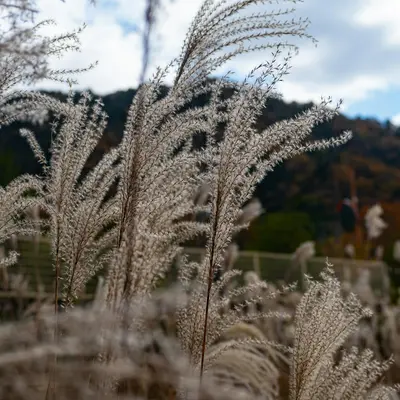
An exquisite shade-loving ornamental grass with cascading golden-yellow leaves striped with green that brings luminous color to dark garden corners. This graceful Japanese native moves beautifully in the slightest breeze and turns bronze-pink in fall, making it one of the most sought-after ornamental grasses for shade gardens.
Sun
Partial shade
Zones
5–9
USDA hardiness
Height
12-18 inches
Planting Timeline
Showing dates for Japanese Forest Grass in USDA Zone 7
All Zone 7 grass →Zone Map
Click a state to update dates
Japanese Forest Grass · Zones 5–9
Growing Details
Complete Growing Guide
Light: Dappled Sunlight (Shade through upper canopy all day), Deep shade (Less than 2 hours to no direct sunlight), Partial Shade (Direct sunlight only part of the day, 2-6 hours). Soil: High Organic Matter, Loam (Silt), Sand. Soil pH: Acid (<6.0), Neutral (6.0-8.0). Drainage: Good Drainage, Moist. Height: 1 ft. 0 in. - 1 ft. 6 in.. Spread: 1 ft. 0 in. - 2 ft. 0 in.. Spacing: 12 inches-3 feet. Growth rate: Slow. Maintenance: Low. Propagation: Division. Regions: Coastal, Mountains, Piedmont.
Harvesting
For ornamental display rather than traditional harvesting, Japanese Forest Grass reaches peak visual impact when foliage transitions from its bright golden-yellow striped appearance to deeper bronze-pink tones, typically occurring in early fall. The cascading habit becomes most pronounced once stems achieve their full 12-18 inch length and display a supple, graceful texture that moves freely with air circulation. Rather than harvesting for consumption, gardeners cut stems continuously throughout the growing season for fresh arrangements, or perform a single late-season harvest in early November before winter dormancy sets in. The specific timing advantage lies in harvesting in morning hours when stems are fully hydrated, ensuring maximum vase life and structural integrity for cut arrangements that can last two to three weeks indoors.
Type: Caryopsis.
Storage & Preservation
Japanese Forest Grass is an ornamental variety and does not require storage or preservation in the traditional culinary sense. However, for maintaining plant health, store containerized plants in cool conditions (50-60°F) during winter dormancy in cold climates. For dried decorative applications, cut stems in late fall and hang-dry in a cool, dry location with low humidity. Dried foliage maintains its color for 6-12 months. For long-term preservation, divide clumps every 3-4 years in spring to rejuvenate plants, or collect seeds in autumn and store in cool, dry conditions for propagation.
History & Origin
Origin: Japan
Advantages
- +Stunning golden-yellow foliage with green stripes brightens shady garden areas
- +Graceful cascading form creates elegant movement in gentle breezes
- +Bronze-pink fall color adds seasonal interest to shade gardens
- +Thrives in challenging shade conditions where few ornamental grasses succeed
- +Low maintenance once established in appropriate growing conditions
Considerations
- -Requires consistently moist but well-drained soil to prevent root rot
- -Vulnerable to slug and snail damage in wet growing environments
- -Leaf scorch develops quickly if exposed to excessive direct sunlight
- -Moderate difficulty means it needs specific care conditions to thrive
Companion Plants
Hosta, Astilbe, Heuchera, and Japanese Painted Fern pair well with Hakonechloa 'Aureola' because they share the same basic requirements: part shade, consistent moisture, and a soil pH between 5.5 and 7.0. None of them are deep-rooted, so there's no meaningful competition underground. The more practical reason to group them is contrast — the golden-variegated blades of 'Aureola' catch whatever dappled light filters through and read completely differently against a broad hosta leaf or the cut foliage of Astilbe than they would next to something similar in texture. In our zone 7 Georgia gardens, Caladium and Impatiens fill out that same shade planting through the humid summer months without fighting for resources.
Lavender, Rosemary, and Sedum don't belong nearby because their growing conditions are the opposite of what 'Aureola' needs — full sun, lean soil, and fast drainage. Planting them together means one group is always suffering. Black Walnut is a harder problem: it produces juglone, a root-zone compound that actively suppresses growth in many ornamentals, and Hakonechloa has no documented tolerance for it. If you have a walnut on the property, keep this grass well outside the drip line — typically 50 feet or more from the trunk.
Plant Together
Hosta
Similar shade and moisture requirements, complementary foliage textures
Astilbe
Thrives in same moist, shaded conditions and provides colorful flower contrast
Heuchera
Compatible shade tolerance and adds colorful foliage variety
Ferns
Share preference for cool, moist, shaded woodland conditions
Caladium
Both prefer filtered light and consistent moisture, colorful leaf contrast
Begonia
Shade-loving with similar water needs, provides flowering interest
Japanese Painted Fern
Native habitat overlap with matching cultural requirements
Impatiens
Thrives in same shaded, moist conditions while adding seasonal color
Keep Apart
Lavender
Requires full sun and dry conditions, opposite of forest grass needs
Rosemary
Needs well-draining soil and full sun, incompatible with shade requirements
Sedum
Drought-tolerant succulent that cannot tolerate moist shade conditions
Black Walnut
Produces juglone toxin that can inhibit growth of many understory plants
Pests & Disease Resistance
Resistance
Good disease resistance in proper conditions
Common Pests
Slugs and snails in moist conditions
Diseases
Root rot in poorly drained soils, leaf scorch in too much sun
Troubleshooting Japanese Forest Grass
What you'll see, why it happens, and what to do about it.
Irregular holes chewed in leaf blades overnight, often on the lowest, most sheltered leaves
Likely Causes
- Slug or snail feeding — they're most active after rain or irrigation in humid conditions
- Dense mulch layer holding moisture right against the crown
What to Do
- 1.Set out iron phosphate bait (Sluggo is a common brand) around the base of the plant in the evening — it's safe around pets and won't harm the soil
- 2.Pull mulch back 2-3 inches from the crown so the immediate area dries out between waterings
- 3.Check under the leaves with a flashlight after dark — hand-pick if the population is small
Leaf tips and margins turning brown and papery, starting mid-summer
Likely Causes
- Leaf scorch from too much direct sun — 'Aureola' wants 4-6 hours of filtered light, not 8 hours of afternoon sun
- Inconsistent watering dropping below the 1-inch-per-week threshold during hot spells
What to Do
- 1.Move container-grown plants to a spot that gets morning sun and shade after noon
- 2.For in-ground plants, add a 2-3 inch layer of shredded leaf mulch to hold soil moisture and buffer root temperature
- 3.Trim the scorched tips with clean scissors — it won't fix the cause, but the plant will look better while you sort out the light situation
Frequently Asked Questions
Is Japanese Forest Grass good for beginners?▼
Can you grow Japanese Forest Grass in containers?▼
How long does Japanese Forest Grass take to mature?▼
When should I plant Japanese Forest Grass?▼
What does Japanese Forest Grass look like in different seasons?▼
How do I prevent slugs and snails on Japanese Forest Grass?▼
Zone-by-Zone Planting Calendar
Growing Guides from Wind River Greens
Sources & References
External authority sources used in compiling this guide.
- ExtensionNC State Extension
See the Methodology page for how this data is sourced, what's AI-assisted, and known limitations.