Hazel (American)
Corylus americana
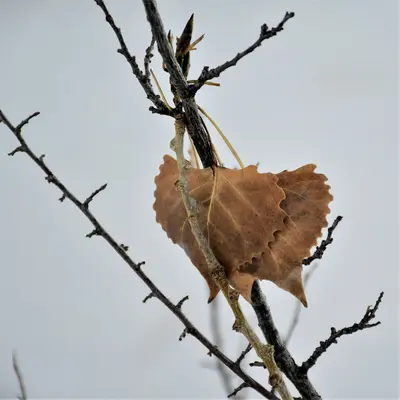
A native North American shrub that produces clusters of small, sweet nuts beloved by both wildlife and gardeners. This hardy, cold-tolerant species thrives in a wide range of conditions and makes an excellent choice for naturalistic landscapes or permaculture designs. The nuts have a rich, buttery flavor and the plant provides beautiful fall color and early spring catkins.
Harvest
120-150d
Days to harvest
Sun
Full sun to partial shade
Zones
4–9
USDA hardiness
Height
9-12 feet
Planting Timeline
Showing dates for Hazel (American) in USDA Zone 7
All Zone 7 nut-tree →Zone Map
Click a state to update dates
Hazel (American) · Zones 4–9
Growing Details
Complete Growing Guide
Light: Deep shade (Less than 2 hours to no direct sunlight), Full sun (6 or more hours of direct sunlight a day), Partial Shade (Direct sunlight only part of the day, 2-6 hours). Soil: Clay, Loam (Silt), Sand. Soil pH: Acid (<6.0), Neutral (6.0-8.0). Drainage: Good Drainage, Moist, Occasionally Dry. Height: 9 ft. 0 in. - 12 ft. 0 in.. Spread: 8 ft. 0 in. - 13 ft. 0 in.. Spacing: 12-24 feet. Growth rate: Medium. Maintenance: Low. Propagation: Seed. Regions: Coastal, Mountains, Piedmont.
Harvesting
Female flowers develop into a small cluster of green nuts enclosed by two protective bracts that turn brown when the nuts are ripe. Nuts are 1/2 inch in size. Display time is late summer and fall.
Color: Brown/Copper, Green. Type: Nut. Length: < 1 inch. Width: < 1 inch.
Garden value: Edible
Harvest time: Fall, Summer
Edibility: Its nuts are edible.
Storage & Preservation
Store freshly harvested American hazel nuts in a cool, dry location between 32–50°F with humidity around 60–70 percent. Use breathable containers such as mesh bags or wooden crates to allow air circulation and prevent moisture buildup. Under these conditions, nuts in their shells remain viable for 3–4 months; shelled nuts last only 2–3 weeks before developing rancidity.
For longer preservation, freeze shelled nuts in airtight containers at 0°F or below, where they keep for up to a year with minimal flavor loss. Drying is also effective—spread kernels in a single layer in a dehydrator at 140°F until brittle, typically 8–12 hours, then store in sealed jars. Roasting at 350°F for 15–20 minutes before storage intensifies the buttery flavor and extends shelf life slightly by reducing moisture content. Many growers leave nuts on the tree longer to naturally cure them before harvest, significantly improving storage longevity and reducing post-harvest drying time.
History & Origin
Origin: United State and Canada
Advantages
- +Attracts: Butterflies, Small Mammals, Songbirds
- +Edible: Its nuts are edible.
- +Low maintenance
Companion Plants
Comfrey is probably the most useful plant to put near an American hazel. Its tap roots go down 6 feet or more, pulling up calcium and potassium from below the hazel's rooting zone, and when you cut and drop the leaves they break down fast into a surface mulch. It stays low enough — 2 to 3 feet — that it doesn't shade out the lower limbs. Elderberry pairs well structurally too: similar height range, similar preference for moist edges and partial shade, and it fills a different canopy layer without crowding. At the base, wild bergamot and chives pull in predatory wasps and hoverflies that knock back the aphid colonies that tend to cluster on hazel's new growth each spring.
Black walnut is the plant to keep far away. Juglone — the allelopathic compound it releases through roots and decomposing leaf litter — is well-documented as harmful across a wide range of understory plants, and most extension literature recommends at least a 50-foot buffer. Maple trees are a subtler problem: their shallow, aggressive root systems compete hard for water and nutrients in the top 12 to 18 inches of soil, exactly where hazel feeds. Eastern red cedar hosts cedar-apple rust (Gymnosporangium juniperi-virginianae), which isn't a direct hazel pathogen, but planting into a cedar-heavy site usually means poor airflow and persistently damp conditions — the same environment that favors Anisogramma outbreaks.
Plant Together
Wild Ginger
Provides ground cover, retains moisture, and attracts beneficial insects without competing for nutrients
Elderberry
Attracts pollinators and beneficial insects, provides windbreak protection, and improves soil health
Wild Bergamot
Attracts native pollinators essential for hazel nut production and repels harmful insects
Comfrey
Deep roots bring nutrients to surface, provides mulch material, and doesn't compete with shallow hazel roots
Chives
Repels aphids and other pests while attracting beneficial insects, compatible root depth
Wild Columbine
Attracts early pollinators during hazel flowering season and tolerates partial shade
Ferns
Thrives in hazel's filtered shade, provides living mulch, and doesn't compete for nutrients
Serviceberry
Compatible growth habit, attracts pollinators, and provides additional wildlife food source
Keep Apart
Black Walnut
Produces juglone toxin that inhibits hazel growth and nut production
Eastern Red Cedar
Can harbor cedar-hazel rust disease that damages hazel leaves and reduces nut yield
Wild Cherry
Competes aggressively for nutrients and water, can harbor pests that affect hazel
Maple Trees
Dense canopy blocks essential sunlight needed for hazel flowering and nut production
Nutrition Facts
Per 100g serving. % Daily Value based on 2,000 calorie diet. Source: USDA FoodData Central (FDC #2515375)
Pests & Disease Resistance
Resistance
Good resistance to most diseases, susceptible to eastern filbert blight in some regions
Common Pests
Filbert weevil, aphids, scale insects
Diseases
Eastern filbert blight (in susceptible areas), bacterial blight
Troubleshooting Hazel (American)
What you'll see, why it happens, and what to do about it.
Nuts are hollow or contain a small, cream-colored grub at harvest
Likely Causes
- Filbert weevil (Curculio obtusus) — female weevils puncture developing nuts in mid-summer to lay eggs; larvae eat the kernel and exit before you notice
- Harvest timing too late, after weevil larvae have already dropped to the soil to pupate
What to Do
- 1.Harvest nuts as soon as they begin dropping naturally — don't let them sit on the ground more than a day or two
- 2.Collect and destroy any nuts with small exit holes; don't compost them
- 3.In areas with heavy weevil pressure, lay a tarp under the bush during harvest season and collect daily to interrupt the larva-to-soil cycle
Stems developing orange-tan cankers with dark margins, with dieback progressing back from branch tips
Likely Causes
- Eastern filbert blight (Anisogramma anomala) — a fungal canker disease that spreads via spores during wet spring weather; American hazel has some natural tolerance but isn't fully immune
- Overcrowded multi-stem growth that traps moisture and limits airflow
What to Do
- 1.Prune out infected stems at least 6 inches below the visible canker margin and burn or bag the cuttings — don't leave them on-site
- 2.Thin the shrub to 8-12 main stems to open up airflow; American hazel throws suckers aggressively, so this takes annual attention
- 3.Avoid overhead irrigation during spring budbreak when Anisogramma spores are most active
Frequently Asked Questions
How long does it take to harvest American hazel nuts?▼
Is American hazel a good choice for beginner gardeners?▼
Can you grow American hazel in containers?▼
What does American hazel taste like?▼
How much sun does American hazel need to thrive?▼
What pests should I watch for when growing American hazel?▼
Zone-by-Zone Planting Calendar
Growing Guides from Wind River Greens
Sources & References
External authority sources used in compiling this guide.
- ExtensionNC State Extension
- USDAUSDA FoodData Central
See the Methodology page for how this data is sourced, what's AI-assisted, and known limitations.