Champagne Bubbles Scarlet
Papaver nudicaule
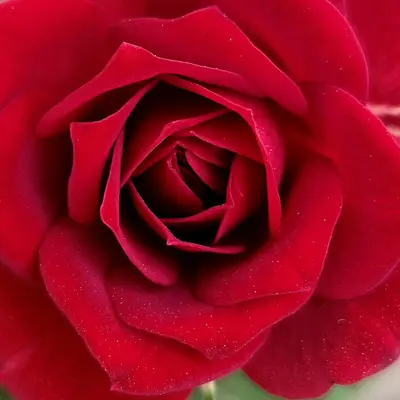
Cheerful scarlet-red 3-5" blooms are borne on sturdy, straight, 12-20" stems. Productive plants produce uniform, crinkled, cup-shaped blooms that sparkle and float above clumps of soft, gray-green foliage. Lightly fragrant.
Harvest
85-100d
Days to harvest
Sun
Full sun to partial shade
Zones
2–7
USDA hardiness
Height
12-20 inches
Planting Timeline
Showing dates for Champagne Bubbles Scarlet in USDA Zone 7
All Zone 7 flower →Zone Map
Click a state to update dates
Champagne Bubbles Scarlet · Zones 2–7
Growing Details
Complete Growing Guide
Cheerful scarlet-red 3-5" blooms are borne on sturdy, straight, 12-20" stems. Productive plants produce uniform, crinkled, cup-shaped blooms that sparkle and float above clumps of soft, gray-green foliage. Lightly fragrant. According to Johnny's Selected Seeds, Champagne Bubbles Scarlet is 85 - 100 days to maturity, perennial, hybrid (f1). Notable features: Use for Cut Flowers and Bouquets, Attracts Beneficial Insects.
Light: Full sun (6 or more hours of direct sunlight a day), Partial Shade (Direct sunlight only part of the day, 2-6 hours). Drainage: Good Drainage. Maintenance: Low. Propagation: Root Cutting, Seed. Regions: Mountains.
Harvesting
Champagne Bubbles Scarlet reaches harvest at 85 - 100 days from sowing per Johnny's Selected Seeds. Expect 3-5" at peak.
Fruit in the form of an elliptical, many seeded capsule. Seeds are small or minute, kidney-shaped and pitted or very finely reticulated.
Type: Capsule.
Storage & Preservation
For fresh cut flowers, store Champagne Bubbles Scarlet stems in a clean vase with cool water (65-72°F) in a cool location away from direct sunlight, fruit, and ethylene-producing sources. Change water every 2-3 days for optimal vase life of 7-10 days. To preserve blooms longer, use floral preservative in water and recut stems at a 45-degree angle. Dry preservation: hang stems upside-down in a warm, dark, well-ventilated area for 2-3 weeks to create dried arrangements. Press flowers between newspaper under weight for 2-3 weeks for botanical crafts. Alternatively, freeze blooms in ice cubes with water for decorative purposes.
History & Origin
Champagne Bubbles Scarlet is an F1 hybrid developed through controlled cross-pollination. Listed in the Johnny's Selected Seeds catalog.
Origin: Greenland, Europe, Northern Africa, Asia, and Canada
Advantages
- +Vibrant scarlet blooms create stunning visual impact in garden beds.
- +Sturdy 12-20 inch stems are excellent for cut flower arrangements.
- +Easy cultivation makes this variety perfect for beginner gardeners.
- +Lightly fragrant flowers add pleasant sensory appeal to bouquets.
- +Productive plants deliver uniform, crinkled cup-shaped blooms consistently.
Considerations
- -85-100 day maturity requires patience before flowering begins.
- -Gray-green foliage may appear less vibrant than bloom color.
- -Iceland poppies prefer cool climates and dislike extreme heat.
Companion Plants
Marigolds (especially Tagetes patula) and Sweet Alyssum are the most practical companions here. Alyssum draws in parasitic wasps and hoverflies whose larvae feed on aphids — useful since poppies can attract aphid colonies on their soft stems. Marigolds do similar work at the border without competing for root space at the 12-18 inch spacing this poppy needs. Nasturtiums add a third layer by acting as a trap crop, pulling aphid pressure toward themselves and away from the flowers you're trying to keep clean.
Black Walnut is the one to plant well away from — its roots release juglone continuously, and poppies aren't among the tolerant species. Sunflowers are a subtler issue: they exude allelopathic compounds through their roots and decomposing leaf litter, and at full height they'll drop a 12-20 inch poppy into shade fast. Neither pairing is worth the trouble.
Plant Together
Marigolds
Repel aphids, whiteflies, and nematodes while attracting beneficial insects
Sweet Alyssum
Attracts beneficial insects like lacewings and provides ground cover
Nasturtiums
Act as trap crops for aphids and cucumber beetles, drawing pests away
Zinnia
Attracts butterflies and beneficial pollinators, similar growing requirements
Petunias
Repel aphids, tomato hornworms, and squash bugs naturally
Cosmos
Attracts beneficial insects and provides complementary colors and heights
Catnip
Repels ants, aphids, and mosquitoes through natural compounds
Lavender
Repels moths, fleas, and mosquitoes while attracting pollinators
Keep Apart
Black Walnut
Produces juglone toxin that inhibits growth of many flowering plants
Eucalyptus
Releases allelopathic compounds that can stunt growth of nearby plants
Sunflowers
Can overshadow and outcompete for nutrients, may release growth inhibitors
Troubleshooting Champagne Bubbles Scarlet
What you'll see, why it happens, and what to do about it.
Seedlings collapse at soil level, stems pinched thin and dark at the base, 7-14 days after germination
Likely Causes
- Damping off (Pythium or Rhizoctonia spp.) — triggered by overwatering and poor airflow around seedlings
- Sowing too thickly, keeping soil surface constantly moist
What to Do
- 1.Water from below (set trays in a shallow dish) and let the surface dry between waterings
- 2.Thin seedlings to at least 1 inch apart as soon as they're large enough to handle
- 3.Run a small fan near your seed trays for 30-60 minutes a day to improve surface airflow
Leaves showing gray fuzzy coating, flower buds wilting before they open, during cool wet weather
Likely Causes
- Botrytis blight (Botrytis cinerea) — common on Iceland poppies in humid or overcast stretches, especially at temps between 55-75°F
- Plants crowded closer than 12 inches, trapping moisture at the crown
What to Do
- 1.Pull and bag (don't compost) any affected foliage or buds immediately
- 2.Give plants the full 12-18 inches of spacing so air moves through freely
- 3.Switch to base watering in the morning so stems and foliage dry before evening
Plant is full and leafy but shows no flower buds after 100 days, even in spring
Likely Causes
- Temperatures too warm to trigger bud set — Champagne Bubbles Scarlet needs cool nights (40-65°F) to initiate flowering
- Excess nitrogen pushing leafy growth at the expense of blooms
What to Do
- 1.Start seeds indoors in February or direct sow in early April so plants are established before daytime highs push consistently past 70°F
- 2.Skip heavy compost amendments — this variety does fine in lean, well-drained soil with no supplemental fertilizer
- 3.Try a fall sow in September or early October (zones 6-7) for plants that bloom earlier the following spring
Frequently Asked Questions
How long do Champagne Bubbles Scarlet cut flowers last?▼
Is Champagne Bubbles Scarlet a good flower for beginners?▼
Can you grow Champagne Bubbles Scarlet in containers?▼
When should I plant Champagne Bubbles Scarlet seeds?▼
What spacing do Champagne Bubbles Scarlet plants need?▼
Zone-by-Zone Planting Calendar
| Zone | Indoor Start | Transplant | Direct Sow | Harvest |
|---|---|---|---|---|
| Zone 1 | May – June | July – August | July – September | — |
| Zone 2 | April – May | June – July | June – August | — |
| Zone 11 | January – January | January – February | January – March | — |
| Zone 12 | January – January | January – February | January – March | — |
| Zone 13 | January – January | January – February | January – March | — |
| Zone 3 | April – May | June – July | June – August | — |
| Zone 4 | March – April | June – June | June – July | — |
| Zone 5 | March – April | May – June | May – July | — |
| Zone 6 | March – April | May – June | May – July | — |
| Zone 7 | February – March | April – May | April – June | — |
| Zone 8 | February – March | April – May | April – June | — |
| Zone 9 | January – February | March – April | March – May | — |
| Zone 10 | January – January | February – March | February – April | — |
Growing Guides from Wind River Greens
Sources & References
External authority sources used in compiling this guide.
- ExtensionNC State Extension
- BreederJohnny's Selected Seeds
See the Methodology page for how this data is sourced, what's AI-assisted, and known limitations.