Audray Purple-Red
Gomphrena globosa
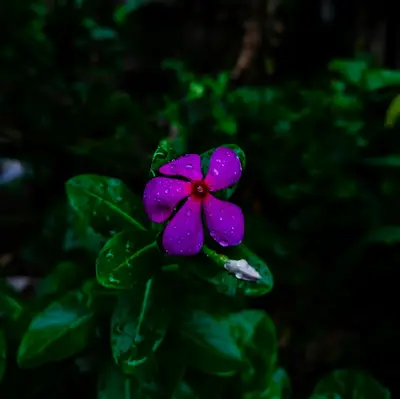
Audray Purple-Red is very similar to QIS™ Purple in terms of productivity and the bloom color is identical. Slightly later to flower and taller than QIS Purple.1 1/2" blooms. Also known as globe amaranth and common globe amaranth.
Harvest
95-110d
Days to harvest
Sun
Full sun to partial shade
Zones
2–11
USDA hardiness
Height
12-24 inches
Planting Timeline
Showing dates for Audray Purple-Red in USDA Zone 7
All Zone 7 flower →Zone Map
Click a state to update dates
Audray Purple-Red · Zones 2–11
Growing Details
Succession Planting
Gomphrena blooms continuously from a single sowing once it gets going, so strict succession planting isn't necessary. If you're growing Audray for cut flowers and want a staggered harvest window, direct sow a second round 3–4 weeks after your first, but stop by late June in zone 7 — plants started after that won't clear the 95–110 day mark before frost shuts things down. Start seeds indoors in February or March at a soil temperature around 70°F; expect germination in 7–14 days. Drop below that temperature range and germination gets patchy and drags on for weeks.
Complete Growing Guide
Audray Purple-Red is very similar to QIS™ Purple in terms of productivity and the bloom color is identical. Slightly later to flower and taller than QIS Purple.1 1/2" blooms. Also known as globe amaranth and common globe amaranth. According to Johnny's Selected Seeds, Audray Purple-Red is 95 - 110 days to maturity, annual, open pollinated. Notable features: Grows Well in Containers, Use for Cut Flowers and Bouquets, Ideal for Drying and Crafts.
Light: Full sun (6 or more hours of direct sunlight a day), Partial Shade (Direct sunlight only part of the day, 2-6 hours). Drainage: Good Drainage, Occasionally Dry. Height: 1 ft. 0 in. - 2 ft. 0 in.. Spread: 0 ft. 6 in. - 1 ft. 0 in.. Spacing: Less than 12 inches. Growth rate: Medium. Maintenance: Low. Propagation: Seed. Regions: Coastal, Mountains, Piedmont.
Harvesting
Audray Purple-Red reaches harvest at 95 - 110 days from sowing per Johnny's Selected Seeds. Expect 1 1/2" at peak. As an annual, harvest continues until frost ends the season.
This is an ornamental variety — not grown for harvest. Enjoy in the garden landscape.
Storage & Preservation
Audray Purple-Red blooms can be stored fresh by placing stems in a vase with clean water at room temperature (65-72°F) away from direct sunlight. Change water every 2-3 days for optimal longevity; stems typically last 10-14 days. For preservation, dry flowers by hanging bundles upside-down in a warm, dark, well-ventilated area for 2-3 weeks. Alternatively, press flowers between newspaper and heavy books for 2-4 weeks for flat-dried arrangements. Silica gel drying offers rapid preservation in 3-5 days while maintaining vibrant purple-red color.
History & Origin
Audray Purple-Red is open-pollinated, meaning seed saved from healthy plants will produce true-to-type offspring. Listed in the Johnny's Selected Seeds catalog.
Origin: Mexico to Brazil
Advantages
- +Produces abundant blooms comparable to QIS Purple productivity levels
- +Distinctive purple-red flowers remain identical in color to QIS Purple
- +Grows taller than QIS Purple for improved garden visibility
- +Blooms reliably within 95-110 days for predictable flowering timing
- +Extremely easy to grow making it ideal for beginners
Considerations
- -Flowers slightly later than QIS Purple delaying bloom season onset
- -Excessive height may require staking or support in windy conditions
- -Gomphrena susceptible to root rot in poorly draining wet soil
Companion Plants
Marigolds (Tagetes spp.) and Salvia are the most useful neighbors — marigolds deter whiteflies and root-knot nematodes through root exudates, while Salvia pulls in pollinators that also work gomphrena's clover-like heads. Sweet Alyssum stays low at 6–8 inches and doesn't compete for light; its small flowers attract parasitic wasps that keep aphid counts down. Skip planting near Black Walnut — the juglone leaching from its roots can stunt or kill nearby annuals — and give Eucalyptus a wide berth too, since its allelopathic compounds suppress germination and establishment in surrounding plants.
Plant Together
Marigolds
Repel nematodes, aphids, and other pests while attracting beneficial insects
Sweet Alyssum
Attracts beneficial insects like lacewings and provides ground cover to retain soil moisture
Nasturtiums
Act as trap crops for aphids and cucumber beetles while repelling squash bugs
Zinnia
Attracts butterflies and beneficial pollinators, extends bloom season
Lavender
Repels moths, fleas, and mosquitoes while attracting bees and butterflies
Catmint
Deters ants, aphids, and rodents while attracting beneficial pollinators
Cosmos
Attracts beneficial insects and provides habitat for predatory insects
Salvia
Repels pests and attracts hummingbirds and beneficial pollinators
Keep Apart
Black Walnut
Produces juglone toxin that inhibits growth and can kill sensitive flowering plants
Eucalyptus
Releases allelopathic compounds that suppress growth of nearby plants
Sunflowers
Release allelopathic chemicals and compete aggressively for nutrients and water
Troubleshooting Audray Purple-Red
What you'll see, why it happens, and what to do about it.
Seedlings collapsing at the soil line, stems look pinched or water-soaked at the base
Likely Causes
- Damping off (Pythium or Rhizoctonia spp.) — triggered by wet, poorly drained seed-starting mix
- Overwatering during germination, especially in low-light conditions indoors
What to Do
- 1.Toss the affected seedlings and any visibly wet mix around them — they won't recover
- 2.Water only when the top of the mix is dry, and bottom-water rather than pouring over the top
- 3.Use a sterile, well-draining seed-starting medium and make sure trays aren't sitting in standing water
Leaves developing powdery white coating, usually on upper leaf surfaces, in mid to late summer
Likely Causes
- Powdery mildew (Erysiphe spp.) — more common in humid conditions with poor airflow
- Plants spaced too close together, especially under 12 inches apart
What to Do
- 1.Space plants at least 12 inches apart — 18 is better if your summers are humid
- 2.Apply a dilute baking soda solution (1 tablespoon per gallon of water) or a potassium bicarbonate fungicide at first sign
- 3.Avoid overhead irrigation in the evening; water at the base in the morning
Distorted or curled new leaves; small clusters of soft-bodied insects visible on stems or leaf undersides, growth noticeably stunted
Likely Causes
- Aphid infestation (likely Myzus persicae or Aphis gossypii) — common on overfertilized plants pushing soft new growth
- Excess nitrogen making foliage more attractive to feeding insects
What to Do
- 1.Knock aphids off with a firm stream of water — do this in the morning so foliage dries quickly
- 2.Spray with insecticidal soap if populations are heavy; coat the undersides of leaves, not just the tops
- 3.Cut back on nitrogen — gomphrena is a light feeder and doesn't need much pushing
No blooms by day 100+, plants look healthy and leafy but flower heads aren't forming
Likely Causes
- Insufficient sun — Audray Purple-Red needs at least 6 hours of direct light to bloom reliably
- Overly rich soil or high-nitrogen fertilizer pushing vegetative growth instead of flowers
- Late transplanting — plants that went in after mid-May in zone 7 can run out of warm-season days before hitting 95–110 days to flower
What to Do
- 1.Move container plants to a sunnier spot; if in-ground, mark the location and plan to relocate next season
- 2.Skip high-nitrogen formulas once plants are established — a balanced 10-10-10 at transplant is enough for the season
- 3.Pinch off any developing but stalled heads to redirect the plant's energy toward new flower stems
Frequently Asked Questions
How long do Audray Purple-Red blooms last in a vase?▼
Can you grow Audray Purple-Red in containers?▼
When should I plant Audray Purple-Red seeds?▼
Is Audray Purple-Red good for beginners?▼
What's the difference between Audray Purple-Red and QIS Purple?▼
How far apart should Audray Purple-Red plants be spaced?▼
Zone-by-Zone Planting Calendar
| Zone | Indoor Start | Transplant | Direct Sow | Harvest |
|---|---|---|---|---|
| Zone 1 | May – June | July – August | July – September | — |
| Zone 2 | April – May | June – July | June – August | — |
| Zone 11 | January – January | January – February | January – March | — |
| Zone 12 | January – January | January – February | January – March | — |
| Zone 13 | January – January | January – February | January – March | — |
| Zone 3 | April – May | June – July | June – August | — |
| Zone 4 | March – April | June – June | June – July | — |
| Zone 5 | March – April | May – June | May – July | — |
| Zone 6 | March – April | May – June | May – July | — |
| Zone 7 | February – March | April – May | April – June | — |
| Zone 8 | February – March | April – May | April – June | — |
| Zone 9 | January – February | March – April | March – May | — |
| Zone 10 | January – January | February – March | February – April | — |
Growing Guides from Wind River Greens
Sources & References
External authority sources used in compiling this guide.
- BreederJohnny's Selected Seeds
See the Methodology page for how this data is sourced, what's AI-assisted, and known limitations.