Snowbird
Pisum sativum var. saccharatum 'Snowbird'
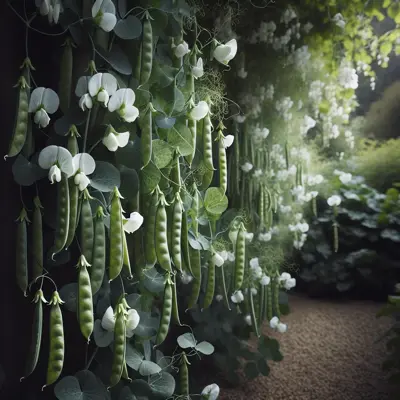
A beautiful snow pea variety with pure white flowers that develop into tender, flat pods perfect for stir-fries and fresh eating. This compact climbing variety is not only productive but also ornamental, making it perfect for edible landscapes or gardeners who want both beauty and bounty. Snowbird's crisp texture and sweet flavor make it a favorite for Asian cuisine and fresh snacking.
Harvest
60-65d
Days to harvest
Sun
Full sun to partial shade
Zones
2–11
USDA hardiness
Height
12-18 inches
Planting Timeline
Showing dates for Snowbird in USDA Zone 7
All Zone 7 pea →Zone Map
Click a state to update dates
Snowbird · Zones 2–11
Growing Details
Succession Planting
In zone 7, direct sow Snowbird every 14 days starting around March 1, as soon as soil temperature hits 45°F. You can keep going through early April, but stop by April 15 — once daytime highs are consistently reaching 75-80°F, pod quality drops fast and powdery mildew moves in hard. That gives you two to three successions for a spring run, which is about all you'll squeeze in before the heat shuts things down.
A fall run is worth trying. Start a succession around September 1 and again September 15 — Snowbird's 60-65 days to harvest puts you at picking right around the first frost window, so check your local frost dates and plan the last sow accordingly. Fall peas in the southeast often outperform spring ones because the pest and disease pressure is lower after summer annual cycles wind down.
Complete Growing Guide
Start preparing your Snowbird pea bed in late winter by working 2-3 inches of compost into the top 8 inches of soil. These vigorous climbers thrive in slightly alkaline soil (pH 6.5-7.0), so add lime if your soil test shows acidity. Choose a spot with morning sun and afternoon protection in zones 8-9, or full sun in cooler regions.
Direct sow Snowbird seeds 2-4 weeks before your last frost date when soil temperature reaches 45°F. In zones 3-6, this typically falls in early to mid-March. Plant seeds 2 inches deep and 3 inches apart in double rows spaced 6 inches apart. Soak seeds overnight in lukewarm water to speed germination, but avoid soaking cracked or damaged seeds as they'll rot.
Install your support structure before planting—Snowbird reaches 5-6 feet tall and needs sturdy trellising. Use 6-foot stakes with horizontal wires every 18 inches, or install a mesh trellis. The white flowers are heavy when wet, so ensure your structure can handle wind load.
Fertilize sparingly with Snowbird peas. Apply a balanced 10-10-10 fertilizer at planting, then switch to low-nitrogen fertilizer once flowering begins—too much nitrogen reduces pod production. Side-dress with compost when plants reach 12 inches tall.
Water consistently but avoid overhead watering once flowering starts, as wet flowers can lead to poor pod set. Mulch around plants with 2 inches of straw to maintain soil moisture and prevent root rot. In hot climates, afternoon shade cloth extends the harvest season.
Avoid common mistakes: don't transplant Snowbird (peas hate root disturbance), don't work wet soil around plants (compacts easily), and don't harvest pods when plants are wet (spreads disease). Train young vines gently onto supports using soft ties—never force them as stems break easily.
For maximum yield, harvest pods daily once production begins. This signals the plant to keep flowering rather than setting seed. In zones 7-9, make a second planting 4-6 weeks after the first for fall harvest.
Harvesting
Harvest Snowbird pods 60-65 days from planting when they're flat, bright green, and 3-4 inches long. The pods should feel crisp and snap easily when bent—if they're limp or the peas inside are bulging, you've waited too long for optimal snow pea quality. Test readiness by gently bending a pod; it should break cleanly without strings.
Harvest in the cool morning hours when pods are fully hydrated and crisp. Hold the vine steady with one hand and pinch the stem just above the pod with your thumbnail and forefinger. Never pull pods directly as this can damage the plant and reduce future production.
Check plants daily once harvest begins—Snowbird produces continuously for 3-4 weeks when picked regularly. Pods can go from perfect to overmature in just 2-3 days in warm weather. The pure white flowers that give Snowbird its name will continue appearing as long as you keep harvesting. Stop picking to let pods mature if you want to save seeds for next season.
Storage & Preservation
Fresh Snowbird pods maintain peak quality for 5-7 days when stored in perforated plastic bags in the refrigerator crisper at 32-40°F with high humidity. Don't wash pods before storing—moisture accelerates decay. For best texture, use within 3 days of harvest.
Freeze Snowbird pods by blanching in boiling water for 2 minutes, then plunging into ice water. Drain thoroughly and package in freezer bags—frozen pods maintain quality for 8 months and work perfectly in stir-fries. Unlike shelling peas, snow peas don't require special freezing techniques since you eat the entire pod.
Dehydrate pods at 125°F for 8-10 hours until crisp for winter soups and stews. Pickled snow pea pods make an excellent garnish—pack blanched pods in rice vinegar with ginger and garlic. Properly canned pickled pods keep for up to one year and maintain their crunch better than most vegetables.
History & Origin
Snowbird represents a relatively recent development in snow pea breeding, created specifically for ornamental edible gardens in the late 1990s. Traditional Asian snow pea varieties typically produce purple or pink flowers, but Snowbird was bred to combine the classic flat-podded snow pea characteristics with pure white blooms that wouldn't clash with formal garden designs.
This hybrid variety emerged from breeding programs focused on dual-purpose vegetables—crops that could serve both culinary and ornamental functions as interest in edible landscaping grew in North American suburbs. The developers selected for compact growth habit, extended flowering period, and disease resistance while maintaining the crisp texture and sweet flavor essential for Asian cuisine.
Snowbird's creation reflects the broader trend toward 'beautiful food gardens' that gained momentum in the 1990s and 2000s. Unlike heritage varieties developed purely for production, modern hybrids like Snowbird acknowledge that many home gardeners want vegetables that enhance rather than detract from their landscape design. The white flowers also made it popular among gardeners creating moon gardens or white-themed plantings.
Advantages
- +Pure white flowers provide exceptional ornamental value while producing edible pods
- +Compact 5-6 foot height fits smaller gardens better than traditional 8-foot varieties
- +Strong resistance to pea enation mosaic virus prevents the leaf curling that destroys harvests
- +Pods maintain crisp texture longer than most snow peas, giving 5-7 day harvest window
- +Continuous flowering for 3-4 weeks with daily harvesting extends season significantly
- +Excellent performance in partial shade allows growing in spots too dim for other peas
- +Pods freeze exceptionally well without blanching, maintaining crunch in stir-fries
Considerations
- -Hybrid variety means you cannot save seeds for next year's planting
- -White flowers show dirt and pollen stains more readily than colored blooms
- -Higher seed cost compared to open-pollinated snow pea varieties
- -Requires sturdy staking due to heavy flower and pod load on compact frame
- -More susceptible to aphid damage on tender growing tips than tougher heirloom varieties
Companion Plants
Carrots, lettuce, spinach, and radishes are the most practical companions for Snowbird in a small bed. They occupy different root depths — radishes and lettuce stay shallow, while Snowbird's roots push 12-18 inches down — so they're not competing for the same moisture or nutrients. Spinach and lettuce also handle the partial shade a row of peas casts, which matters in our zone 7 Georgia garden once April temperatures start climbing past 70°F. Chives and marigolds planted at the bed edges can slow aphid pressure; marigolds have a solid track record against soil nematodes when planted densely, though Snowbird's 60-65 day season means you'd want them established before the peas go in.
Keep onions and garlic out of this bed entirely. Alliums release sulfur compounds that inhibit the Rhizobium bacteria living on pea roots — the same bacteria responsible for nitrogen fixation, which is most of the soil-building value you get from growing legumes in the first place. Gladiolus shares several fungal pathogens with peas, Fusarium among them, so putting them together just concentrates that risk in one spot.
Plant Together
Carrots
Peas add nitrogen to soil that carrots need, carrots help break up soil for pea roots
Lettuce
Benefits from nitrogen fixed by peas, provides ground cover and shade for pea roots
Spinach
Utilizes nitrogen from peas, shallow roots don't compete with pea root system
Radishes
Quick harvest before peas need space, helps loosen soil and may deter pea root maggots
Mint
Repels ants and rodents that may eat pea seeds, deters aphids and flea beetles
Chives
Repels aphids and other soft-bodied insects that attack peas
Marigolds
Repel aphids, whiteflies, and nematodes that can damage pea plants
Nasturtiums
Act as trap crop for aphids and cucumber beetles, climbing varieties provide companion support
Keep Apart
Onions
May inhibit pea growth and nitrogen fixation through root secretions
Garlic
Can stunt pea growth and interfere with beneficial rhizobia bacteria on pea roots
Gladiolus
Competes heavily for nutrients and may harbor thrips that damage pea pods
Nutrition Facts
Per 100g serving. % Daily Value based on 2,000 calorie diet. Source: USDA FoodData Central (FDC #170419)
Pests & Disease Resistance
Resistance
Good resistance to pea enation mosaic virus and powdery mildew
Common Pests
Aphids, spider mites, pea weevils
Diseases
Powdery mildew, fusarium wilt, root rot
Troubleshooting Snowbird
What you'll see, why it happens, and what to do about it.
White powdery coating on upper leaf surfaces, usually showing up as temperatures warm in late spring
Likely Causes
- Powdery mildew — a fungal disease that spreads by airborne spores during warm, dry days with cool nights
- Dense planting that restricts airflow between plants
What to Do
- 1.Pull and trash any heavily coated leaves; don't compost them
- 2.Space plants at least 3-4 inches apart and avoid overhead watering in the evening
- 3.Accept that late-planted Snowbird — anything going in after mid-April in zone 7 — is likely to hit mildew before the crop finishes; earlier sowing is the real fix
Plants wilting and yellowing from the base up, roots showing brown or orange discoloration when you pull one
Likely Causes
- Fusarium wilt (Fusarium oxysporum f. sp. pisi) — a soil-borne fungus that persists for years
- Root rot from Pythium or Aphanomyces spp., usually triggered by waterlogged or cold, wet soil at planting
What to Do
- 1.Pull affected plants immediately; don't leave them to sporulate in the bed
- 2.Rotate peas out of any bed that's had this problem for at least 3 seasons — NC State Extension's disease management guidance is consistent on this point for soil-borne pathogens
- 3.Don't direct sow into soil below 45°F; cold wet conditions are the main trigger for root rot in young seedlings
Curled, sticky shoot tips with a shiny residue on leaves below; plants look stunted in early growth
Likely Causes
- Pea aphid (Acyrthosiphon pisum) colonies clustering at growing tips
- Ants farming aphids, actively protecting them from predators
What to Do
- 1.Knock aphids off with a firm spray of water from a hose — repeat every 2-3 days until pressure drops
- 2.For heavy infestations, apply insecticidal soap directly to the colonies, covering the undersides of leaves
- 3.Check for ant trails at the base of the plant and disrupt them — controlling ants often lets lacewings and parasitic wasps move in and finish the job
Frequently Asked Questions
How long does Snowbird pea take to grow?▼
Can you grow Snowbird peas in containers?▼
Is Snowbird pea good for beginners?▼
What does Snowbird pea taste like?▼
When should I plant Snowbird peas?▼
Do Snowbird peas need full sun?▼
Zone-by-Zone Planting Calendar
| Zone | Indoor Start | Transplant | Direct Sow | Harvest |
|---|---|---|---|---|
| Zone 1 | — | — | June – July | August – September |
| Zone 2 | — | — | May – July | July – September |
| Zone 11 | — | — | January – February | February – December |
| Zone 12 | — | — | January – February | February – December |
| Zone 13 | — | — | January – February | February – December |
| Zone 3 | — | — | May – June | July – October |
| Zone 4 | — | — | April – June | June – October |
| Zone 5 | — | — | April – May | June – November |
| Zone 6 | — | — | April – May | June – November |
| Zone 7 | — | — | March – May | May – November |
| Zone 8 | — | — | March – April | May – December |
| Zone 9 | — | — | February – March | April – December |
| Zone 10 | — | — | January – March | March – December |
Growing Guides from Wind River Greens
Sources & References
External authority sources used in compiling this guide.
See the Methodology page for how this data is sourced, what's AI-assisted, and known limitations.