Japanese Yew
Taxus cuspidata
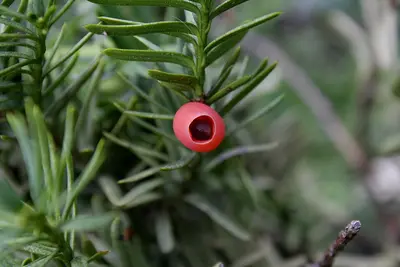
The ultimate low-maintenance evergreen that thrives in challenging conditions where other shrubs fail. This adaptable workhorse tolerates deep shade, urban pollution, and heavy pruning, making it ideal for foundation plantings and formal hedges. Its dense, dark green needle foliage provides year-round structure and serves as the perfect backdrop for flowering plants.
Sun
Full sun to partial shade
Zones
4–7
USDA hardiness
Height
10-25 feet
Planting Timeline
Showing dates for Japanese Yew in USDA Zone 7
All Zone 7 shrub →Zone Map
Click a state to update dates
Japanese Yew · Zones 4–7
Growing Details
Complete Growing Guide
Light: Dappled Sunlight (Shade through upper canopy all day), Full sun (6 or more hours of direct sunlight a day), Partial Shade (Direct sunlight only part of the day, 2-6 hours). Soil: Loam (Silt), Sand. Soil pH: Acid (<6.0), Neutral (6.0-8.0). Drainage: Good Drainage, Moist, Occasionally Dry. Height: 10 ft. 0 in. - 25 ft. 0 in.. Spread: 5 ft. 0 in. - 10 ft. 0 in.. Spacing: 6-feet-12 feet. Growth rate: Rapid. Maintenance: Low. Regions: Coastal, Mountains, Piedmont.
Harvesting
The red arils, in small amounts, are edible. The green seed is toxic.
Color: Red/Burgundy. Type: Berry. Length: < 1 inch. Width: < 1 inch.
Garden value: Showy
Harvest time: Fall
Edibility: Bark, leaves, seed pit (red, fleshy surrounding part, called the aril, is OK to eat)
Storage & Preservation
Japanese Yew is an ornamental shrub and does not require storage or preservation like edible crops. For transplants or cuttings, store in a cool, humid location (50-60°F) with indirect light until planting. Keep soil consistently moist but not waterlogged. Preservation methods include: (1) Hardwood cuttings propagated in fall and stored in cool conditions over winter before spring planting; (2) Semi-hardwood cuttings taken in summer, rooted in moist propagation medium, and kept in humid nursery conditions; (3) Layering branches in soil to develop roots before severing from parent plant.
History & Origin
Origin: Korea, China, Russia and Japan
Advantages
- +Attracts: Songbirds
- +Edible: Bark, leaves, seed pit (red, fleshy surrounding part, called the aril, is OK to eat)
- +Fast-growing
- +Low maintenance
Considerations
- -Toxic (Bark, Leaves, Seeds): High severity
Companion Plants
The beneficial companions here — Astilbe, Hostas, Ferns, and Heuchera — work with Japanese Yew for a simple structural reason: they're all shade-tolerant understory plants that don't need the light a mature yew increasingly monopolizes. Rather than fighting the dense canopy, they fill in underneath it. Rhododendrons, Azaleas, and Mountain Laurel bring a different kind of compatibility — their preferred soil pH of 6.0–6.5 overlaps almost exactly with what yew wants, so they can share a bed without one pulling the chemistry in a direction that disadvantages the other. In our zone 7 Georgia gardens, pairing yew with Camellia makes particular sense: both handle the occasional hard freeze that catches gardeners off guard in January, and both settle into the same dappled light under a canopy of larger hardwoods.
Black Walnut is the companion to keep well away — not because of any competition for water or nutrients, but because Juglans nigra produces juglone, a compound that leaches from its roots and decomposing hulls and is toxic to a wide range of woody plants. Yew is sensitive enough that a slow decline near a walnut is easy to misread as a watering problem or root rot. Lavender and Roses are a different issue: both prefer full sun and alkaline, sharply drained soil, which puts them at odds with what yew actually wants. There's no chemical antagonism between them — the incompatibility is purely practical. One of them will be unhappy, and it won't take long to see which one.
Plant Together
Astilbe
Enjoys same acidic soil conditions and adds seasonal color contrast
Rhododendrons
Share similar acidic soil preferences and shade tolerance
Ferns
Complement the evergreen texture and thrive in similar moist, shaded conditions
Heuchera
Provides colorful ground cover in partial shade with similar soil needs
Azaleas
Both are acid-loving shrubs that create layered woodland garden appeal
Camellia
Shares preference for acidic, well-draining soil and partial shade
Mountain Laurel
Compatible evergreen that enjoys similar acidic soil and filtered light
Hostas
Thrive in similar partial shade conditions and complement the evergreen foliage
Keep Apart
Black Walnut
Produces juglone which is toxic to many plants including yews
Roses
Require different soil pH and full sun conditions that conflict with yew preferences
Lavender
Requires alkaline, well-draining soil and full sun, opposite of yew needs
Pests & Disease Resistance
Resistance
Excellent disease resistance, very hardy
Common Pests
Scale insects, mealybugs, spider mites
Diseases
Root rot in waterlogged soils, twig blight
Troubleshooting Japanese Yew
What you'll see, why it happens, and what to do about it.
Needles turning yellow or brown from the inside out, branches dying back in sections, white or waxy crust visible on stems
Likely Causes
- Scale insects (particularly Fletcher scale or taxus scale) — they cluster on stems and feed on sap, often going unnoticed until the infestation is heavy
- Mealybugs, which leave a similar cottony residue near branch joints
What to Do
- 1.Scrub visible scale off stems with a stiff brush and a diluted isopropyl alcohol solution (70% alcohol, applied with a rag or cotton swab on smaller infestations)
- 2.Apply horticultural oil — dormant-season application in late winter, before new growth, is most effective; coat all stem surfaces thoroughly
- 3.Cut out and bag any dead or heavily infested branches; don't compost them
Entire shrub wilting despite adequate rainfall, needles turning reddish-brown starting at the base of the plant, soil smells musty or sour near the root zone
Likely Causes
- Phytophthora root rot — a water mold that thrives in poorly drained or compacted soil; Taxus is notably susceptible and rarely recovers once it's established
- Planting in a low spot that holds water after rain
What to Do
- 1.Dig down and check the roots — healthy roots are white and firm; rotted roots are brown, soft, and pull apart easily. If more than half the root system is gone, the plant is almost certainly a loss
- 2.Before replanting, amend with coarse grit or pine bark, raise the bed 4–6 inches, or move to a slope with natural drainage
- 3.Ease off supplemental water once the plant is settled in — established yews past their first season need far less irrigation than most people give them
Frequently Asked Questions
Is Japanese Yew good for beginners and low-maintenance gardeners?▼
Can you grow Japanese Yew in containers?▼
When should I plant Japanese Yew?▼
How much sun does Japanese Yew need to grow?▼
How fast does Japanese Yew grow?▼
What pests commonly affect Japanese Yew?▼
Zone-by-Zone Planting Calendar
Growing Guides from Wind River Greens
Sources & References
External authority sources used in compiling this guide.
- ExtensionNC State Extension
See the Methodology page for how this data is sourced, what's AI-assisted, and known limitations.