Hazelnut (Ennis)
Corylus avellana 'Ennis'
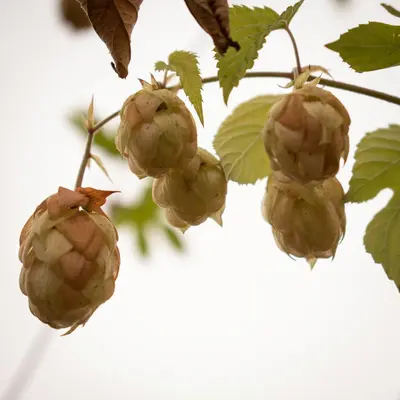
A late-season European hazelnut variety prized for producing large, round nuts with excellent flavor and easy shell removal. Developed in Oregon, Ennis is one of the most reliable producers for home orchards, consistently delivering heavy crops of premium quality nuts. This variety ripens later than most hazelnuts, extending the harvest season into October.
Harvest
150-170d
Days to harvest
Sun
Full sun to partial shade
Zones
4–8
USDA hardiness
Height
12-20 feet
Planting Timeline
Showing dates for Hazelnut (Ennis) in USDA Zone 7
All Zone 7 nut-tree →Zone Map
Click a state to update dates
Hazelnut (Ennis) · Zones 4–8
Growing Details
Complete Growing Guide
The Ennis hazelnut's late ripening cycle—extending into October—means you should delay harvesting until nuts drop naturally rather than picking prematurely, ensuring maximum flavor development and easier shell removal that distinguishes this cultivar. Plant in full sun with well-draining soil and provide cross-pollination from a compatible hazelnut variety, as Ennis cannot self-pollinate. This variety shows moderate susceptibility to eastern filbert blight in humid regions, so ensure excellent air circulation through careful pruning and avoid overhead irrigation that promotes fungal conditions. Unlike many nut trees, Ennis demonstrates consistent productivity in home orchards without requiring extensive thinning, though removing lower branches improves airflow and harvest accessibility. The practical advantage: regularly monitor for the small shot-hole lesions of blight starting in spring, removing affected branches immediately to prevent spread and preserve future yields.
Light: Full sun (6 or more hours of direct sunlight a day), Partial Shade (Direct sunlight only part of the day, 2-6 hours). Soil: High Organic Matter, Loam (Silt), Shallow Rocky. Soil pH: Alkaline (>8.0), Neutral (6.0-8.0). Drainage: Good Drainage, Moist. Height: 12 ft. 0 in. - 20 ft. 0 in.. Spread: 8 ft. 0 in. - 15 ft. 0 in.. Spacing: 6-feet-12 feet. Maintenance: Low. Propagation: Layering, Root Cutting, Seed. Regions: Coastal, Mountains, Piedmont.
Harvesting
Ennis hazelnuts reach peak harvest readiness when the husks transition from green to brown and the nuts develop a smooth, hard shell that resists gentle pressure from your fingers. The nuts will naturally drop from the tree starting in late September through October, signaling their maturity. Rather than attempting a single harvest, collect nuts continuously as they fall, checking your trees every few days to gather mature nuts before wildlife discovers them. A practical timing tip: wait until at least 80 percent of the husks have darkened to brown before beginning regular collection, as this indicates the kernel has fully developed and will shell cleanly without requiring extended drying time.
The fruit, in the form of a nut, is enclosed by a short leafy involucre, or husk. They appear in clusters of 1 to 5 and are released from the husk in late summer when the nut has ripened. The rounded nuts are about 1" in diameter.
Color: Brown/Copper, Gold/Yellow. Type: Nut. Length: 1-3 inches. Width: 1-3 inches.
Garden value: Edible, Showy
Harvest time: Fall, Summer
Edibility: Hazelnuts (cobnuts) are edible, and this plant is used in the production of these nuts.
Storage & Preservation
Freshly harvested Ennis hazelnuts keep best in cool, dry conditions between 32–50°F with moderate humidity around 60–70%. Store them in mesh bags or breathable containers to prevent moisture buildup and mold; avoid sealed plastic. Properly dried nuts in their shells maintain quality for 6–12 months, while shelled kernels deteriorate faster due to exposed oils, typically lasting 3–4 months when refrigerated.
For longer storage, freeze shelled kernels in airtight containers or vacuum-sealed bags at 0°F or below; they'll stay fresh for up to two years. Roasting hazelnuts before storage extends flavor complexity and slightly improves shelf life by reducing moisture content. You can also dry excess nuts further in a low oven at 200°F for 30 minutes to boost preservation.
Ennis hazelnuts develop superior flavor depth when allowed to cure for 2–3 weeks after harvest before roasting or processing, so resist the urge to use them immediately for best results in butter or confections.
History & Origin
Developed in Oregon during the latter half of the twentieth century, Ennis represents a deliberate breeding effort to improve hazelnut production for commercial and home orchard use in North America. While specific breeder names and exact development dates remain somewhat obscured in readily available horticultural records, Ennis emerged from established European hazelnut germplasm, likely selections from the Barcelona or similar late-season cultivars. The variety was introduced through Oregon State University's hazelnut research program, which has long been central to American hazelnut breeding. Ennis gained recognition for superior productivity and nut quality compared to earlier introductions, becoming a cornerstone variety for Oregon's hazelnut industry.
Origin: Europe and Western Asia
Advantages
- +Produces large, round nuts with excellent flavor and easy shell removal
- +One of the most reliable and consistent heavy crop producers for home orchards
- +Late-season ripening extends harvest into October, offering unique timing advantage
- +Rich, buttery, sweet flavor with mild earthy undertones appeals to most palates
- +Easy to moderate difficulty makes Ennis suitable for novice and experienced growers
Considerations
- -Susceptible to Eastern filbert blight, a serious fungal disease requiring management
- -Multiple pest threats including filbert worm, weevil, aphids, and spider mites require monitoring
- -Later ripening season means longer wait before harvesting premium nuts
- -Requires compatible pollinator variety nearby for reliable nut set and production
Companion Plants
Comfrey is probably the most useful plant you can grow near an Ennis hazelnut. Its taproot can reach 6 feet down, pulling up calcium and potassium that a shallow-mulched hazelnut bed won't otherwise access. Cut the leaves and drop them in place; they break down fast and feed the soil without competing for the same root zone. White clover kept as a living groundcover under the drip line fixes nitrogen at no cost and suppresses weeds without the soil chemistry problems you'd get from a grass monoculture.
Chives and yarrow near the base draw in predatory wasps and hoverflies that knock back aphid populations before they get out of hand. Lavender may help deter aphids and spider mites directly — its volatile oils are cited by several extension sources as mildly repellent to soft-bodied insects. None of these companions eliminates pest pressure, but layering two or three of them around the base is better than bare soil by a fair margin.
Black walnut is a hard no. Juglone — the allelopathic compound Juglans nigra produces — leaches through the soil up to 60 feet from the trunk and stunts or kills a wide range of woody plants. Hazelnuts are sensitive to it; Oregon State University extension lists Corylus species among the susceptible. Fennel causes similar problems through allelopathic root exudates and isn't worth the risk near a tree you're already waiting 4-5 years to fruit.
Plant Together
Comfrey
Deep taproot brings nutrients to surface, leaves make excellent mulch and fertilizer
Clover
Nitrogen-fixing legume improves soil fertility and provides ground cover
Chives
Repels aphids and other pests while attracting beneficial insects
Lavender
Deters rodents and insects while attracting pollinators essential for nut production
Elderberry
Compatible growth habit, attracts beneficial insects, and provides wildlife habitat
Yarrow
Accumulates nutrients, improves soil health, and attracts beneficial predatory insects
Wild Bergamot
Attracts native pollinators and beneficial insects while tolerating partial shade
Fescue Grass
Provides erosion control and living mulch without competing heavily for nutrients
Keep Apart
Black Walnut
Produces juglone which is toxic to many plants and can inhibit hazelnut growth
Pine Trees
Acidifies soil significantly and creates dense shade that reduces nut production
Fennel
Allelopathic compounds inhibit growth of nearby plants including young hazelnut trees
Nutrition Facts
Per 100g serving. % Daily Value based on 2,000 calorie diet. Source: USDA FoodData Central (FDC #2515375)
Pests & Disease Resistance
Resistance
Susceptible to eastern filbert blight, good resistance to bacterial blight
Common Pests
Filbert worm, aphids, spider mites, filbert weevil
Diseases
Eastern filbert blight, bacterial blight, crown rot
Troubleshooting Hazelnut (Ennis)
What you'll see, why it happens, and what to do about it.
Dark, sunken cankers spreading along branches, with orange-brown spore pustules visible in late summer or fall
Likely Causes
- Eastern filbert blight (Anisogramma anomala) — a fungal canker disease that can kill entire branches within 2-3 seasons if unchecked
- Poor airflow from dense planting or unpruned interior canopy
What to Do
- 1.Prune out all infected wood at least 12 inches below the visible canker edge and burn or bag it — don't compost it
- 2.Apply a copper-based fungicide in early spring as buds swell, before spores release; repeat every 10-14 days through bloom
- 3.Space trees the full 15-20 feet apart and prune for an open vase shape to get air moving through the canopy
Nuts with a small, clean entry hole and a hollowed-out or wormy kernel at harvest
Likely Causes
- Filbert weevil (Curculio occidentis) — female weevils bore into developing nuts in mid-summer to lay eggs
- Filbert worm (Cydia latiferreana) — larvae tunnel into nuts from late spring onward
What to Do
- 1.Collect and destroy any fallen nuts immediately; larvae overwinter in dropped nuts on the ground
- 2.Lay a tarp under the canopy and shake the tree in early morning to dislodge adult weevils before they lay eggs
- 3.If pressure is severe, a spinosad-based spray applied at petal fall and repeated at 14-day intervals can reduce larval entry
Frequently Asked Questions
How long does it take Ennis hazelnut to produce nuts?▼
Is Ennis hazelnut a good choice for beginner growers?▼
How much sunlight does Ennis hazelnut need?▼
What does Ennis hazelnut taste like?▼
When should I plant Ennis hazelnut trees?▼
What pests affect Ennis hazelnut and how do I manage them?▼
Zone-by-Zone Planting Calendar
Growing Guides from Wind River Greens
Sources & References
External authority sources used in compiling this guide.
See the Methodology page for how this data is sourced, what's AI-assisted, and known limitations.