Survivor
Pisum sativum 'Survivor'
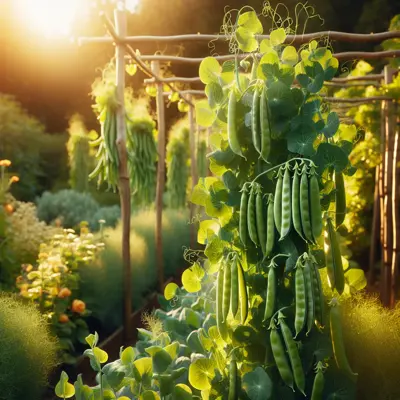
A remarkable heat-tolerant pea variety that extends the growing season well into summer when other peas have long given up. Developed for its ability to withstand challenging conditions, Survivor produces sweet, tender snap peas even in warm weather. This vigorous climber is perfect for gardeners who want fresh peas throughout the summer months.
Harvest
70-75d
Days to harvest
Sun
Full sun to partial shade
Zones
2–11
USDA hardiness
Height
12-18 inches
Planting Timeline
Showing dates for Survivor in USDA Zone 7
All Zone 7 pea →Zone Map
Click a state to update dates
Survivor · Zones 2–11
Growing Details
Succession Planting
Direct sow Survivor every 14–21 days starting as soon as soil hits 45°F in late winter, through early May in zone 7 — that typically gets you 2 to 3 plantings before heat shuts things down. Stop sowing once daytime highs are consistently above 80°F; pod set drops off sharply at that point, and Erysiphe pisi pressure climbs fast once nights stay warm. For a fall run, sow again in late August or early September as temperatures drop back through the 70s, but count backward from your average first frost date before you do — Survivor needs 70–75 days, so a late October frost means your last sowing goes in no later than mid-August.
Complete Growing Guide
You'll have the most success with Survivor peas by preparing your soil weeks before planting. Work in 2-3 inches of compost and ensure your pH sits between 6.0-7.0. Unlike most peas that struggle once temperatures hit 75°F, Survivor thrives in heat, so don't worry about late spring plantings.
Direct sow your seeds 1-2 inches deep and 2-3 inches apart in early spring, then make a second planting in mid-summer for fall harvest. Skip starting indoors—peas transplant poorly and direct sowing gives stronger plants. In zones 3-5, plant 4-6 weeks before your last frost. In zones 6-8, you can plant as late as July for a fall crop, which is where Survivor truly shines.
Install your trellis or support system before planting. Survivor climbs vigorously to 6-8 feet, so use sturdy 6-foot posts with netting or wire mesh. Flimsy supports will collapse under the weight of heavy pods.
Fertilize lightly at planting with a low-nitrogen organic fertilizer (5-10-5 ratio works well). Peas fix their own nitrogen, so heavy feeding creates lush foliage but fewer pods. Side-dress with compost once flowering begins to support the extended harvest period.
Maintain consistent soil moisture, especially during flowering and pod development. Inconsistent watering causes poor pod fill and tough pods. Mulch around plants to retain moisture and keep roots cool during summer heat.
Avoid the common mistake of planting too thickly. Overcrowded plants have poor air circulation, leading to powdery mildew—Survivor's main weakness in humid conditions. Space plants properly and prune lower leaves if disease appears.
For maximum yield, harvest pods daily once production begins. This keeps the plant producing instead of going to seed. In hot weather, pick in early morning when pods are crisp and full of moisture.
Harvesting
Harvest Survivor snap peas when pods are plump but still bright green and glossy. The pods should snap crisply when bent—if they bend without breaking, they're overripe and will be tough and starchy. Look for pods that are 3-4 inches long with visible but not bulging peas inside.
Perform the gentle squeeze test: properly ripe pods feel firm but give slightly under pressure. Avoid pods that feel hard or show yellowing, as these are past prime. Unlike shell peas, you want to catch snap peas before the seeds fully develop.
Harvest in early morning when pods are crisp and full of moisture, especially during summer heat. Use both hands—hold the vine with one hand while picking with the other to avoid damaging the plant. Pick pods by grasping them near the stem and giving a gentle downward twist.
Check plants daily during peak production, as Survivor can produce heavily and pods mature quickly in warm weather. Regular harvesting every 24-48 hours keeps the plants productive for 3-4 weeks longer than sporadic picking.
Storage & Preservation
Store fresh Survivor peas unwashed in perforated plastic bags in your refrigerator's crisper drawer. They'll maintain quality for 5-7 days at 32-35°F with high humidity. Don't wash until ready to use, as excess moisture promotes decay.
For longer storage, blanch whole pods in boiling water for 2 minutes, then immediately plunge into ice water. Drain thoroughly and freeze in airtight containers for up to 8 months. Frozen snap peas work excellently in stir-fries and retain their crisp texture better than most varieties.
Dehydrate young, tender pods at 125°F for 8-12 hours until crisp for healthy snacks. Ferment fresh pods in 2% salt brine for 3-5 days at room temperature, then refrigerate for a tangy addition to salads and grain bowls. The sturdy pods of Survivor hold up exceptionally well to all preservation methods.
History & Origin
Survivor represents modern plant breeding at its finest, developed in the early 2000s by agricultural researchers specifically to address the challenge of heat tolerance in pea varieties. Traditional peas, evolved in cool European climates, struggle once temperatures exceed 75°F, limiting fresh pea production to brief spring windows in most climates.
This hybrid was created through careful selection and crossing of heat-tolerant pea varieties, likely incorporating genetics from Mediterranean and Middle Eastern landraces known for summer production. The breeding program focused on maintaining the sweet, tender characteristics gardeners expect while dramatically extending the growing season.
The variety name 'Survivor' reflects its primary achievement—thriving in conditions that would kill most pea plants. This breakthrough has allowed home gardeners and small farmers to grow fresh peas through summer months, particularly valuable in transitional zones where spring seasons are short and temperatures rise quickly. The development represents a significant advancement in making fresh peas accessible to gardeners in warmer climates who previously could only grow them for a few weeks each year.
Advantages
- +Exceptional heat tolerance allows summer growing when other peas fail
- +Extended harvest period of 3-4 weeks with daily picking
- +Vigorous climbing habit maximizes production in small spaces
- +Sweet, crisp pods maintain quality even in warm weather
- +Strong disease resistance to common pea ailments
- +Excellent pod fill and uniformity throughout the season
- +Superior freeze quality compared to standard snap pea varieties
Considerations
- -Requires sturdy 6-foot trellising due to vigorous growth
- -Susceptible to spider mites during extended hot periods
- -Seeds are more expensive than open-pollinated varieties
- -May develop powdery mildew in humid, poorly ventilated conditions
- -Longer days to harvest (70-75) compared to early varieties
Companion Plants
Carrots and radishes are the most practical neighbors here — their roots occupy different depths (radishes top 6 inches, carrots down to 12 or more), so there's no real competition for water or nutrients, and radishes help break up compaction that peas dislike. Lettuce and spinach fill the gaps as low-growing crops that shade the soil surface and slow moisture loss without blocking light from the peas. Marigolds and nasturtiums pull in ladybugs and parasitic wasps that keep pea aphids (Acyrthosiphon pisum) in check without any intervention from you. Keep onions, garlic, and gladiolus on the other side of the garden — alliums release compounds that suppress legume root development, and gladiolus shares susceptibility to Fusarium fungi that already pose a risk to peas in wet soils.
Plant Together
Carrots
Peas add nitrogen to soil that carrots need, while carrots don't compete for space
Radishes
Break up soil for pea roots and mature quickly before peas need full space
Lettuce
Grows well in pea shade and doesn't compete for nutrients
Spinach
Cool-season crop that benefits from nitrogen fixed by pea roots
Mint
Repels ants and mice that might eat pea seeds
Marigolds
Deter aphids and other pests that commonly attack pea plants
Chives
Repel aphids and improve overall garden health
Nasturtiums
Act as trap crop for aphids and cucumber beetles
Keep Apart
Onions
Can inhibit pea growth and nitrogen fixation by their root compounds
Garlic
Releases compounds that can stunt pea growth and affect nitrogen fixation
Gladiolus
Competes heavily for nutrients and can harbor thrips that damage pea pods
Nutrition Facts
Per 100g serving. % Daily Value based on 2,000 calorie diet. Source: USDA FoodData Central (FDC #170419)
Pests & Disease Resistance
Resistance
Excellent heat tolerance, good disease resistance
Common Pests
Aphids, pea weevil, spider mites in hot weather
Diseases
Powdery mildew, root rot
Troubleshooting Survivor
What you'll see, why it happens, and what to do about it.
White powdery coating on leaves and stems, usually showing up as temperatures climb above 70°F and plants get crowded
Likely Causes
- Powdery mildew (Erysiphe pisi) — a fungal disease that spreads by airborne spores and thrives in warm, dry conditions with poor airflow
- Planting too late into warming spring weather, giving the disease a head start
What to Do
- 1.Thin plants to at least 4–6 inches apart so air can move between them
- 2.Apply a diluted neem oil or potassium bicarbonate spray at first sign — don't wait until it covers half the plant
- 3.Pull and trash (don't compost) any heavily infected vines at season's end to reduce spore load next year
Plants wilting and yellowing at the base, with dark or water-soaked roots when you pull them up
Likely Causes
- Root rot caused by Pythium or Fusarium fungi — both thrive in cold, waterlogged soil, especially in heavy clay
- Sowing into soil that hasn't drained from winter — NC State Extension notes that planting in cold, wet soil invites seed and seedling rot
What to Do
- 1.Improve drainage before planting: work in compost to break up clay, or build a raised bed at least 6–8 inches high
- 2.Don't direct sow until soil temperature reaches at least 45°F — a soil thermometer pushed to 2-inch depth will tell you for sure
- 3.Pull affected plants immediately; don't replant peas in that spot for at least 2 seasons
Tiny, soft-bodied insects clustered on new growth and undersides of leaves, with curling or sticky foliage
Likely Causes
- Pea aphids (Acyrthosiphon pisum) — they reproduce fast in cool spring weather and can build colonies of hundreds before you notice
- Absence of beneficial insects, often because nothing nearby is flowering to attract them
What to Do
- 1.Knock aphids off with a firm spray of water — do this in the morning so foliage dries by afternoon
- 2.Plant nasturtiums or marigolds within a foot or two of the row; both draw in ladybugs and parasitic wasps that cut aphid populations down fast
- 3.If colonies persist after 3–4 days, spot-treat with insecticidal soap — hit the undersides of leaves where they cluster
Frequently Asked Questions
How long does Survivor pea take to grow from seed to harvest?▼
Can you grow Survivor peas in hot summer weather?▼
Do Survivor peas need a trellis or support?▼
What does Survivor pea taste like compared to other snap peas?▼
Can Survivor peas be grown in containers?▼
When should I plant Survivor peas for best results?▼
Zone-by-Zone Planting Calendar
| Zone | Indoor Start | Transplant | Direct Sow | Harvest |
|---|---|---|---|---|
| Zone 1 | — | — | June – July | August – September |
| Zone 2 | — | — | May – July | July – September |
| Zone 11 | — | — | January – February | February – December |
| Zone 12 | — | — | January – February | February – December |
| Zone 13 | — | — | January – February | February – December |
| Zone 3 | — | — | May – June | July – October |
| Zone 4 | — | — | April – June | July – October |
| Zone 5 | — | — | April – May | June – November |
| Zone 6 | — | — | April – May | June – November |
| Zone 7 | — | — | March – May | May – November |
| Zone 8 | — | — | March – April | May – December |
| Zone 9 | — | — | February – March | April – December |
| Zone 10 | — | — | January – March | March – December |
Growing Guides from Wind River Greens
Sources & References
External authority sources used in compiling this guide.
See the Methodology page for how this data is sourced, what's AI-assisted, and known limitations.