Arena III Gold
Eustoma grandiflorum
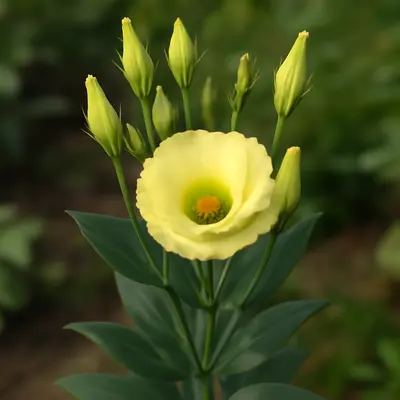
Rich buttercream-colored, 2-3," fully double flowers. We chose the Arena series as a later-flowering group 3 (main season) series that can be planted along with an earlier group 2 series, such as the Mariachi series, for a staggered harvest. When planted at the same time, Arenas start to bloom approximately two weeks after Mariachis. Group 3, for late spring, summer, and fall harvest. Lisianthus is also known as prairie gentian, Texas bluebell, and showy prairie gentian. Pelleted seeds.
Harvest
155-165d
Days to harvest
Sun
Full sun to partial shade
Zones
8–10
USDA hardiness
Height
1-3 feet
Planting Timeline
Showing dates for Arena III Gold in USDA Zone 7
All Zone 7 flower →Zone Map
Click a state to update dates
Arena III Gold · Zones 8–10
Growing Details
Complete Growing Guide
Rich buttercream-colored, 2-3," fully double flowers. We chose the Arena series as a later-flowering group 3 (main season) series that can be planted along with an earlier group 2 series, such as the Mariachi series, for a staggered harvest. When planted at the same time, Arenas start to bloom approximately two weeks after Mariachis. Group 3, for late spring, summer, and fall harvest. Lisianthus is also known as prairie gentian, Texas bluebell, and showy prairie gentian. Pelleted seeds. According to Johnny's Selected Seeds, Arena III Gold is 155 - 165 days to maturity, annual, hybrid (f1). Notable features: Greenhouse Performer, Use for Cut Flowers and Bouquets.
Light: Full sun (6 or more hours of direct sunlight a day), Partial Shade (Direct sunlight only part of the day, 2-6 hours). Soil: Loam (Silt), Sand. Drainage: Good Drainage, Moist. Height: 1 ft. 0 in. - 3 ft. 0 in.. Spread: 0 ft. 9 in. - 1 ft. 0 in.. Maintenance: High. Propagation: Seed.
Harvesting
Arena III Gold reaches harvest at 155 - 165 days from sowing per Johnny's Selected Seeds. As an annual, harvest continues until frost ends the season.
This is an ornamental variety — not grown for harvest. Enjoy in the garden landscape.
Storage & Preservation
Fresh cut Arena III Gold flowers last 2-3 weeks in a vase with proper conditioning and water management. Immediately after cutting, place stems in fresh, cool water with a floral preservative. Store cut flowers in a cool location (60-65°F if possible) away from ripening fruit and direct sunlight. Change water every 2-3 days and re-cut stems at a 45-degree angle.
For preservation, air-drying works well for lisianthus's papery double petals. Hang small bundles upside down in a dark, well-ventilated room for 2-3 weeks until completely dry. Dried Arena III Gold flowers hold color and form beautifully for arrangements lasting months. Alternatively, press individual blooms between parchment paper under heavy weight for 2-4 weeks to create flat, decorative flowers for crafts or artwork. Silica gel drying (1-2 weeks) preserves color more vibrantly than air-drying, though it requires additional supplies.
History & Origin
Arena III Gold is an F1 hybrid developed through controlled cross-pollination. Listed in the Johnny's Selected Seeds catalog.
Origin: Nebraska south to Texas.
Advantages
- +Rich buttercream color distinguishes Arena III Gold from typical lisianthus varieties
- +Fully double 2-3 inch flowers provide premium appearance for high-value markets
- +Staggered blooming with Group 2 series extends overall harvest window significantly
- +155-165 day maturity fits late spring through fall production schedules
- +Easy difficulty rating makes it suitable for growers with limited experience
Considerations
- -Longer 155-165 day cycle requires extended greenhouse space and resources
- -Lisianthus demands precise moisture control; overwatering causes root rot quickly
- -Pelleted seeds need careful sowing depth or germination rates suffer noticeably
- -Double flowers may reduce stem strength, requiring additional support structures
Companion Plants
Marigolds (especially Tagetes patula) are worth lining along the border of any lisianthus bed — their root secretions deter soil nematodes, and their scent disrupts aphids scouting for a landing spot. Sweet alyssum planted 6-8 inches out draws parasitic wasps that target whiteflies, which is a documented benefit rather than wishful thinking. Zinnia and cosmos fill vertical space without fighting for soil moisture, which matters because lisianthus roots stay fairly shallow and don't recover quickly from competition stress.
Black walnut is a hard no — juglone leaches into the soil across a wide radius and lisianthus has little tolerance for it. Fennel is allelopathic to a broad range of plants and doesn't belong near a bed you've put 155+ days of work into. Around here in the southeast, where summer humidity stacks up fast, I'd also steer clear of anything bushy enough to choke airflow — Botrytis gray mold sets in quickly on lisianthus petals once air stops moving through the planting.
Plant Together
Marigolds
Repel aphids, whiteflies, and nematodes while attracting beneficial insects
Sweet Alyssum
Attracts beneficial insects like lacewings and provides ground cover
Nasturtiums
Act as trap crops for aphids and cucumber beetles while adding color contrast
Petunias
Repel aphids, tomato hornworms, and other pests naturally
Zinnia
Attracts beneficial predatory insects and provides complementary blooming period
Lavender
Repels moths, fleas, and mice while attracting pollinators
Cosmos
Attracts beneficial insects and provides structural support without competition
Catnip
Repels mosquitoes, ants, and aphids more effectively than DEET
Keep Apart
Black Walnut Trees
Release juglone toxin that inhibits growth and can kill sensitive plants
Fennel
Produces allelopathic compounds that inhibit growth of most garden plants
Eucalyptus
Releases allelopathic oils that suppress growth of nearby plants
Pests & Disease Resistance
Common Pests
Aphids, whiteflies, spider mites (especially under stress)
Diseases
Powdery mildew, root rot, damping-off (seedlings), Botrytis (gray mold in high humidity)
Troubleshooting Arena III Gold
What you'll see, why it happens, and what to do about it.
Seedlings collapsing at soil level or failing to emerge past day 14 of germination
Likely Causes
- Damping-off caused by Pythium or Rhizoctonia fungi — thrives in cold, wet, poorly drained germination mix
- Overwatering during the 10-14 day germination window, which lisianthus is unusually sensitive to
What to Do
- 1.Use a sterile, well-draining seedling mix — not garden soil — and sow into 72-cell plug trays or similar
- 2.Bottom-water only; keep the surface from staying wet between waterings
- 3.If damping-off has already hit, pull affected seedlings immediately and reduce watering frequency on survivors
White powdery coating on upper leaf surfaces, usually appearing after plants reach 8-12 inches tall
Likely Causes
- Powdery mildew (Erysiphe cichoracearum or related species) — common when nights cool below 65°F and humidity swings are wide
- Poor air circulation from spacing plants closer than 12 inches
What to Do
- 1.Space transplants at least 12 inches apart — 15 is better in a humid climate
- 2.Apply a potassium bicarbonate or neem oil spray at first sign; do it in the morning so foliage dries before nightfall
- 3.Remove heavily affected leaves and dispose in the trash, not the compost pile
Sticky residue on leaves or buds, with tiny clusters of pale or green insects visible on new growth
Likely Causes
- Aphid infestation — lisianthus's soft new growth is a magnet, especially during warm spring transplant weeks
- Whitefly pressure, which tends to build fast under greenhouse or row-cover conditions
What to Do
- 1.Knock aphids off with a firm spray of water three days in a row — it works better than most people expect
- 2.For persistent infestations, apply insecticidal soap directly to the colonies; coat the undersides of leaves
- 3.Check transplants carefully before putting them in the ground — don't import the problem from a nursery tray
Frequently Asked Questions
How long does Arena III Gold lisianthus take to grow from seed to flower?▼
Can you grow Arena III Gold lisianthus in containers or pots?▼
Is Arena III Gold a good lisianthus variety for beginners?▼
When should I plant Arena III Gold seeds indoors?▼
What's the difference between Arena III Gold and Arena II lisianthus?▼
How do I prevent powdery mildew on Arena III Gold lisianthus?▼
Zone-by-Zone Planting Calendar
| Zone | Indoor Start | Transplant | Direct Sow | Harvest |
|---|---|---|---|---|
| Zone 3 | April – May | June – July | June – August | — |
| Zone 4 | March – April | June – June | June – July | — |
| Zone 5 | March – April | May – June | May – July | — |
| Zone 6 | March – April | May – June | May – July | — |
| Zone 7 | February – March | April – May | April – June | — |
| Zone 8 | February – March | April – May | April – June | — |
| Zone 9 | January – February | March – April | March – May | — |
| Zone 10 | January – January | February – March | February – April | — |
| Zone 1 | May – June | July – August | July – September | — |
| Zone 2 | April – May | June – July | June – August | — |
| Zone 11 | January – January | January – February | January – March | — |
| Zone 12 | January – January | January – February | January – March | — |
| Zone 13 | January – January | January – February | January – March | — |
Growing Guides from Wind River Greens
Sources & References
External authority sources used in compiling this guide.
- BreederJohnny's Selected Seeds
See the Methodology page for how this data is sourced, what's AI-assisted, and known limitations.