Potomac Orange
Antirrhinum majus
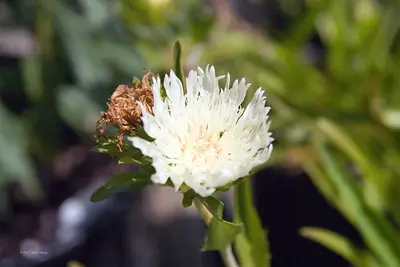
Bright coral, orange blooms for field or greenhouse production. Group 3-4: Warm season snapdragons are bred for optimal performance under long days, high light levels, and warm temperatures. Edible Flowers: The flowers are a colorful garnish for use in salads, desserts, and drinks. The flavor is floral and slightly bitter, so use sparingly.
Harvest
110-120d
Days to harvest
Sun
Full sun to partial shade
Zones
7–10
USDA hardiness
Height
0-3 feet
Planting Timeline
Showing dates for Potomac Orange in USDA Zone 7
All Zone 7 flower →Zone Map
Click a state to update dates
Potomac Orange · Zones 7–10
Growing Details
Succession Planting
Potomac Orange is a hybrid snapdragon that blooms continuously once it gets going, so you don't succession-sow it the way you would lettuce or radishes. Start one round of seeds indoors in February or March, transplant after last frost in April or May, and let the plants carry the season. Deadhead spent spikes every 5-7 days during peak bloom to keep new flowers coming rather than the plant putting energy into setting seed.
Complete Growing Guide
Bright coral, orange blooms for field or greenhouse production. Group 3-4: Warm season snapdragons are bred for optimal performance under long days, high light levels, and warm temperatures. Edible Flowers: The flowers are a colorful garnish for use in salads, desserts, and drinks. The flavor is floral and slightly bitter, so use sparingly. According to Johnny's Selected Seeds, Potomac Orange is 110 - 120 days to maturity, annual, hybrid (f1). Notable features: Easy Choice, Greenhouse Performer, Use for Cut Flowers and Bouquets, Edible Flowers, Fragrant.
Light: Full sun (6 or more hours of direct sunlight a day), Partial Shade (Direct sunlight only part of the day, 2-6 hours). Soil: High Organic Matter. Drainage: Good Drainage. Height: 0 ft. 6 in. - 3 ft. 0 in.. Spread: 0 ft. 6 in. - 0 ft. 10 in.. Spacing: Less than 12 inches. Growth rate: Medium. Maintenance: Medium.
Harvesting
Potomac Orange reaches harvest at 110 - 120 days from sowing per Johnny's Selected Seeds. As an annual, harvest continues until frost ends the season.
A capsule, half hidden by calyx lobes, short-beaked.
Type: Capsule. Length: 1-3 inches.
Storage & Preservation
Fresh Potomac Orange snapdragon flowers should be stored in the refrigerator to extend vase life and preserve color vibrancy. Keep stems in cool water (35-40°F) away from ethylene-producing fruits. Flowers last 7-10 days in a vase with fresh water changed daily. For preservation, dry flowers by hanging upside-down in a cool, dark, well-ventilated space for 2-3 weeks—ideal for arrangements and crafts. Alternatively, freeze flowers in ice cubes with water for decorative use in beverages, or press flowers between parchment paper under heavy weights for 1-2 weeks to preserve for scrapbooking and botanical displays.
History & Origin
Potomac Orange is an F1 hybrid developed through controlled cross-pollination. Listed in the Johnny's Selected Seeds catalog.
Origin: Southwestern Europe
Advantages
- +Bright coral-orange blooms provide striking visual appeal for field or greenhouse production
- +Performs optimally in warm season conditions with long days and high light
- +Edible flowers offer unique culinary garnish potential for upscale food presentation
- +Relatively easy cultivation makes it accessible for both amateur and professional growers
- +110-120 day maturity allows reasonable crop planning within growing season
Considerations
- -Floral bitter flavor requires cautious sparse use to avoid overpowering dishes
- -Warm season requirement limits growing flexibility in cool or short-day climates
- -Snapdragons generally susceptible to rust and powdery mildew fungal diseases
Companion Plants
Marigolds (especially Tagetes patula) are the most useful companion here — their root secretions deter nematodes in the soil, and their scent disrupts aphids and whiteflies trying to land on nearby stems. Sweet alyssum earns a spot for a different reason: its small flowers draw in parasitic wasps and hoverflies that prey on the same aphids that love snapdragon stems. Nasturtiums act as a trap crop, pulling aphid pressure away from the snapdragons and concentrating it in one place where you can deal with it directly.
Black walnut trees are a hard no. The juglone they release through their roots moves outward well past the visible canopy — a mature tree can affect soil 50-60 feet out, and snapdragons are sensitive enough that you'll see stunting or outright dieback before you figure out the cause. Sunflowers are a subtler problem: they release allelopathic compounds and compete hard for water at the root zone, which puts stress on a plant that already needs consistent moisture to keep blooming through summer.
Plant Together
Marigolds
Repel aphids, whiteflies, and nematodes while attracting beneficial insects
Nasturtiums
Act as trap crops for aphids and cucumber beetles, protecting nearby flowers
Sweet Alyssum
Attracts beneficial predatory insects and provides ground cover to retain moisture
Lavender
Repels moths, fleas, and mosquitoes while attracting pollinators like bees
Petunias
Natural pest deterrent against aphids, tomato hornworms, and squash bugs
Cosmos
Attracts beneficial insects and provides structural support without competing for nutrients
Borage
Improves soil health and attracts pollinators while repelling pest insects
Zinnia
Attracts beneficial predatory insects and butterflies, complementary bloom times
Keep Apart
Black Walnut Trees
Produce juglone toxin that inhibits growth and causes wilting in sensitive plants
Eucalyptus
Releases allelopathic compounds that suppress growth of nearby flowering plants
Sunflowers
Compete aggressively for nutrients and water, may stunt growth of smaller flowers
Pests & Disease Resistance
Common Pests
Aphids, spider mites, whiteflies
Diseases
Powdery mildew, rust, root rot
Troubleshooting Potomac Orange
What you'll see, why it happens, and what to do about it.
Sticky residue on stems and buds, with small clusters of soft-bodied insects visible, especially on new growth
Likely Causes
- Aphid infestation (likely Myzus persicae or Macrosiphum euphorbiae) — they congregate on tender tissue and multiply fast in warm weather
- Ants farming aphids — if you see ant trails on the plant, that's a sign the aphid colony is being protected
What to Do
- 1.Blast aphids off with a firm stream of water from a hose; repeat every 2-3 days until numbers drop
- 2.Spray with insecticidal soap (2-3% solution) in the early morning, coating the undersides of leaves and stems
- 3.Introduce or encourage lady beetles and lacewings — both are active predators of aphid colonies
White powdery coating on upper leaf surfaces, spreading from older leaves inward, usually appearing mid-summer
Likely Causes
- Powdery mildew (Erysiphe cichoracearum) — a fungal disease that thrives in warm days with cool nights, not wet conditions
- Poor airflow from crowded spacing or nearby structures
What to Do
- 1.Remove and bag heavily affected leaves immediately — don't compost them
- 2.Thin or stake plants so air can move through; snapdragons at 18-inch spacing hold up noticeably better than those crammed at 12
- 3.Apply a diluted neem oil spray (1 oz per gallon) weekly once you've seen the first signs; it won't cure heavy infections but slows the spread
Orange or rust-colored pustules on the undersides of leaves, with corresponding yellow spots on top — often first noticed around weeks 6-8 of growth
Likely Causes
- Snapdragon rust (Puccinia antirrhini) — a host-specific fungal rust that overwinters on infected plant debris and spreads by wind
- Overhead watering that keeps foliage wet for extended periods
What to Do
- 1.Strip affected leaves and dispose of them in the trash, not the compost pile
- 2.Switch to drip irrigation or water at the base only; keeping leaves dry cuts transmission significantly
- 3.At season's end, pull all plant debris and don't replant snapdragons in the same bed for at least one season
Fine webbing on leaf undersides, leaves looking stippled or bronzed, especially during hot dry stretches
Likely Causes
- Two-spotted spider mite (Tetranychus urticae) — populations explode when temps exceed 85°F and humidity drops
- Over-use of broad-spectrum insecticides that knock out natural predator populations
What to Do
- 1.Mist the undersides of leaves with water daily during heat waves — spider mites hate humidity
- 2.Apply insecticidal soap or spinosad directly to leaf undersides; repeat every 5-7 days for at least 3 cycles
- 3.Avoid carbaryl-based pesticides, which tend to make mite outbreaks worse by eliminating predatory mites
Frequently Asked Questions
How long do Potomac Orange snapdragon flowers last in a vase?▼
Are Potomac Orange snapdragons good for beginner gardeners?▼
Can you grow Potomac Orange snapdragons in containers?▼
What do Potomac Orange snapdragon flowers taste like as edible flowers?▼
When should I plant Potomac Orange snapdragon seeds?▼
How much space do Potomac Orange snapdragons need between plants?▼
Zone-by-Zone Planting Calendar
| Zone | Indoor Start | Transplant | Direct Sow | Harvest |
|---|---|---|---|---|
| Zone 1 | May – June | July – August | July – September | — |
| Zone 2 | April – May | June – July | June – August | — |
| Zone 11 | January – January | January – February | January – March | — |
| Zone 12 | January – January | January – February | January – March | — |
| Zone 13 | January – January | January – February | January – March | — |
| Zone 3 | April – May | June – July | June – August | — |
| Zone 4 | March – April | June – June | June – July | — |
| Zone 5 | March – April | May – June | May – July | — |
| Zone 6 | March – April | May – June | May – July | — |
| Zone 7 | February – March | April – May | April – June | — |
| Zone 8 | February – March | April – May | April – June | — |
| Zone 9 | January – February | March – April | March – May | — |
| Zone 10 | January – January | February – March | February – April | — |
Growing Guides from Wind River Greens
Sources & References
External authority sources used in compiling this guide.
- BreederJohnny's Selected Seeds
See the Methodology page for how this data is sourced, what's AI-assisted, and known limitations.