Narrow-Leaved Mountain Mint
Pycnanthemum tenuifolium
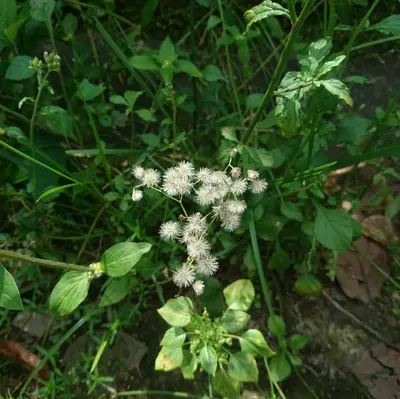
Narrow-Leaved Mountain Mint (Pycnanthemum tenuifolium) is a perennial native wildflower. Hardy in USDA zones 4 to 8. Prefers full sun.
Sun
Full sun to partial shade
Zones
4–8
USDA hardiness
Height
2-4 feet
Planting Timeline
Showing dates for Narrow-Leaved Mountain Mint in USDA Zone 7
All Zone 7 native-wildflower →Zone Map
Click a state to update dates
Narrow-Leaved Mountain Mint · Zones 4–8
Growing Details
Complete Growing Guide
Light: Full sun (6 or more hours of direct sunlight a day), Partial Shade (Direct sunlight only part of the day, 2-6 hours). Soil: Clay, High Organic Matter, Loam (Silt), Sand, Shallow Rocky. Soil pH: Acid (<6.0). Drainage: Good Drainage, Moist, Occasionally Dry, Occasionally Wet. Height: 2 ft. 0 in. - 4 ft. 0 in.. Spread: 2 ft. 0 in. - 3 ft. 0 in.. Spacing: 12 inches-3 feet. Growth rate: Rapid. Maintenance: Low. Propagation: Division, Seed, Stem Cutting. Regions: Coastal, Mountains, Piedmont.
Harvesting
Displays from September to October.
Color: Black. Type: Capsule. Length: < 1 inch. Width: < 1 inch.
Harvest time: Fall
Edibility: The dried leaves and flowers are used for making teas and flavorings.
Storage & Preservation
For fresh use, harvest leaves in the morning and store in a sealed plastic bag in the refrigerator at 35-40°F with 85-90% humidity for up to one week. Narrow-leaved mountain mint is best preserved through drying: hang bundles upside-down in a warm, dark, well-ventilated area for 1-2 weeks, then strip leaves and store in airtight containers. Alternatively, freeze fresh leaves in ice cube trays with water or oil for convenient portioning, lasting 3-4 months. Tincturing in alcohol extracts the volatile oils effectively for medicinal use and maintains potency for 6+ months.
History & Origin
Origin: Eastern Canada to Central & Eastern U.S.A
Advantages
- +Attracts: Bees, Butterflies, Pollinators
- +Edible: The dried leaves and flowers are used for making teas and flavorings.
- +Fast-growing
- +Low maintenance
Companion Plants
Purple Coneflower (Echinacea purpurea), Wild Bergamot (Monarda fistulosa), and Black-Eyed Susan (Rudbeckia hirta) pair well because they share the same basic needs — full sun, decent drainage, soil pH around 6.0 — without crowding out the mint's shallow root system. Grouping them extends the bloom window from late spring into October, which keeps native bees and predatory wasps cycling through rather than moving on once a single species finishes. Little Bluestem Grass fills vertical space nearby without casting enough shade to matter, and its fine texture keeps the planting from reading as a flat green blob.
Black Walnut is the genuine problem. Its roots and decomposing hulls release juglone — a compound documented by NC State Extension as toxic to a wide range of plants — and Pycnanthemum tenuifolium's shallow, spreading rhizomes put it in direct contact with contaminated soil. Autumn Olive and Crown Vetch are a different kind of trouble: both spread aggressively enough that within 2–3 seasons they'll simply crowd a native planting out of existence. Site selection matters more than any companion trick here.
Plant Together
Purple Coneflower
Attracts complementary pollinators and shares similar soil and moisture requirements
Wild Bergamot
Both are aromatic natives that support beneficial insects and have similar growing conditions
Black-Eyed Susan
Provides different bloom time extending pollinator season, compatible root systems
Little Bluestem Grass
Native grass provides structural support and creates beneficial microhabitat
New England Aster
Late season bloomer extends habitat value, shares preference for well-drained soils
Wild Columbine
Different root depth reduces competition, early bloomer complements mint's summer flowering
Nodding Onion
Natural pest deterrent that complements mint's insect-repelling properties
Yarrow
Attracts beneficial predatory insects and improves soil through dynamic accumulation
Keep Apart
Black Walnut
Produces juglone which is toxic to many plants including most mints
Autumn Olive
Invasive shrub that outcompetes natives and alters soil nitrogen levels
Crown Vetch
Aggressive spreader that can overwhelm and shade out low-growing wildflowers
Pests & Disease Resistance
Common Pests
Spider mites, aphids (rare)
Diseases
Powdery mildew (in humid conditions)
Troubleshooting Narrow-Leaved Mountain Mint
What you'll see, why it happens, and what to do about it.
White powdery coating on leaves and stems, usually showing up in mid to late summer during humid stretches
Likely Causes
- Powdery mildew (Erysiphe or Podosphaera spp.) — thrives when nights are cool and humid but days are warm
- Poor airflow from crowded planting or low-lying sites
What to Do
- 1.Cut affected stems back hard — this plant regrows readily and the flush of new growth is usually clean
- 2.Space plants at least 18 inches apart and avoid overhead watering late in the day
- 3.If it recurs badly year after year, thin the clump in early spring to open up the center
Stippled, bronze-tinged leaves with fine webbing on the undersides, especially during hot dry spells
Likely Causes
- Two-spotted spider mites (Tetranychus urticae) — populations explode when soil moisture drops and temperatures stay above 85°F for extended periods
What to Do
- 1.Spray plants down hard with a hose — a strong stream of water knocks mites off and disrupts colonies effectively
- 2.Keep the root zone mulched to hold soil moisture; drought stress is what opens the door for heavy infestations
- 3.Insecticidal soap (2–3% solution) works if the infestation is heavy, but mites on mountain mint are uncommon enough that water pressure usually does the job
Frequently Asked Questions
Can you grow narrow-leaved mountain mint in containers?▼
Is narrow-leaved mountain mint good for beginners?▼
When should I plant narrow-leaved mountain mint?▼
How long does narrow-leaved mountain mint take to flower?▼
What does narrow-leaved mountain mint taste like?▼
Does narrow-leaved mountain mint attract pollinators?▼
Zone-by-Zone Planting Calendar
Growing Guides from Wind River Greens
Sources & References
External authority sources used in compiling this guide.
- ExtensionNC State Extension
See the Methodology page for how this data is sourced, what's AI-assisted, and known limitations.