Comanche
Allium porrum
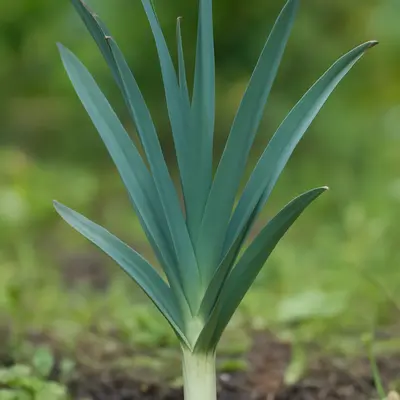
Beautiful shanks can achieve impressive length. Comanche is a midseason leek with medium blue-green foliage. Its upright plant habit makes for easier cultivation. Also available in organic seed.
Harvest
105d
Days to harvest
Sun
Full sun to partial shade
Zones
4–9
USDA hardiness
Height
1-3 feet
Planting Timeline
Showing dates for Comanche in USDA Zone 7
All Zone 7 allium →Zone Map
Click a state to update dates
Comanche · Zones 4–9
Growing Details
Succession Planting
Direct sow Comanche from March through May in zone 7, aiming for soil temperatures above 50°F at planting depth. With 105 days to harvest, a mid-May sowing still puts you in October, well before hard frost. Stagger sowings every 3 weeks across that window if you want harvest spread from July into November rather than everything maturing at once. Leeks don't bolt the way lettuce does, so heat isn't a hard cutoff — but germination gets unreliable once soil temps consistently exceed 80°F, so don't push a late-May direct sow in a hot year without shade cloth or afternoon cover.
Complete Growing Guide
Beautiful shanks can achieve impressive length. Comanche is a midseason leek with medium blue-green foliage. Its upright plant habit makes for easier cultivation. Also available in organic seed. According to Johnny's Selected Seeds, Comanche is 105 days to maturity, annual, hybrid (f1).
Light: Full sun (6 or more hours of direct sunlight a day), Partial Shade (Direct sunlight only part of the day, 2-6 hours). Soil: High Organic Matter, Loam (Silt), Sand. Drainage: Good Drainage. Height: 1 ft. 0 in. - 3 ft. 0 in.. Spread: 0 ft. 6 in. - 2 ft. 0 in.. Spacing: Less than 12 inches. Growth rate: Medium. Maintenance: Low. Propagation: Division. Regions: Coastal, Mountains, Piedmont.
Harvesting
Comanche reaches harvest at 105 days from sowing per Johnny's Selected Seeds. As an annual, harvest continues until frost ends the season.
The capsule splits longitudinally and contains small round black seeds.
Type: Capsule.
Storage & Preservation
Harvest Comanche leeks at 105 days and store in the refrigerator's crisper drawer at 32–40°F with high humidity; they'll keep for 2–3 weeks when wrapped loosely in plastic. For longer preservation, blanch whole leeks or chopped whites and light greens for 2–3 minutes, then freeze in airtight containers for up to eight months. Alternatively, slice and dry them in a dehydrator at 135°F until brittle, storing the result in airtight jars. Fermentation works well too—salt-pack sliced leeks at roughly 2% salt by weight for a tangy condiment. Comanche's naturally sweet flavor makes it particularly good for freezing whole; thaw and use directly in soups and stews without precooking, as the texture softens during cooking anyway.
History & Origin
Comanche is an F1 hybrid developed through controlled cross-pollination. Listed in the Johnny's Selected Seeds catalog.
Origin: Northern Hemisphere, North America and Eurasia
Advantages
- +Beautiful long shanks provide impressive edible length for harvest
- +Midseason maturity at 105 days fits well into most growing seasons
- +Medium blue-green foliage indicates healthy vigor and disease resistance
- +Upright growth habit reduces cultivation labor and spacing requirements
Considerations
- -Medium blue-green color suggests potential susceptibility to rust or fungal issues
- -Upright habit may require staking in windy growing locations
- -105-day requirement demands consistent soil moisture throughout season
Companion Plants
Carrots and leeks pull real duty together — the sulfur compounds leeks emit disrupt carrot fly (Psila rosae) host-finding, and the relationship runs the other direction too, with carrot scent masking leek moth cues. Plant them in alternating 6-inch rows and you get that interference effect without dedicating a whole bed to either crop. Marigolds (Tagetes spp.) add thrips and root maggot suppression through root exudates, and lettuce fills gaps at 6 inches without competing for the deep moisture a leek needs by midsummer. Beans and peas are worth keeping well away — allium root chemistry stunts legume nitrogen fixation, and you lose yield on both sides of that pairing.
Plant Together
Tomatoes
Alliums repel aphids, spider mites, and hornworms that commonly attack tomatoes
Carrots
Alliums deter carrot fly while carrots help break up soil for allium bulb development
Cabbage
Strong allium scent repels cabbage worms, flea beetles, and other brassica pests
Roses
Alliums repel aphids, thrips, and may reduce black spot fungal disease
Lettuce
Alliums provide pest protection without competing for nutrients or space
Peppers
Allium compounds deter aphids and may help repel pepper weevils
Strawberries
Alliums repel slugs, aphids, and nematodes that damage strawberry plants
Marigolds
Both plants repel similar pests and create a strong protective barrier together
Keep Apart
Beans
Alliums can inhibit nitrogen fixation by rhizobia bacteria in legume root nodules
Peas
Sulfur compounds from alliums interfere with beneficial bacteria needed for pea growth
Sage
Both plants compete for similar soil nutrients and may stunt each other's growth
Nutrition Facts
Per 100g serving. % Daily Value based on 2,000 calorie diet. Source: USDA FoodData Central (FDC #170000)
Pests & Disease Resistance
Common Pests
Leek moths, onion flies, thrips, root maggots
Diseases
Pink root, white rot, fusarium basal rot, downy mildew
Troubleshooting Comanche
What you'll see, why it happens, and what to do about it.
Narrow white or silvery streaking on leaves, with tiny black frass specks visible up close
Likely Causes
- Thrips (Thrips tabaci) — rasping insects that feed between leaf layers and leave behind excrement
- Hot, dry spells that favor thrips population explosions
What to Do
- 1.Spray with insecticidal soap every 5–7 days, hitting the inner leaf folds where thrips shelter
- 2.Remove and bag the most heavily damaged outer leaves — don't compost them
- 3.Keep irrigation consistent; drought-stressed leeks attract heavier thrips pressure
Leaves wilting and yellowing from the base up, with pinkish discoloration on the roots when you pull the plant
Likely Causes
- Pink root (Phoma terrestris) — a soil-borne fungus that stains roots pink to red and eventually kills them
- Replanting alliums in the same bed year after year, which lets the pathogen build up
What to Do
- 1.Pull affected plants and dispose of them in the trash, not the compost
- 2.Rotate leeks and all alliums out of this bed for at least 3–4 years
- 3.If pink root is a recurring problem, consider a raised bed with fresh soil mix rather than fighting infected ground
Soft, slimy rot at the base of the plant, with white fluffy mycelium or small black sclerotia visible in the soil around the stem
Likely Causes
- White rot (Sclerotium cepivorum) — a persistent soil fungus whose sclerotia can survive 20+ years in the ground
- Cool, wet soil conditions that favor germination of the sclerotia
What to Do
- 1.Remove infected plants immediately along with a generous scoop of surrounding soil, and bag everything
- 2.Don't replant any allium in that spot — white rot doesn't diminish on a normal garden timescale
- 3.Avoid moving soil from infected beds to clean areas on tools or boots
Plants collapsing at soil level, or spongy, tunneled shanks discovered at harvest
Likely Causes
- Onion fly larvae (Delia antiqua) — maggots bore into the base and shank, rotting the leek from the inside out
- Root maggots from related Delia species, which follow the same pattern and overwinter as pupae in the soil
What to Do
- 1.Cover transplants immediately with row cover (Reemay or similar) and seal the edges — this is your best prevention before any damage starts
- 2.Rotate alliums to a new bed each season to break the soil-dwelling pupal cycle
- 3.At harvest, check damaged plants for larvae and destroy them; don't leave infested material sitting on the soil surface
Frequently Asked Questions
How long does it take to grow Comanche leeks from seed to harvest?▼
Is Comanche leek a good variety for beginners?▼
Can you grow Comanche leeks in containers?▼
What does Comanche leek taste like?▼
When should I plant Comanche leek seeds?▼
How much space do Comanche leeks need between plants?▼
Zone-by-Zone Planting Calendar
| Zone | Indoor Start | Transplant | Direct Sow | Harvest |
|---|---|---|---|---|
| Zone 3 | — | — | May – June | August – October |
| Zone 4 | — | — | April – June | August – October |
| Zone 5 | — | — | April – May | July – November |
| Zone 6 | — | — | April – May | July – November |
| Zone 7 | — | — | March – May | July – November |
| Zone 8 | — | — | March – April | June – December |
| Zone 9 | — | — | February – March | May – December |
| Zone 10 | — | — | January – March | May – December |
| Zone 1 | — | — | June – July | September – September |
| Zone 2 | — | — | May – July | September – September |
| Zone 11 | — | — | January – February | April – December |
| Zone 12 | — | — | January – February | April – December |
| Zone 13 | — | — | January – February | April – December |
Growing Guides from Wind River Greens
Sources & References
External authority sources used in compiling this guide.
- BreederJohnny's Selected Seeds
- USDAUSDA FoodData Central
See the Methodology page for how this data is sourced, what's AI-assisted, and known limitations.