Bradford Pear
Pyrus calleryana 'Bradford'
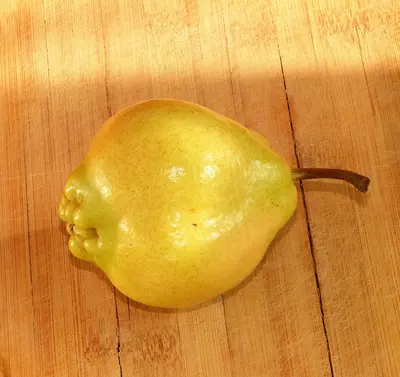
Once America's most popular ornamental tree, known for its spectacular white spring blooms and symmetrical pyramid shape. While beautiful, this tree has significant structural weaknesses and invasive tendencies that have led many states to ban its sale. Many gardeners are now choosing better alternatives like serviceberry or flowering cherry for similar spring impact.
Sun
Full sun to partial shade
Zones
5–9
USDA hardiness
Height
30-50 feet
Planting Timeline
Showing dates for Bradford Pear in USDA Zone 7
All Zone 7 ornamental-tree →Zone Map
Click a state to update dates
Bradford Pear · Zones 5–9
Growing Details
Complete Growing Guide
Light: Full sun (6 or more hours of direct sunlight a day), Partial Shade (Direct sunlight only part of the day, 2-6 hours). Soil: Clay, Loam (Silt), Sand. Soil pH: Acid (<6.0), Alkaline (>8.0), Neutral (6.0-8.0). Drainage: Good Drainage, Moist, Occasionally Dry. Height: 30 ft. 0 in. - 50 ft. 0 in.. Spread: 20 ft. 0 in. - 35 ft. 0 in.. Spacing: 24-60 feet. Growth rate: Rapid. Maintenance: High. Propagation: Grafting, Seed. Regions: Coastal, Mountains, Piedmont.
Harvesting
The fruits are yellowish green to brown, round, 0.5 to 1-inch in diameter, and inedible with a brown pit. They have no practical value nor ornamental use except it attracts birds..
Color: Brown/Copper, Gold/Yellow, Green. Type: Pome. Length: < 1 inch. Width: < 1 inch.
Harvest time: Summer
Storage & Preservation
Bradford Pear is an ornamental tree; there is no post-harvest storage or preservation protocol for the fruit, which is small, hard, and inedible. However, if you wish to preserve the aesthetic experience of the blooms or fall color, consider photography or pressed-flower crafts. Fresh-cut branches with flowers display attractively in water indoors for 7–10 days when cut in early morning and placed in cool water immediately. For dried arrangements, cut flowering branches and hang them upside-down in a warm, dry, dark location for 2–3 weeks. The seeds (produced abundantly) are technically viable and can be stored dry in a cool location if you wish to propagate the tree, though many regions discourage or prohibit propagation. No other preservation methods apply to this ornamental variety.
History & Origin
Origin: Central to Southern China to Vietnam, Central Japan, and Taiwan
Advantages
- +Attracts: Pollinators, Songbirds
- +Fast-growing
Considerations
- -High maintenance
Companion Plants
The shade-tolerant ground covers — hostas, ferns, astilbe, coral bells, and ajuga — work under Bradford pear because they're built for the dry, root-competitive zone a mature tree creates within 10-15 feet of the trunk. Daffodils are a practical fit too: they're finished for the season before the tree hits full leaf, they naturalize without much help, and deer skip them entirely. Black walnut is the one to keep at a real distance — its root exudate juglone suppresses or outright kills many broadleaf trees, and Pyrus calleryana doesn't escape that. Large conifers create a different problem: they pull water from the same soil depth and eventually crowd the canopy once both reach maturity.
Plant Together
Daffodils
Bloom early before tree leafs out, tolerate root competition, deer resistant
Hostas
Thrive in partial shade under canopy, complement spring blooms with foliage
Ferns
Prefer filtered light under tree, help retain soil moisture and reduce weeds
Astilbe
Tolerates shade and root competition, adds color when tree blooms fade
Coral Bells
Drought tolerant once established, colorful foliage complements tree structure
Pachysandra
Effective groundcover that suppresses weeds and tolerates dense shade
Spring Beauty
Native wildflower that blooms with tree, attracts early pollinators
Ajuga
Dense groundcover that prevents soil erosion under the tree canopy
Keep Apart
Black Walnut
Produces juglone toxin that can inhibit growth of Bradford Pear
Large Conifers
Compete aggressively for water and nutrients, create too much shade
Tomatoes
Tree roots compete for nutrients needed by heavy-feeding vegetables
Pests & Disease Resistance
Resistance
Susceptible to fire blight, leaf spot, and storm damage
Common Pests
Scale insects, aphids, borers
Diseases
Fire blight, leaf spot, crown rot, structural failure
Troubleshooting Bradford Pear
What you'll see, why it happens, and what to do about it.
Branches splitting or entire scaffold limbs tearing away from the trunk, often after wind or ice — tree may be only 15-20 years old
Likely Causes
- Bradford pear's characteristic narrow crotch angles (often less than 45°) create included bark, where two stems fuse without forming strong wood
- Rapid juvenile growth (sometimes 3-4 feet per year) outpaces structural development
What to Do
- 1.Remove co-dominant leaders early — ideally in the first 5 years — to establish one central leader before the angles become fixed
- 2.If the tree is already mature, have a certified arborist cable or brace major scaffold limbs as a short-term measure, but understand this is managing a structural defect, not correcting it
- 3.Seriously consider removal and replacement with a structurally sound alternative like a native serviceberry (Amelanchier canadensis) or dogwood (Cornus florida)
Wilting shoot tips that curl into a shepherd's crook shape, with leaves turning brown-black but staying attached to the branch
Likely Causes
- Fire blight (Erwinia amylovora) — a bacterial disease that spreads rapidly in warm, wet spring weather, entering through flowers and new growth
- Pruning cuts or hail wounds made during humid weather without prompt follow-up
What to Do
- 1.Prune out infected wood at least 8-12 inches below the visible margin of discoloration, cutting into healthy white wood
- 2.Sterilize pruning tools between every single cut with 70% isopropyl alcohol or a 10% bleach solution — skipping this step moves the bacteria from branch to branch
- 3.Back off nitrogen fertilizer in spring; the flush of tender new growth it produces is exactly what fire blight hits first
Sticky, sooty coating on leaves and branches, sometimes with clusters of small soft-bodied insects visible on new growth or along stems
Likely Causes
- Aphid colonies (green peach aphid, Myzus persicae, is a common offender) feeding on new growth and excreting honeydew
- San Jose scale (Quadraspidiotus perniciosus) — the sooty mold grows on their honeydew and often persists longer than the aphid outbreak does
What to Do
- 1.For aphids on reachable branches, a strong stream of water removes most of them without any product
- 2.For scale, apply horticultural oil in late winter or early spring before bud break — the dormant window is what makes it effective; applications after leaf-out are far less so
- 3.Avoid broad-spectrum insecticide sprays nearby — they wipe out the lacewings and parasitic wasps that keep aphid populations from rebounding