Avignon Apricot II
Antirrhinum majus
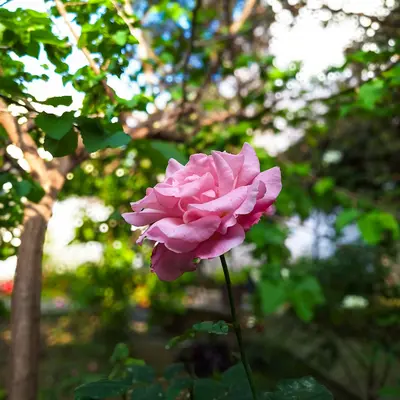
Exceptionally robust stems, high yields, and uniform growth in the field or greenhouse when grown under short days and low temperatures. Group 2 snapdragon. Under high light or very warm temperatures, flowers can become washed out and express more yellow hues. Previously known as Costa Apricot II. Edible Flowers: The flowers are a colorful garnish for use in salads, desserts, and drinks. The flavor is floral and slightly bitter, so use sparingly.
Harvest
100-110d
Days to harvest
Sun
Full sun to partial shade
Zones
7–10
USDA hardiness
Height
0-3 feet
Planting Timeline
Showing dates for Avignon Apricot II in USDA Zone 7
All Zone 7 flower →Zone Map
Click a state to update dates
Avignon Apricot II · Zones 7–10
Growing Details
Complete Growing Guide
Exceptionally robust stems, high yields, and uniform growth in the field or greenhouse when grown under short days and low temperatures. Group 2 snapdragon. Under high light or very warm temperatures, flowers can become washed out and express more yellow hues. Previously known as Costa Apricot II. Edible Flowers: The flowers are a colorful garnish for use in salads, desserts, and drinks. The flavor is floral and slightly bitter, so use sparingly. According to Johnny's Selected Seeds, Avignon Apricot II is 100 - 110 days to maturity, annual, hybrid (f1). Notable features: Greenhouse Performer, Use for Cut Flowers and Bouquets, Edible Flowers, Fragrant.
Light: Full sun (6 or more hours of direct sunlight a day), Partial Shade (Direct sunlight only part of the day, 2-6 hours). Soil: High Organic Matter. Drainage: Good Drainage. Height: 0 ft. 6 in. - 3 ft. 0 in.. Spread: 0 ft. 6 in. - 0 ft. 10 in.. Spacing: Less than 12 inches. Growth rate: Medium. Maintenance: Medium.
Harvesting
Avignon Apricot II reaches harvest at 100 - 110 days from sowing per Johnny's Selected Seeds. As an annual, harvest continues until frost ends the season.
A capsule, half hidden by calyx lobes, short-beaked.
Type: Capsule. Length: 1-3 inches.
Storage & Preservation
Fresh Avignon Apricot II flowers are best stored on the counter in a cool location (60-65°F) in a shallow water container like a vase, keeping stems hydrated for 3-5 days. Alternatively, refrigerate in a moisture-sealed container at 35-40°F for extended freshness (7-10 days). Preserve by air-drying in a dark, well-ventilated space for 1-2 weeks, then store in airtight containers away from light. Pressing flowers between parchment paper is ideal for culinary garnishes. Freeze in ice cubes with water for decorative use in beverages, maintaining color and structure for several weeks.
History & Origin
Avignon Apricot II is an F1 hybrid developed through controlled cross-pollination. Listed in the Johnny's Selected Seeds catalog.
Origin: Southwestern Europe
Advantages
- +Exceptionally robust stems support heavy flower production reliably
- +High yields make this variety economically viable for commercial growers
- +Uniform growth in field or greenhouse simplifies crop management
- +Easy difficulty rating makes it suitable for beginner growers
- +Edible flowers provide dual-purpose ornamental and culinary value
Considerations
- -Flowers become washed out and yellowed in high light conditions
- -Requires short days and cool temperatures for optimal color expression
- -Floral bitter flavor necessitates sparing use in culinary applications
- -Sensitive to warm temperatures which compromises flower quality and appearance
Companion Plants
Marigolds (especially Tagetes patula) are worth planting in the same bed — they deter aphids and thrips through root secretions and scent, and both plants want the same full-sun, warm-season conditions, so you're not juggling two different care schedules. Sweet alyssum at the edges does real work too: its small flowers draw parasitic wasps (Braconidae) that prey on the aphids that will inevitably find your snapdragons. Nasturtiums can pull double duty as a trap crop, drawing aphids away from the Antirrhinum if you plant them a foot or two to the windward side of the main planting.
Keep Avignon Apricot II well away from black walnut (Juglans nigra). The juglone that leaches from walnut roots affects a wide range of plants, and snapdragons are sensitive enough that soil left behind after a walnut is removed can still cause wilting and slow decline for a season or two. Fennel belongs in its own isolated patch regardless of what you're growing next to it — it produces allelopathic compounds that suppress nearby annuals, and Antirrhinum is not an exception.
Plant Together
Marigold
Repels nematodes and aphids while attracting beneficial predatory insects
Lavender
Attracts pollinators and repels pests like moths and fleas with aromatic oils
Nasturtium
Acts as trap crop for aphids and cucumber beetles, draws pests away from apricot flowers
Chives
Repels aphids and Japanese beetles while improving soil with sulfur compounds
Borage
Attracts bees and beneficial insects, may improve growth of nearby plants
Comfrey
Deep roots bring nutrients to surface, leaves make excellent mulch and fertilizer
Sweet Alyssum
Attracts beneficial parasitic wasps and provides ground cover to retain moisture
Yarrow
Attracts ladybugs and lacewings, improves soil nutrients and plant health
Keep Apart
Black Walnut
Produces juglone toxin that inhibits growth and can kill stone fruit plants
Eucalyptus
Releases allelopathic compounds that suppress growth of nearby plants
Fennel
Produces allelopathic chemicals that inhibit growth of most garden plants
Troubleshooting Avignon Apricot II
What you'll see, why it happens, and what to do about it.
Gray fuzzy coating on stems or buds, usually during cool, damp stretches in spring
Likely Causes
- Botrytis cinerea (gray mold) — thrives when temps sit between 60–77°F with high humidity and poor airflow
- Overcrowded transplants that trap moisture between stems
What to Do
- 1.Remove and bin (don't compost) all affected plant material immediately
- 2.Space plants at least 10–12 inches apart and thin aggressively if you planted close
- 3.Water at the base, not overhead, and do it early in the day so foliage dries before nightfall
Orange or rust-colored pustules on the undersides of leaves, with yellowing on the upper surface
Likely Causes
- Antirrhinum rust (Puccinia antirrhini) — a fungal disease specific to snapdragons, more common in cool, wet conditions
- Planting the same bed in Antirrhinum majus year after year without rotating
What to Do
- 1.Pull and dispose of heavily infected plants; don't compost them
- 2.Apply a sulfur-based fungicide every 7–10 days once you see the first pustules
- 3.Rotate snapdragons out of that bed for at least one full season
Spindly, flopping stems with small flowers, even in a sunny spot
Likely Causes
- Insufficient light — Avignon Apricot II needs 6+ hours of direct sun to bloom compactly; 4 hours produces stretched growth
- Starting transplants indoors without supplemental lighting, causing etiolation before they ever hit the ground
What to Do
- 1.Move containers to the sunniest available spot, or transplant bed starts to a south-facing location
- 2.Pinch the central stem back by about one-third at transplant time to encourage branching and sturdier growth
- 3.If starting indoors, set seedlings under grow lights for 14–16 hours a day to keep internodes tight
Frequently Asked Questions
How long do Avignon Apricot II flowers stay fresh after cutting?▼
Are Avignon Apricot II flowers good for beginners?▼
Can you grow Avignon Apricot II snapdragons in containers?▼
What does Avignon Apricot II taste like when used as an edible flower?▼
When should I plant Avignon Apricot II snapdragons for harvest?▼
Why do my Avignon Apricot II flowers lose color under warm conditions?▼
Zone-by-Zone Planting Calendar
| Zone | Indoor Start | Transplant | Direct Sow | Harvest |
|---|---|---|---|---|
| Zone 3 | April – May | June – July | June – August | — |
| Zone 4 | March – April | June – June | June – July | — |
| Zone 5 | March – April | May – June | May – July | — |
| Zone 6 | March – April | May – June | May – July | — |
| Zone 7 | February – March | April – May | April – June | — |
| Zone 8 | February – March | April – May | April – June | — |
| Zone 9 | January – February | March – April | March – May | — |
| Zone 10 | January – January | February – March | February – April | — |
| Zone 1 | May – June | July – August | July – September | — |
| Zone 2 | April – May | June – July | June – August | — |
| Zone 11 | January – January | January – February | January – March | — |
| Zone 12 | January – January | January – February | January – March | — |
| Zone 13 | January – January | January – February | January – March | — |
Growing Guides from Wind River Greens
Sources & References
External authority sources used in compiling this guide.
- BreederJohnny's Selected Seeds
See the Methodology page for how this data is sourced, what's AI-assisted, and known limitations.