Grand Rapids
Lactuca sativa 'Grand Rapids'
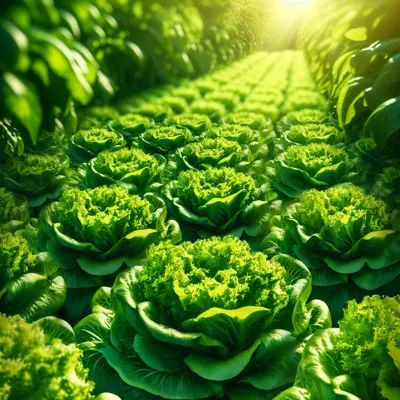
A time-tested heirloom loose-leaf lettuce that has been feeding families since 1888 and remains one of the most reliable varieties for beginning gardeners. Its deeply curled, bright green leaves are incredibly easy to grow and harvest, producing continuously when cut properly. This variety thrives in almost any condition and rarely bolts, making it perfect for hot climates and extended harvests.
Harvest
45-55d
Days to harvest
Sun
Full sun to partial shade
Zones
2–11
USDA hardiness
Height
6-12 inches
Planting Timeline
Showing dates for Grand Rapids in USDA Zone 7
All Zone 7 lettuce →Zone Map
Click a state to update dates
Grand Rapids · Zones 2–11
Growing Details
Succession Planting
Direct sow Grand Rapids every 14 days starting March 1 in zone 7, running through late April. The 45-55 day harvest window means staggered sowings land about two weeks apart at the table — manageable rather than a glut. Once daytime highs hold consistently at 80°F or above, the plants bolt and the leaves go bitter fast, so stop and wait it out. Resume in late July or early August for a fall run; if soil temps are still above 75°F, pre-chill the seed in the refrigerator for 48 hours before sowing to break heat-induced dormancy.
Complete Growing Guide
This heirloom variety's exceptional bolt-resistance means you can push plantings into late spring and early summer without the typical rapid flowering that plagues most lettuces in heat. Space plants 6-8 inches apart in full sun to partial shade, ensuring consistent moisture since Grand Rapids' shallow roots demand regular watering rather than deep soaking. Unlike heading varieties, its loose-leaf structure makes it nearly immune to core rot and fungal diseases when air circulates freely around foliage. Watch for aphids on the deeply curled leaves where they hide—spray early with insecticidal soap if populations develop. The single most practical advantage: harvest outer leaves when plants reach 4-6 inches tall, and they'll regenerate continuously for 60+ days rather than requiring full plant removal, dramatically extending your productive season from a single planting.
Light: Full sun (6 or more hours of direct sunlight a day), Partial Shade (Direct sunlight only part of the day, 2-6 hours). Soil: High Organic Matter. Soil pH: Neutral (6.0-8.0). Drainage: Good Drainage, Moist. Height: 0 ft. 6 in. - 1 ft. 0 in.. Spread: 0 ft. 6 in. - 1 ft. 0 in.. Spacing: Less than 12 inches. Growth rate: Rapid. Maintenance: Medium. Propagation: Seed. Regions: Coastal, Mountains, Piedmont.
Harvesting
The deeply curled leaves of Grand Rapids reach peak harvest when they display a vibrant bright green color and measure 4 to 6 inches long, with a tender, crisp feel that indicates optimal moisture content. This variety excels at continuous harvesting: rather than cutting the entire head at once, remove outer leaves from the base as needed, allowing the center to keep producing for weeks. The plant rarely bolts, even in heat, which extends your harvest window considerably. For best results, harvest in early morning when leaves are most crisp and hydrated, cutting just above the soil line to encourage vigorous regrowth from the remaining crown.
Tiny seeds with a dandelion-like tuft (pappus) to aid in wind dispersal.
Color: Brown/Copper. Type: Achene. Length: < 1 inch. Width: < 1 inch.
Harvest time: Summer
Edibility: Leaves can be used raw or cooked in salads, sandwiches, and other dishes. Head lettuce can be stored for 2-3 weeks while leaf and butterhead store for 1-2 weeks.
Storage & Preservation
Store freshly harvested Grand Rapids lettuce in the refrigerator immediately after washing and thoroughly drying the leaves. Wrap clean, dry leaves in paper towels and place in perforated plastic bags in the crisper drawer at 32-40°F with high humidity. Properly stored, it maintains quality for 7-10 days.
For preservation, Grand Rapids works well for dehydrating—wash, dry, and dehydrate at 95°F until crispy for homemade lettuce powder or soup seasoning. Quick blanching and freezing preserves it for cooked dishes, though texture becomes soft. The variety's sturdy leaves also work for lacto-fermentation, creating tangy preserved greens similar to sauerkraut. Avoid canning fresh lettuce, but you can preserve it in mixed vegetable pickles or fermented salads for extended storage.
History & Origin
Grand Rapids lettuce emerged in the late 19th century as a commercially valuable loose-leaf variety, with documented cultivation dating to 1888, though its precise breeder and origin region remain incompletely documented in historical records. The variety likely arose from American seed company development or selection work rather than European breeding programs, reflecting the era's focus on vigorous, reliable varieties suited to diverse growing conditions. Its popularity among commercial growers and home gardeners suggests intentional selection for vigor and heat tolerance, characteristics that distinguished it from earlier European lettuce types. The variety became foundational in American seed catalogs and remains in cultivation today, testament to its stable genetics and practical utility despite limited documentation of its specific genealogy.
Origin: Mediterranean to Siberia
Advantages
- +Proven 135+ year track record makes it exceptionally reliable for home gardeners.
- +Deeply curled leaves are visually attractive and harvested easily by hand.
- +Continuous production when cut properly extends harvest season significantly longer.
- +Thrives in hot climates without bolting, unlike many other lettuce varieties.
- +Very easy difficulty level makes it ideal for beginning gardeners and children.
Considerations
- -Susceptible to downy mildew in cool, wet conditions requiring preventative care.
- -Aphids and slugs frequently infest this variety, necessitating regular pest monitoring.
- -Loose-leaf form is more fragile than head lettuce during storage and transport.
- -Lettuce mosaic virus can devastate crops if aphid vectors aren't controlled properly.
Companion Plants
Radishes are the most practical companion here — they germinate in 5-7 days, mark your rows while you wait on the lettuce, and you pull them long before root competition matters. Chives and garlic planted at the bed edges confuse aphids through scent, which is worth doing because aphids transmit lettuce mosaic virus on contact. Carrots work well too; their roots run 6-10 inches deeper than lettuce's shallow zone, so they're not pulling from the same moisture layer. Skip broccoli and other heavy-feeding brassicas — they strip nitrogen from the top 6 inches fast, and their root exudates have been shown to slow germination in nearby shallow-rooted crops like this one.
Plant Together
Chives
Repels aphids and improves lettuce flavor while providing natural pest deterrent
Carrots
Deep roots don't compete with shallow lettuce roots, maximizes garden space
Radishes
Quick-growing radishes break up soil and can be harvested before lettuce needs space
Marigolds
Repel nematodes, aphids, and other pests that commonly attack lettuce
Garlic
Natural fungicide properties help prevent lettuce diseases like downy mildew
Spinach
Similar growing requirements and harvest times, efficient use of garden space
Nasturtiums
Trap crop for aphids and cucumber beetles, draws pests away from lettuce
Dill
Attracts beneficial insects like ladybugs that prey on lettuce pests
Keep Apart
Broccoli
Large leaves create excessive shade and compete heavily for nutrients
Sunflowers
Allelopathic compounds inhibit lettuce germination and growth
Tomatoes
Create too much shade and heat stress for cool-season lettuce
Nutrition Facts
Per 100g serving. % Daily Value based on 2,000 calorie diet. Source: USDA FoodData Central (FDC #2346388)
Pests & Disease Resistance
Resistance
Excellent heat tolerance and slow to bolt
Common Pests
Aphids, slugs, snails, cabbage loopers
Diseases
Downy mildew, lettuce mosaic virus, bottom rot
Troubleshooting Grand Rapids
What you'll see, why it happens, and what to do about it.
Seedlings collapsing at soil level within the first 7-10 days after planting — stems look pinched or water-soaked at the base
Likely Causes
- Damping off — a complex of soil-borne fungi (Pythium spp., Rhizoctonia solani) that thrives in cold, wet, poorly drained soil
- Overwatering after transplant, especially in heavy clay that holds moisture
What to Do
- 1.Pull the dead seedlings and check the roots — brown and mushy means damping off; don't replant lettuce in that spot this season
- 2.Work compost into the bed before the next sowing to open up soil structure and let it dry slightly between waterings
- 3.Start fresh seed in a different raised bed or container with sterile potting mix; don't reuse last year's tray mix
Irregular yellow patches on upper leaf surfaces with a gray-white fuzzy growth on the undersides, appearing once daytime temps drop below 65°F
Likely Causes
- Downy mildew (Bremia lactucae) — a water mold that spreads by spores in cool, humid conditions with poor air circulation
- Crowded planting at less than 6-inch spacing that keeps foliage wet longer after rain or irrigation
What to Do
- 1.Remove and trash (not the compost pile) any affected leaves as soon as you spot them — Bremia lactucae spores spread quickly in damp air
- 2.Switch to drip or base watering, and do it in the morning so leaves dry before nightfall
- 3.Thin to the full 6-8 inch spacing; it feels wasteful but it changes the humidity around the canopy more than any spray will
Frequently Asked Questions
How long does Grand Rapids lettuce take to grow?▼
Can you grow Grand Rapids lettuce in containers?▼
Is Grand Rapids lettuce good for beginners?▼
What does Grand Rapids lettuce taste like?▼
When should I plant Grand Rapids lettuce?▼
Why is my Grand Rapids lettuce wilting in hot weather?▼
Zone-by-Zone Planting Calendar
| Zone | Indoor Start | Transplant | Direct Sow | Harvest |
|---|---|---|---|---|
| Zone 3 | — | — | May – June | June – October |
| Zone 4 | — | — | April – June | June – October |
| Zone 5 | — | — | April – May | June – November |
| Zone 6 | — | — | April – May | May – November |
| Zone 7 | — | — | March – May | May – November |
| Zone 8 | — | — | March – April | April – December |
| Zone 9 | — | — | February – March | March – December |
| Zone 10 | — | — | January – March | March – December |
| Zone 1 | — | — | June – July | July – September |
| Zone 2 | — | — | May – July | July – September |
| Zone 11 | — | — | January – February | February – December |
| Zone 12 | — | — | January – February | February – December |
| Zone 13 | — | — | January – February | February – December |
Growing Guides from Wind River Greens
Sources & References
External authority sources used in compiling this guide.
See the Methodology page for how this data is sourced, what's AI-assisted, and known limitations.