Fringe Tree
Chionanthus virginicus
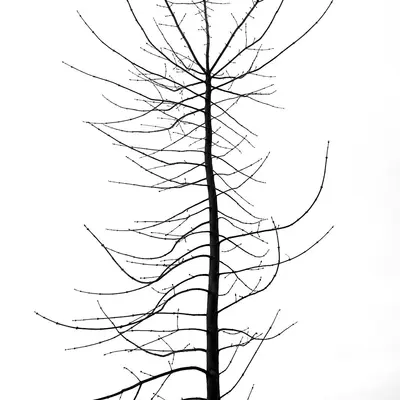
A native treasure that produces clouds of fragrant white flowers resembling fringe in late spring, earning it the nickname 'Old Man's Beard'. This adaptable small tree or large shrub offers multi-season interest with its showy blooms, bright yellow fall color, and dark blue berries on female plants. An excellent choice for naturalistic gardens and wildlife habitat.
Sun
Full sun to partial shade
Zones
3–9
USDA hardiness
Height
12-30 feet
Planting Timeline
Showing dates for Fringe Tree in USDA Zone 7
All Zone 7 ornamental-tree →Zone Map
Click a state to update dates
Fringe Tree · Zones 3–9
Growing Details
Complete Growing Guide
Light: Full sun (6 or more hours of direct sunlight a day), Partial Shade (Direct sunlight only part of the day, 2-6 hours). Soil: Clay, High Organic Matter, Loam (Silt), Sand. Soil pH: Neutral (6.0-8.0). Drainage: Good Drainage, Moist, Occasionally Dry, Occasionally Wet. Height: 12 ft. 0 in. - 30 ft. 0 in.. Spread: 12 ft. 0 in. - 20 ft. 0 in.. Spacing: 12-24 feet. Growth rate: Slow. Maintenance: Low. Regions: Coastal, Mountains, Piedmont.
Harvesting
Fertilized perfect or female flowers give way to clusters of olive-like fruits which ripen to a dark, bluish black from July to September and are a food source for birds and wildlife.
Color: Black, Blue. Type: Berry, Drupe. Length: < 1 inch. Width: < 1 inch.
Harvest time: Summer
Storage & Preservation
Fringe Tree flowers are best enjoyed fresh in arrangements. Keep cut branches in water at room temperature (65-75°F) with humidity around 50-60%. Fresh arrangements last 7-14 days with daily water changes. For preservation, press individual flowers between parchment paper for 2-3 weeks to create dried botanicals. Alternatively, dry entire flower sprays by hanging them upside down in a cool, dark space for 3-4 weeks. Freeze flowers in ice cubes with water for decorative use in beverages, lasting several months when stored at 0°F.
History & Origin
Native to the southeastern United States, Chionanthus virginicus has no recorded formal breeding history or documented originator, as it represents a naturally occurring species rather than a cultivated selection. The plant's common name "Fringe Tree" emerged from folk tradition in America, recognizing the distinctive feathery white flower clusters that appear in late spring. European botanists first described the species scientifically in the eighteenth century, though it remained relatively obscure in ornamental horticulture until the mid-twentieth century when native plant enthusiasm increased its availability in nurseries. Today it persists as a wild-collected species with no significant cultivar development, maintaining its status as a straightforward botanical introduction from eastern forests to gardens.
Origin: Central & Eastern U.S.A
Advantages
- +Attracts: Pollinators, Small Mammals, Songbirds
- +Low maintenance
Companion Plants
Azalea, Rhododendron, and Camellia are the strongest companions here because they share the same soil requirements — pH 5.0–6.5, good drainage, and acid-loving mycorrhizal communities — so a single soil amendment pass covers all of them. Ferns, Hosta, and Coral Bells work well underneath the canopy because they're genuinely tolerant of 4 hours or less of filtered light, and their shallow roots don't compete with the fringe tree's wider root zone. Black Walnut is the one to plant far away — its roots release juglone, a compound that disrupts root respiration in sensitive plants, and Chionanthus hasn't shown reliable tolerance to it. Large Pines create similar problems through root competition and the acidifying needle drop that can push soil pH below the 5.0 floor this tree already sits at.
Plant Together
Azalea
Similar acidic soil preferences and partial shade tolerance, creates layered woodland garden
Rhododendron
Complementary blooming periods and shared preference for well-draining, slightly acidic soil
Hosta
Thrives in partial shade beneath fringe tree canopy, provides contrasting foliage texture
Ferns
Excellent understory plants that appreciate the dappled shade and moisture retention
Coral Bells
Colorful foliage complements fringe tree's delicate flowers, tolerates partial shade
Wild Ginger
Native groundcover that thrives in similar woodland conditions and soil moisture
Astilbe
Feathery flowers complement fringe tree blooms, both prefer consistent moisture
Camellia
Similar soil pH requirements and provides winter interest when fringe tree is dormant
Keep Apart
Black Walnut
Produces juglone toxin that can inhibit growth and cause yellowing of fringe tree foliage
Eucalyptus
Allelopathic compounds in leaves and roots can suppress growth of nearby plants
Pine Trees
Heavy needle drop creates overly acidic conditions and competes aggressively for water
Pests & Disease Resistance
Resistance
Excellent disease resistance, very few problems
Common Pests
Scale insects, borers (rare)
Diseases
Leaf spot (minor), generally very healthy
Troubleshooting Fringe Tree
What you'll see, why it happens, and what to do about it.
Tan or brown circular spots on leaves mid-summer, sometimes with a yellow halo
Likely Causes
- Cercospora leaf spot or Phyllosticta leaf spot — both fungal, both largely cosmetic on an otherwise healthy tree
- Poor airflow from overcrowded planting within 10 feet of other shrubs
What to Do
- 1.Rake and bag fallen leaves in autumn — don't compost them, as the spores overwinter in debris
- 2.Avoid overhead irrigation; water at the root zone instead
- 3.No fungicide needed in most cases — a tree planted at the correct 15-20 foot spacing usually outgrows the problem on its own
Crusty, waxy bumps on twigs and branches, sometimes with sticky residue or sooty mold on leaves below
Likely Causes
- Oystershell scale (Lepidosaphes ulmi) or cottony maple scale — both sap-feeders that settle on bark
- The sticky honeydew they excrete hosts sooty mold fungus as a secondary problem
What to Do
- 1.In late winter before bud break, apply dormant horticultural oil at a 2% dilution to smother overwintering scale
- 2.For light infestations, scrub small branches with a soft brush and soapy water
- 3.Cut and dispose of any heavily encrusted branches — don't leave them on the ground near the tree
Sudden branch dieback on one side of the tree, with bark that looks sunken or discolored at the base of the dead limb
Likely Causes
- Flatheaded appletree borer (Chrysobothris femorata) — rare on Chionanthus virginicus but documented; larvae tunnel under bark and girdle branches
- Mechanical injury at the base — mower strike, string trimmer damage — that gave borers an entry point
What to Do
- 1.Prune the affected branch back to healthy wood (look for clean white tissue, not brown streaking) and dispose of the wood off-site
- 2.Wrap the trunk with a physical barrier — plastic tree guard or hardware cloth — to prevent the wounds borers use to get in
- 3.Hold off on high-nitrogen fertilizers; the soft, fast growth they push is more susceptible to borer entry than steady, moderate growth
Frequently Asked Questions
Is Fringe Tree a good choice for beginner gardeners?▼
When is the best time to plant a Fringe Tree?▼
Can you grow Fringe Tree in containers?▼
How long does it take Fringe Tree to flower?▼
What wildlife does Fringe Tree attract?▼
How big does a mature Fringe Tree grow?▼
Zone-by-Zone Planting Calendar
Growing Guides from Wind River Greens
Sources & References
External authority sources used in compiling this guide.
- ExtensionNC State Extension
See the Methodology page for how this data is sourced, what's AI-assisted, and known limitations.