Wonderful Pomegranate
Punica granatum 'Wonderful'
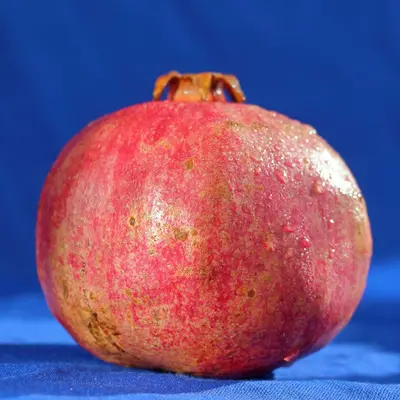
The most popular pomegranate variety in North America, producing large, deep red fruits bursting with ruby-colored arils that offer the perfect balance of sweet and tart flavors. This hardy, drought-tolerant tree rewards gardeners with stunning orange-red fall foliage and beautiful orange-red flowers in spring. It's exceptionally well-suited to hot, dry climates and requires minimal care once established.
Harvest
150-160d
Days to harvest
Sun
Full sun to partial shade
Zones
8–10
USDA hardiness
Height
10-12 feet
Planting Timeline
Showing dates for Wonderful Pomegranate in USDA Zone 8
All Zone 8 fruit-tree →Zone Map
Click a state to update dates
Wonderful Pomegranate · Zones 8–10
Growing Details
Complete Growing Guide
Light: Full sun (6 or more hours of direct sunlight a day), Partial Shade (Direct sunlight only part of the day, 2-6 hours). Soil: Clay, Loam (Silt), Sand. Soil pH: Acid (<6.0), Alkaline (>8.0), Neutral (6.0-8.0). Drainage: Good Drainage, Moist. Height: 10 ft. 0 in. - 12 ft. 0 in.. Spread: 8 ft. 0 in. - 10 ft. 0 in.. Spacing: 6-feet-12 feet. Growth rate: Medium. Regions: Coastal.
Harvesting
This fruit is usually about the size of a large orange 2"-4" in diameter. Once the leathery outer skin is removed, hundreds of red “seeds” are revealed. Although we may call these little fruit “seeds”, they are botanically known as arils. An aril is a fleshy, juicy, brightly colored tissue, which covers the actual seed. 2 to 3.5 in. edible fruit in fall; thick rind, seedy and tart
Color: Red/Burgundy. Type: Aggregate, Berry. Length: 1-3 inches.
Garden value: Edible, Showy
Harvest time: Fall
Storage & Preservation
Fresh Wonderful pomegranates store exceptionally well at room temperature for 1-2 months, or refrigerate for up to 4 months at 35-40°F with 90% humidity. Store whole fruits in perforated plastic bags in the refrigerator's crisper drawer to maintain optimal humidity.
For longer storage, remove arils and freeze them in single layers on baking sheets, then transfer to freezer bags for up to one year. Frozen arils work perfectly in smoothies and maintain their texture when thawed.
Juice preservation offers excellent results — fresh juice keeps refrigerated for one week or frozen for six months. Dehydrate arils at 135°F for 12-16 hours to create pomegranate 'caviar' that stores for months in airtight containers.
Traditional Middle Eastern preservation involves making pomegranate molasses by reducing fresh juice to a thick, tangy syrup that keeps indefinitely when properly canned using water bath methods.
History & Origin
Origin: NE. Turkey to Afghanistan
Advantages
- +Attracts: Hummingbirds
Companion Plants
Lavender, rosemary, and yarrow are the strongest companions here — all three are drought-tolerant once established, so they don't fight the pomegranate for water the way a thirsty annual would. Their flowers also draw parasitic wasps and predatory beetles that keep aphid and scale populations in check without any intervention on your part. Marigolds (specifically Tagetes patula, the French type) add another layer: their root exudates suppress root-knot nematodes, which is a real concern in the sandy, well-drained soils this tree prefers. Comfrey planted at the drip line earns its keep differently — cut the leaves and drop them as mulch every few weeks; they decompose fast and cycle potassium back into the top 12 inches where the feeder roots sit.
Black walnut is the one to pull off the list entirely. Juglone toxicity from its roots and decomposing hulls affects a wide range of woody plants, and Punica granatum is not reliably resistant. Fennel causes a quieter problem — its root allelopathy suppresses neighboring plants, and in the compact home orchards common around here in the Southeast, you'd rather not give up ground to a plant that's actively working against its neighbors.
Plant Together
Lavender
Repels aphids, moths, and other pests while attracting beneficial pollinators
Rosemary
Deters aphids, cabbage moths, and carrot flies with strong aromatic oils
Marigold
Repels nematodes and aphids while attracting beneficial insects
Comfrey
Deep roots bring nutrients to surface and provides potassium-rich mulch
Nasturtium
Acts as trap crop for aphids and attracts predatory insects
Chives
Repels aphids and improves soil health with sulfur compounds
Yarrow
Attracts beneficial insects and improves soil nutrients through deep taproot
Tansy
Repels ants, mice, and various insects that damage fruit trees
Keep Apart
Black Walnut
Produces juglone which is toxic to pomegranates and inhibits growth
Eucalyptus
Releases allelopathic compounds that inhibit growth of nearby plants
Fennel
Inhibits growth of most garden plants through allelopathic root secretions
Nutrition Facts
Per 100g serving. % Daily Value based on 2,000 calorie diet. Source: USDA FoodData Central (FDC #169134)
Pests & Disease Resistance
Resistance
Very good disease resistance, few serious issues
Common Pests
Aphids, pomegranate butterfly, scale insects
Diseases
Heart rot, bacterial blight (rare)
Troubleshooting Wonderful Pomegranate
What you'll see, why it happens, and what to do about it.
Fruit splits open on the tree before harvest, usually after a dry spell followed by heavy rain
Likely Causes
- Irregular irrigation — drought stress followed by sudden water uptake causes rind to expand faster than it can stretch
- Leaving fruit on the tree past peak ripeness (beyond day 160)
What to Do
- 1.Water on a consistent schedule — drip irrigation at 1-2 inches per week works better than infrequent deep soaks
- 2.Harvest promptly once the fruit sounds metallic when tapped and the skin has turned deep red; don't wait for it to look 'more ripe'
- 3.Mulch the root zone with 3-4 inches of wood chips to buffer soil moisture swings
Branches showing gummy, weeping cankers with dark, water-soaked bark; interior wood brown when cut
Likely Causes
- Heart rot (fungal wood decay, commonly Botryosphaeria spp.) — usually enters through pruning wounds or frost cracks
- Bacterial blight (Xanthomonas axonopodis) — less common but follows similar wounding patterns, especially after a wet spring
What to Do
- 1.Prune out affected wood at least 6 inches below the discolored tissue; sterilize your loppers with 70% isopropyl between cuts
- 2.Dispose of cut material in the trash — not the compost pile, not the brush heap nearby
- 3.Time major pruning for dry weather in late winter, before new growth pushes, to minimize open-wound exposure to rain splash
Frequently Asked Questions
How long does Wonderful pomegranate take to bear fruit?▼
Can you grow Wonderful pomegranate in containers?▼
What does Wonderful pomegranate taste like?▼
When should I plant Wonderful pomegranate trees?▼
Is Wonderful pomegranate good for beginners?▼
Why do Wonderful pomegranates split open on the tree?▼
Zone-by-Zone Planting Calendar
Growing Guides from Wind River Greens
Sources & References
External authority sources used in compiling this guide.
- ExtensionNC State Extension
- USDAUSDA FoodData Central
See the Methodology page for how this data is sourced, what's AI-assisted, and known limitations.