Spicy Micro Mix
Brassica spp.
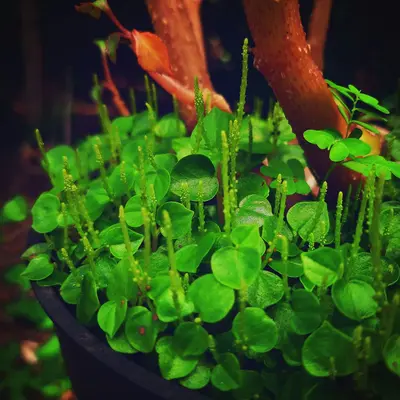
A colorful blend of red and green mustards with various textures. Spicy flavor pairs well with the Mild Micro Mix. Based on our yield trial, we recommend seeding 7.5 gm per tray at approx. 3.5 flats per oz of seed. Avg. days to maturity was 13.5 days when harvested at the first true leaf (as opposed to cotyledon) stage. Varieties are subject to change depending upon availability.
Harvest
10-15d
Days to harvest
Sun
Full sun to part shade
Zones
6–9
USDA hardiness
Height
0 ft. 10 in. - 2 ft. 0 in.
Planting Timeline
Showing dates for Spicy Micro Mix in USDA Zone 7
All Zone 7 microgreen →Zone Map
Click a state to update dates
Spicy Micro Mix · Zones 6–9
Growing Details
Succession Planting
Microgreens are the one crop where a weekly sow schedule pays off immediately. Start a fresh tray every 5–7 days and you'll pull a continuous harvest without any single tray sitting long enough to turn sharp and sulfurous. Because the whole operation happens indoors under lights, there's no frost date or heat cutoff — January through December is a real planting window. The only constraint is how much shelf space you have under your grow lights.
Complete Growing Guide
A colorful blend of red and green mustards with various textures. Spicy flavor pairs well with the Mild Micro Mix. Based on our yield trial, we recommend seeding 7.5 gm per tray at approx. 3.5 flats per oz of seed. Avg. days to maturity was 13.5 days when harvested at the first true leaf (as opposed to cotyledon) stage. Varieties are subject to change depending upon availability. According to Johnny's Selected Seeds, Spicy Micro Mix is 10 - 15 days to maturity, annual. Notable features: Easy Choice, Hydroponic Performer.
Light: Full sun (6 or more hours of direct sunlight a day), Partial Shade (Direct sunlight only part of the day, 2-6 hours). Soil: Clay, Loam (Silt), Sand. Soil pH: Acid (<6.0), Neutral (6.0-8.0). Drainage: Good Drainage, Moist. Height: 0 ft. 10 in. - 2 ft. 0 in.. Spread: 1 ft. 0 in. - 2 ft. 0 in.. Spacing: 12 inches-3 feet. Growth rate: Medium. Maintenance: Medium. Propagation: Seed, Stem Cutting. Regions: Coastal, Mountains, Piedmont.
Harvesting
Spicy Micro Mix reaches harvest at 10 - 15 days from sowing per Johnny's Selected Seeds. Expect 5 g at peak. As an annual, harvest continues until frost ends the season.
The fruits dry and split when ripe.
Color: Brown/Copper, Green. Type: Siliqua. Length: > 3 inches.
Garden value: Edible
Harvest time: Fall, Summer
Bloom time: Spring, Summer
Edibility: The foliage is edible raw or cooked but when cooked can emit an unpleasant odor.
Storage & Preservation
Harvest Spicy Micro Mix at peak tenderness (around day 10) and store immediately in a breathable container lined with paper towels at 32–40°F with 95% relative humidity; a sealed plastic clamshell works well for 7–10 days. These delicate greens deteriorate quickly once cut, so use within a week for best flavor and texture. Freezing is practical for batch use in soups and smoothies—simply blanch for 30 seconds, ice-bath, and freeze flat on trays before bagging. Drying concentrates the peppery bite; dehydrate at 95–105°F until crisp, then store in airtight containers. Fermentation is less common but viable: pack fresh greens with salt brine and let sit 3–7 days for a peppery condiment. Brassicas like these retain their sharp spice better through freezing than drying, making it the preferred method for preserving their characteristic heat.
History & Origin
The specific origin documentation for Spicy Micro Mix is limited, as microgreen blends are typically proprietary formulations developed by seed companies rather than formally registered varieties. This particular blend draws from the established lineage of Brassica microgreens, which derive from mustard and related cruciferous crops with centuries of cultivation history. The combination of red and green mustard varieties reflects modern microgreen industry practices, where seed producers blend complementary cultivars to optimize both visual appeal and flavor profiles. The formulation likely emerged within the past two decades as commercial microgreen production expanded, though the exact breeding program or seed company responsible for this specific mix remains undocumented.
Brassica is a genus of plants in the cabbage and mustard family (Brassicaceae). The members of the genus are informally known as cruciferous vegetables, cabbages, mustard plants, or simply brassicas. Crops from this genus are sometimes called cole crops—derived from the Latin caulis, denoting the stem or stalk of a plant.
Advantages
- +Vibrant red and green colors create visually appealing salad and plate garnishes.
- +Fast 10-15 day maturity enables quick production cycles and frequent harvests.
- +Spicy flavor complements milder microgreen varieties for balanced mixed microgreen blends.
- +Easy difficulty level makes it suitable for beginner microgreen growers.
- +Efficient seeding rate of 7.5 gm per tray optimizes seed usage and costs.
Considerations
- -Brassica varieties prone to fungal diseases in high humidity conditions.
- -Peppery heat intensity may be too strong for sensitive palates or children.
- -Seed variety subject to change limits consistency for commercial or branded offerings.
Companion Plants
Spicy micro mix grows in trays, not beds, so field companion logic doesn't map cleanly here — but if you're running multiple tray crops near a windowsill herb setup, chives are genuinely useful neighbors. They're not doing anything for root chemistry at this scale, but their volatile sulfur compounds deter fungus gnats (Bradysia species), which are about the only pest that reliably finds its way to indoor trays. Mint and fennel both off-gas volatile compounds in concentrations high enough in close quarters to muddy the flavor of delicate brassica cotyledons — keep them at least a few feet away. Marigolds and nasturtiums are better off outside in an actual bed.
Plant Together
Basil
Repels aphids and whiteflies, enhances flavor development in spicy greens
Marigold
Natural pest deterrent against aphids, spider mites, and fungus gnats
Chives
Repels aphids and thrips while improving overall garden health
Nasturtium
Acts as trap crop for aphids and adds natural pest protection
Parsley
Compatible growing requirements and attracts beneficial insects
Cilantro
Similar water and light needs, attracts beneficial predatory insects
Lettuce
Compatible shallow root system and similar growing conditions
Dill
Attracts beneficial insects and has similar microgreen growing requirements
Keep Apart
Mint
Aggressive root system can overtake microgreen growing space
Fennel
Allelopathic compounds inhibit germination and growth of most plants
Walnut
Juglone toxicity severely stunts growth of sensitive greens
Nutrition Facts
Per 100g serving. % Daily Value based on 2,000 calorie diet. Source: USDA FoodData Central (FDC #167782)
Troubleshooting Spicy Micro Mix
What you'll see, why it happens, and what to do about it.
White or gray fuzzy mold covering the seed hulls or base of stems within the first 5 days
Likely Causes
- Damping-off caused by Pythium or Rhizoctonia species — both thrive when humidity stays too high under a blackout dome
- Overwatering: standing moisture on the growing medium with no airflow
What to Do
- 1.Lift the blackout dome for 30 minutes twice daily to let excess moisture escape
- 2.Bottom-water only — pour water into the tray below and let the medium wick it up; never mist the seeds directly after the first soak
- 3.If mold is already visible, pull the affected tray immediately so spores don't spread to neighboring trays
Pale yellow or washed-out seedlings that are leggy and flopping over by day 8–10
Likely Causes
- Insufficient light — less than 12 hours of direct or grow-light exposure keeps brassica microgreens from greening up
- Left under the blackout cover too long after germination — more than 3–4 days post-sprout
What to Do
- 1.Move trays to a south-facing window or position them 2–4 inches under a full-spectrum grow light for 12–16 hours a day
- 2.Remove the blackout dome as soon as the majority of seeds have cracked and pushed up, typically around day 3–4
Sharp, sulfurous off-flavor at harvest even though the greens look healthy
Likely Causes
- Harvesting too late — mustard, arugula, and radish in a spicy mix turn acrid past the cotyledon stage once the first true leaves start to unfurl
- Ambient temps above 75°F accelerate glucosinolate development in Brassica spp., compressing the harvest window
What to Do
- 1.Cut at 10–12 days when cotyledons are fully open and green but no true leaves are showing — use clean scissors and cut just above the medium
- 2.Keep trays between 65°F and 72°F; avoid spots near heating vents or on top of warm appliances
Frequently Asked Questions
How long does it take to grow Spicy Micro Mix microgreens?▼
Is Spicy Micro Mix good for beginners?▼
What does Spicy Micro Mix taste like?▼
How much seed do I need per tray for Spicy Micro Mix?▼
Can I grow Spicy Micro Mix in containers?▼
What's the difference between Spicy Micro Mix and Mild Micro Mix?▼
Zone-by-Zone Planting Calendar
| Zone | Indoor Start | Transplant | Direct Sow | Harvest |
|---|---|---|---|---|
| Zone 3 | January – December | — | — | January – December |
| Zone 4 | January – December | — | — | January – December |
| Zone 5 | January – December | — | — | January – December |
| Zone 6 | January – December | — | — | January – December |
| Zone 7 | January – December | — | — | January – December |
| Zone 8 | January – December | — | — | January – December |
| Zone 9 | January – December | — | — | January – December |
| Zone 10 | January – December | — | — | January – December |
| Zone 1 | January – December | — | — | January – December |
| Zone 2 | January – December | — | — | January – December |
| Zone 11 | January – December | — | — | January – December |
| Zone 12 | January – December | — | — | January – December |
| Zone 13 | January – December | — | — | January – December |
Growing Guides from Wind River Greens
Sources & References
External authority sources used in compiling this guide.
- BreederJohnny's Selected Seeds
- USDAUSDA FoodData Central
See the Methodology page for how this data is sourced, what's AI-assisted, and known limitations.