Beas
Brassica oleracea var. gongylodes
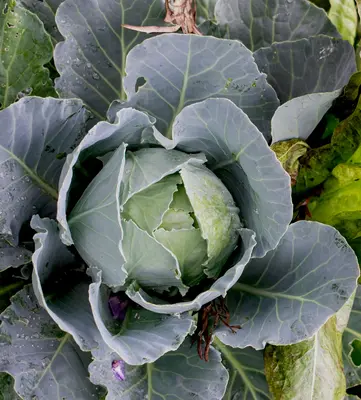
The first white kohlrabi. Beas is early and incredibly uniform. A real beauty with sweet, mild flavor and creamy internal color. Named for the Beas River in Northern India, where it was bred.
Harvest
42d
Days to harvest
Sun
Full sun to partial shade
Zones
6–9
USDA hardiness
Height
10-24 inches
Planting Timeline
Showing dates for Beas in USDA Zone 7
All Zone 7 brassica →Zone Map
Click a state to update dates
Beas · Zones 6–9
Growing Details
Succession Planting
Kohlrabi turns woody and bitter fast once heat arrives, so the planting window is tighter than most vegetables. In zone 7, direct sow or transplant every 14–21 days from late March through early May for a spring run, then pick back up with late-August through September sowings for fall. Cut off spring plantings once daytime highs are consistently above 80°F — bulbs stall and push to flower before they size up. Beas hits harvest at 42 days, which is quick enough to fit 3–4 successions into a solid spring window if you start the first sowing on schedule.
Complete Growing Guide
The first white kohlrabi. Beas is early and incredibly uniform. A real beauty with sweet, mild flavor and creamy internal color. Named for the Beas River in Northern India, where it was bred. According to Johnny's Selected Seeds, Beas is 42 days to maturity, annual, hybrid (f1).
Light: Full sun (6 or more hours of direct sunlight a day), Partial Shade (Direct sunlight only part of the day, 2-6 hours). Soil: Clay, Loam (Silt), Sand. Soil pH: Acid (<6.0), Neutral (6.0-8.0). Drainage: Good Drainage, Moist. Height: 0 ft. 10 in. - 2 ft. 0 in.. Spread: 1 ft. 0 in. - 2 ft. 0 in.. Spacing: 12 inches-3 feet. Growth rate: Medium. Maintenance: Medium. Propagation: Seed, Stem Cutting. Regions: Coastal, Mountains, Piedmont.
Harvesting
Beas reaches harvest at 42 days from sowing per Johnny's Selected Seeds. As an annual, harvest continues until frost ends the season.
The fruits dry and split when ripe.
Color: Brown/Copper, Green. Type: Siliqua. Length: > 3 inches.
Garden value: Edible
Harvest time: Fall, Summer
Edibility: The foliage is edible raw or cooked but when cooked can emit an unpleasant odor.
Storage & Preservation
Store freshly harvested Beas kohlrabi in the refrigerator at 32–40°F with 90–95% humidity, preferably in perforated plastic bags or ventilated containers to prevent moisture loss while allowing air circulation. Remove leaves before storage to extend shelf life. Under these conditions, the bulbs will keep for 3–4 weeks, though quality gradually declines as they become woody.
Freezing works well for kohlrabi: peel, cube, blanch for 3 minutes, cool in ice water, drain thoroughly, then freeze in airtight containers for up to 10 months. Pickling is popular and preserves the crisp texture—slice thinly and process in a vinegar brine. Drying is less common but possible; thin slices dried completely can be rehydrated for soups and stews.
Beas has notably thin, tender skin compared to other kohlrabi types, making it less suitable for long-term storage but ideal for fresh use and quick preservation methods like pickling within a few days of harvest.
History & Origin
Beas is an F1 hybrid developed through controlled cross-pollination. Listed in the Johnny's Selected Seeds catalog.
Origin: W. Europe
Advantages
- +Early 42-day maturity means quick harvests and succession planting opportunities
- +Exceptional uniformity makes Beas ideal for commercial production and presentation
- +Creamy internal color and sweet mild flavor appeal to diverse palates
- +White exterior stands out visually and attracts premium market prices
Considerations
- -White skin may show dirt and blemishes more obviously than colored varieties
- -Short harvest window requires careful timing to avoid oversized, woody bulbs
- -Limited heat tolerance compared to some modern kohlrabi selections
Companion Plants
Nasturtiums act as a trap crop for aphids, pulling them off the kohlrabi and onto stems you can cut and discard — a more reliable mechanism than a lot of companion claims. French marigolds (Tagetes patula specifically) suppress soil nematode populations with root exudates when grown as a solid planting, which NC State Extension notes in its IPM guidance. Onions and garlic planted at 6–8 inch intervals around the bed disrupt the scent cues cabbage moths and aphids use to locate brassicas. Keep tomatoes and pole beans out — both are vigorous enough to shade and outcompete kohlrabi's shallow roots, and tomatoes carry enough overlapping pest load to make the bed harder to manage.
Plant Together
Dill
Attracts beneficial insects like parasitic wasps that control cabbage worms
Nasturtiums
Acts as trap crop for aphids and flea beetles, draws pests away from brassicas
Onions
Repels cabbage flies, aphids, and cabbage worms with strong sulfur compounds
Marigolds
Deters cabbage moths and whiteflies, reduces soil nematodes
Lettuce
Provides ground cover and efficient space usage, doesn't compete for nutrients
Celery
Repels cabbage white butterflies and improves growth of brassicas
Garlic
Natural fungicide properties, deters aphids and cabbage root fly
Mint
Repels ants, cabbage moths, and flea beetles with strong aromatic oils
Keep Apart
Strawberries
Compete for nutrients and may be stunted by brassica root exudates
Tomatoes
Both are heavy feeders competing for nutrients, tomatoes may inhibit brassica growth
Pole beans
Can shade brassicas and compete for nitrogen, reducing cabbage head formation
Nutrition Facts
Per 100g serving. % Daily Value based on 2,000 calorie diet. Source: USDA FoodData Central (FDC #747447)
Pests & Disease Resistance
Common Pests
Cabbage moths, flea beetles, aphids, cabbage loopers
Diseases
Black rot, clubroot, powdery mildew
Troubleshooting Beas
What you'll see, why it happens, and what to do about it.
Tiny round holes scattered across leaves, worst on young transplants in the first 2–3 weeks after setting out
Likely Causes
- Flea beetles — small, jumping, dark beetles that chew a shotgun-blast pattern in foliage
- Transplant stress slows recovery; root-bound or heat-stressed starts take the longest to grow past the damage
What to Do
- 1.Cover transplants immediately with row cover (Agribon AG-19 or similar) and leave it on until the plants are well established
- 2.If beetles are already present, apply kaolin clay or spinosad — spinosad is more effective once pressure is heavy
- 3.Get transplants in the ground before they're root-bound; stressed starts are slower to outpace the feeding
V-shaped yellow lesions on leaf margins, eventually browning, with darkened veins visible when you hold the leaf to light — spreading from outer leaves inward
Likely Causes
- Black rot (Xanthomonas campestris pv. campestris) — a bacterial disease that enters through leaf margins and moves through the vascular system
- Overhead irrigation or heavy rain that keeps foliage wet and splashes soil onto leaves
What to Do
- 1.Pull and bag infected leaves or whole plants — do not compost them
- 2.Switch to drip irrigation if you're running overhead; wet foliage is the main transmission route
- 3.Rotate out of brassicas for at least 2 seasons in affected beds; the pathogen persists in soil and on crop debris
Plants stunted and yellowing with swollen, distorted roots — bulbs barely size up even by day 42
Likely Causes
- Clubroot (Plasmodiophora brassicae) — a soil-borne pathogen that thrives in acidic, wet conditions
- Infected transplants or tools moved between beds without cleaning
What to Do
- 1.Lime the bed to raise pH above 7.2 before planting — clubroot pressure drops significantly above that threshold
- 2.Don't replant brassicas in a confirmed clubroot bed for at least 7 years; there's no practical soil cure once it's established
- 3.Source certified disease-free transplants and scrub tools with a 10% bleach solution when moving between beds
White powdery coating on upper leaf surfaces, showing up most often once nights cool below 60°F while days stay warm
Likely Causes
- Powdery mildew — fungal, favored by the warm-day/cool-night temperature swing common in late season
- Dense planting that cuts airflow between plants
What to Do
- 1.Space plants at least 18 inches apart — 24 inches if you've had mildew problems in that bed before
- 2.Apply potassium bicarbonate or neem oil at first sign; once it's covering more than a third of the leaf surface, you're mostly doing damage control
- 3.Beas matures in 42 days, so time your last sowing so bulbs are sizing up before late-season mildew pressure builds — don't give the fungus a head start
Frequently Asked Questions
How long does Beas kohlrabi take to harvest?▼
Is Beas kohlrabi good for beginner gardeners?▼
Can you grow Beas kohlrabi in containers?▼
What does Beas kohlrabi taste like?▼
When should I plant Beas kohlrabi?▼
How much sun does Beas kohlrabi need?▼
Zone-by-Zone Planting Calendar
| Zone | Indoor Start | Transplant | Direct Sow | Harvest |
|---|---|---|---|---|
| Zone 3 | March – April | May – June | May – June | June – October |
| Zone 4 | March – April | May – June | April – June | June – October |
| Zone 5 | February – March | April – May | April – May | May – November |
| Zone 6 | February – March | April – May | April – May | May – November |
| Zone 7 | February – March | April – May | March – May | April – November |
| Zone 8 | January – February | March – April | March – April | April – December |
| Zone 9 | January – January | February – March | February – March | March – December |
| Zone 10 | January – January | February – March | January – March | February – December |
| Zone 1 | April – May | June – July | June – July | July – September |
| Zone 2 | April – May | June – July | May – July | June – September |
| Zone 11 | January – January | January – February | January – February | January – December |
| Zone 12 | January – January | January – February | January – February | January – December |
| Zone 13 | January – January | January – February | January – February | January – December |
Growing Guides from Wind River Greens
Sources & References
External authority sources used in compiling this guide.
- BreederJohnny's Selected Seeds
- USDAUSDA FoodData Central
See the Methodology page for how this data is sourced, what's AI-assisted, and known limitations.