Brown Turkey Fig
Ficus carica 'Brown Turkey'
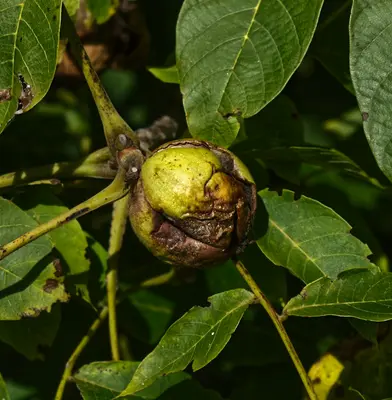
A cold-hardy fig variety that brings Mediterranean flavors to temperate gardens with remarkable reliability. This vigorous grower produces two crops per year of medium-sized, brownish-purple figs with sweet pink flesh that tastes like honey and jam combined. Brown Turkey is incredibly productive and one of the most adaptable figs for home gardeners, even surviving winters in zone 7 with protection.
Harvest
120-150d
Days to harvest
Sun
Full sun to partial shade
Zones
7–10
USDA hardiness
Height
10-30 feet
Planting Timeline
Showing dates for Brown Turkey Fig in USDA Zone 7
All Zone 7 fruit-tree →Zone Map
Click a state to update dates
Brown Turkey Fig · Zones 7–10
Growing Details
Complete Growing Guide
Light: Full sun (6 or more hours of direct sunlight a day), Partial Shade (Direct sunlight only part of the day, 2-6 hours). Soil: High Organic Matter. Soil pH: Acid (<6.0), Neutral (6.0-8.0). Drainage: Good Drainage, Moist. Height: 10 ft. 0 in. - 30 ft. 0 in.. Spread: 10 ft. 0 in. - 30 ft. 0 in.. Spacing: 6-feet-12 feet, 12-24 feet. Growth rate: Rapid. Maintenance: Medium. Propagation: Layering, Stem Cutting. Regions: Coastal, Piedmont.
Harvesting
The infructescence is a ripened receptacle (syconium), not an ovary, that forms in late summer or fall on new wood. Sometimes a small second spring fruiting on new wood occurs. It is 2-4 in. long and may be a number of colors depending on the cultivar. Fruits develop without the need for pollination.
Color: Black, Brown/Copper, Green, Purple/Lavender. Length: 1-3 inches. Width: 1-3 inches.
Garden value: Edible, Showy
Harvest time: Fall, Summer
Edibility: Fruits are highly edible fresh, cooked, used in preserves, or dried.
Storage & Preservation
Fresh Brown Turkey figs keep only 2-3 days at room temperature, so refrigerate immediately after harvest in a single layer on paper towels. They'll last up to one week in the refrigerator but are best eaten within 2-3 days for optimal texture and flavor.
For longer storage, Brown Turkey figs excel at drying due to their naturally high sugar content. Cut in half and dehydrate at 135°F for 12-18 hours, or sun-dry on screens for 3-4 days in hot, dry climates. Properly dried figs keep for months in airtight containers.
Fresh figs freeze beautifully whole—simply wash, dry, and freeze on baking sheets before transferring to freezer bags. Frozen figs work perfectly for smoothies, baking, or making preserves. The high pectin content makes Brown Turkey figs ideal for jams and preserves that set beautifully without added pectin.
History & Origin
Origin: Mediterranean to Central Asia
Advantages
- +Attracts: Songbirds
- +Edible: Fruits are highly edible fresh, cooked, used in preserves, or dried.
- +Fast-growing
Considerations
- -Toxic (Sap/Juice): Low severity
- -Causes contact dermatitis
Companion Plants
Lavender and rosemary pull double duty here — both thrive in the same well-drained, wide-pH-range soil (6.0-8.0) that Brown Turkey prefers, and their volatile oils interfere with scale insects and aphids locating new growth. Comfrey planted at the drip line is worth the space: its roots go down 4-6 feet and pull up calcium and potassium that a shallow mulch can't reach; chop the leaves every few weeks and drop them under the canopy as a free slow-release feed. Keep mint in a buried container rather than loose — left to run, it'll colonize the root zone and compete directly for water during the dry spells when a young fig needs steady moisture most. Black walnut is the serious hazard: juglone, the allelopathic compound in its root exudate, is documented by NC State Extension as toxic to Ficus carica, and a walnut's root zone can extend well past its canopy drip line.
Plant Together
Lavender
Repels ants and aphids while attracting beneficial pollinators
Rosemary
Deters fig beetles and other pests with strong aromatic oils
Comfrey
Deep roots bring up nutrients and leaves provide potassium-rich mulch
Nasturtiums
Acts as trap crop for aphids and cucumber beetles
Chives
Repels aphids and may deter nematodes with sulfur compounds
Marigolds
Repel root-knot nematodes and whiteflies through natural compounds
Mint
Deters ants and rodents that may damage figs
Yarrow
Attracts beneficial insects and improves soil health
Keep Apart
Black Walnut
Produces juglone toxin that inhibits fig tree growth and fruit production
Fennel
Releases allelopathic compounds that stunt growth of nearby plants
Large Pine Trees
Create excessive shade and acidify soil, hindering fig growth and fruiting
Nutrition Facts
Per 100g serving. % Daily Value based on 2,000 calorie diet. Source: USDA FoodData Central (FDC #173021)
Pests & Disease Resistance
Resistance
Generally disease resistant, good pest resistance
Common Pests
Fig beetles, scale insects, nematodes, birds
Diseases
Fig rust, leaf spot, root rot in poorly drained soils
Troubleshooting Brown Turkey Fig
What you'll see, why it happens, and what to do about it.
Orange or rust-colored powdery pustules on the undersides of leaves, with corresponding yellow spots on top, appearing mid to late summer
Likely Causes
- Fig rust (Cerotelium fici) — a fungal disease that spreads via airborne spores, worst in humid conditions with poor airflow
- Overhead watering that keeps foliage wet for extended periods
What to Do
- 1.Strip and bag infected leaves — don't compost them
- 2.Water at the base, not overhead, and do it in the morning so the canopy dries quickly
- 3.Apply a copper-based fungicide every 10-14 days if the infection is spreading; it won't cure what's already infected but slows the spread
Fruit splitting open or dropping before fully ripe, often after a dry spell followed by heavy rain or deep watering
Likely Causes
- Inconsistent soil moisture — the tree takes up water rapidly after drought stress, expanding the fruit faster than the skin can stretch
- Overripe fruit left on the tree too long, which also invites fig beetles (Cotinis mutabilis)
What to Do
- 1.Mulch 4-6 inches deep around the root zone to even out soil moisture swings
- 2.Water deeply once a week during fruit development rather than letting the soil go bone dry between sessions
- 3.Harvest figs as soon as they hang down and feel soft — don't wait for them to look perfect from a distance
Frequently Asked Questions
How long does Brown Turkey fig take to produce fruit?▼
Can you grow Brown Turkey fig in containers?▼
What does Brown Turkey fig taste like?▼
Is Brown Turkey fig good for beginners?▼
When should I plant Brown Turkey fig?▼
Brown Turkey vs Chicago Hardy fig—what's the difference?▼
Zone-by-Zone Planting Calendar
Growing Guides from Wind River Greens
Sources & References
External authority sources used in compiling this guide.
See the Methodology page for how this data is sourced, what's AI-assisted, and known limitations.