Pothos
Epipremnum aureum
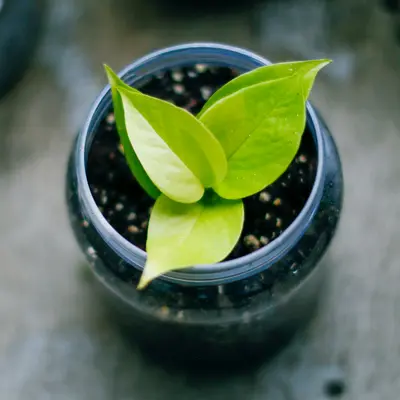
The quintessential trailing houseplant beloved for its heart-shaped leaves and incredible adaptability to almost any indoor condition. Often called 'Devil's Ivy' for its nearly indestructible nature, this fast-growing vine looks stunning cascading from shelves or climbing up supports. Its variegated golden and green foliage brightens any corner while being nearly impossible to kill.
Sun
Partial shade
Zones
10–12
USDA hardiness
Height
6-8 inches
Complete Growing Guide
Light: Dappled Sunlight (Shade through upper canopy all day), Deep shade (Less than 2 hours to no direct sunlight), Partial Shade (Direct sunlight only part of the day, 2-6 hours). Soil: High Organic Matter, Loam (Silt), Shallow Rocky. Drainage: Good Drainage, Occasionally Dry. Height: 0 ft. 6 in. - 0 ft. 8 in.. Spread: 13 ft. 0 in. - 40 ft. 0 in.. Spacing: 12 inches-3 feet, 3 feet-6 feet, 6-feet-12 feet, 12-24 feet, 24-60 feet. Growth rate: Medium. Maintenance: Low. Propagation: Stem Cutting. Regions: Coastal, Mountains, Piedmont.
Harvesting
Red-orange when ripe. Houseplants rarely if ever produce fruits.
Color: Orange, Red/Burgundy. Type: Berry.
Storage & Preservation
Pothos is a living houseplant, not harvested produce, so traditional storage doesn't apply. Keep your plant in a warm indoor environment (65-85°F) with moderate humidity (40-60%). The plant thrives year-round indoors on shelves, windowsills, or hanging baskets away from direct sunlight. To preserve and propagate: stem cuttings root easily in water within 1-2 weeks, then transfer to soil for ongoing growth. Prune regularly to encourage bushier growth and remove dead foliage. Repot every 12-18 months using fresh potting mix to maintain vigor and prevent root-bound conditions.
History & Origin
Origin: Society Islands
Advantages
- +Low maintenance
Considerations
- -Toxic (Flowers, Fruits, Leaves, Roots, Seeds, Stems): Medium severity
- -Causes contact dermatitis
Companion Plants
Pothos groups well with other low-to-medium-light tropicals — Snake Plant, ZZ Plant, Philodendron, and Peace Lily all share similar watering rhythms, so nothing in the group gets neglected or drowned when you're managing them together. Boston Fern and Monstera fit too, though the fern will want its soil a little more consistently damp than the rest. Skip succulents, cacti, and Fiddle Leaf Fig: the first two need soil that dries out completely between waterings (the opposite schedule from pothos), and Fiddle Leaf Figs demand enough specific fussing over light angles and draft avoidance that pairing them with a low-maintenance plant tends to mean one of them gets mismanaged.
Plant Together
Snake Plant
Similar light and water requirements, both tolerate neglect well
ZZ Plant
Compatible watering schedule and both thrive in low to medium light
Philodendron
Same family with identical care needs and humidity preferences
Spider Plant
Both are trailing plants with similar light requirements and pest resistance
Rubber Plant
Complementary growth habits and both prefer consistent but not excessive watering
Peace Lily
Similar humidity needs and both indicate watering needs clearly
Monstera
Same Araceae family with matching light and humidity requirements
Boston Fern
Both prefer humid conditions and indirect light, create good microclimate together
Keep Apart
Succulents
Vastly different watering needs - succulents need dry periods while pothos prefers consistent moisture
Fiddle Leaf Fig
Requires much brighter light and different watering schedule than pothos
Cacti
Opposite water requirements and light needs can lead to overwatering of cacti
Pests & Disease Resistance
Resistance
Very resistant to diseases with proper care
Common Pests
Mealybugs, spider mites, scale insects
Diseases
Root rot from overwatering, bacterial leaf spot
Troubleshooting Pothos
What you'll see, why it happens, and what to do about it.
Yellowing leaves, mushy stems at the soil line, soggy potting mix that smells sour
Likely Causes
- Root rot (Pythium spp. or Phytophthora spp.) from consistently wet soil or a pot with no drainage
- Watering on a fixed schedule instead of checking the top inch of soil first
What to Do
- 1.Unpot the plant, cut off any black or mushy roots with clean scissors, and let the root ball air-dry for 30 minutes before repotting into fresh, well-draining mix
- 2.Switch to a pot with at least one drainage hole — terracotta dries faster than plastic and helps prevent repeat problems
- 3.Water only when the top inch of soil is dry to the touch, which in most indoor conditions means every 7-10 days in summer and every 14 or more days in winter
Tiny white cottony clusters tucked into leaf joints and along stems, leaves look sticky or slightly curled
Likely Causes
- Mealybugs (Pseudococcus longispinus or Planococcus citri) — common on houseplants year-round, often hitchhike in on new plant purchases
What to Do
- 1.Dab individual clusters directly with a cotton swab soaked in 70% isopropyl alcohol — the alcohol kills on contact
- 2.Follow up with a spray of insecticidal soap (1 tablespoon per quart of water) on the whole plant, covering undersides of leaves; repeat every 5-7 days for 3 weeks
- 3.Quarantine the plant from other houseplants immediately — mealybugs spread fast to Snake Plants, Philodendrons, and anything else sharing a shelf
Brown water-soaked spots on leaves, sometimes with a yellow halo, that don't dry out and spread after misting or high humidity
Likely Causes
- Bacterial leaf spot (Pseudomonas cichorii or Erwinia spp.) — thrives when water sits on leaves, especially in low-airflow indoor spaces
- Misting the foliage directly, which is common advice but creates exactly the wet-leaf conditions bacteria need to spread
What to Do
- 1.Cut off badly spotted leaves at the stem and throw them in the trash, not the compost
- 2.Stop misting — if humidity is the goal, set the pot on a tray of pebbles with a shallow layer of water underneath instead
- 3.Run a small fan on low nearby; even modest airflow in a closed room dries leaf surfaces fast enough to break the cycle
Frequently Asked Questions
Is Pothos a good plant for beginners?▼
How often should I water my Pothos plant?▼
Can you grow Pothos in containers indoors?▼
How long does Pothos take to grow full and mature?▼
What light conditions does Pothos need?▼
How do you propagate Pothos from cuttings?▼
Growing Guides from Wind River Greens
Sources & References
External authority sources used in compiling this guide.
- ExtensionNC State Extension
See the Methodology page for how this data is sourced, what's AI-assisted, and known limitations.