Sundrops
Oenothera fruticosa
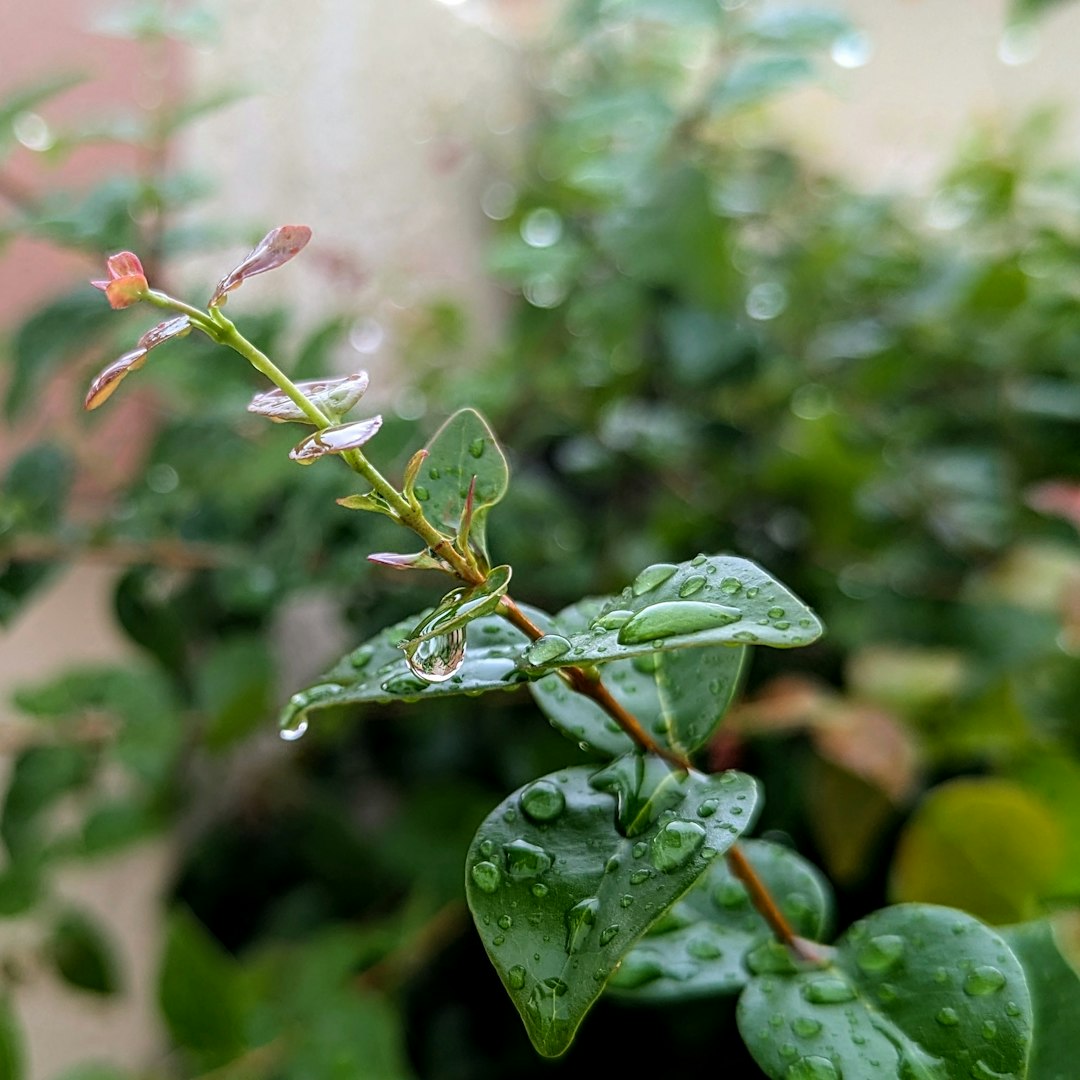
Sundrops (Oenothera fruticosa) is a perennial native wildflower. Hardy in USDA zones 4 to 8. Prefers full sun.
Sun
Full sun to partial shade
Zones
4–8
USDA hardiness
Height
16-18 inches
Planting Timeline
Showing dates for Sundrops in USDA Zone 7
All Zone 7 native-wildflower →Zone Map
Click a state to update dates
Sundrops · Zones 4–8
Growing Details
Complete Growing Guide
Light: Full sun (6 or more hours of direct sunlight a day), Partial Shade (Direct sunlight only part of the day, 2-6 hours). Soil: Clay, Loam (Silt), Sand, Shallow Rocky. Soil pH: Acid (<6.0), Alkaline (>8.0), Neutral (6.0-8.0). Drainage: Good Drainage, Moist, Occasionally Dry. Height: 1 ft. 4 in. - 1 ft. 6 in.. Spread: 1 ft. 0 in. - 3 ft. 0 in.. Spacing: 12 inches-3 feet. Growth rate: Medium. Maintenance: Low. Propagation: Division, Seed, Stem Cutting. Regions: Coastal, Mountains, Piedmont.
Harvesting
The seed capsule is shaped like a club at the top and tapers to a slender stalk. Fruits are available May-November.
Type: Capsule. Length: < 1 inch. Width: < 1 inch.
Harvest time: Fall, Summer
Storage & Preservation
Sundrops are primarily ornamental wildflowers grown for their beautiful yellow blooms rather than for consumption. Fresh-cut flowers should be displayed in a cool room (65-72°F) away from direct sunlight and ripening fruit, which produces ethylene gas. Change water every 2-3 days for a vase life of 5-7 days. For preservation, press flowers between parchment paper and heavy books for 2-3 weeks to create dried specimens for crafts or herbals. Alternatively, air-dry flower stems upside-down in bundles in a dark, well-ventilated space for 1-2 weeks. For seed collection, allow flower heads to dry naturally on the plant, then harvest and store seeds in a cool, dry location.
History & Origin
Oenothera fruticosa, commonly called Sundrops, is a native North American wildflower with roots in the eastern United States, where it grows naturally in open woodlands and meadows. While specific breeding documentation is limited, this species represents a long heritage of native plant appreciation rather than formal horticultural development. The variety has been selectively propagated and distributed through native plant nurseries and seed companies over recent decades as interest in native wildflower gardening has grown. Unlike many ornamentals developed through deliberate breeding programs, Sundrops emerged into cultivation through botanical observation and ecological restoration efforts, making it part of a broader movement to preserve and promote native flora in residential landscapes.
Origin: Eastern North America
Advantages
- +Attracts: Hummingbirds, Pollinators, Songbirds, Specialized Bees
- +Low maintenance
Companion Plants
Purple Coneflower (Echinacea purpurea), Black-eyed Susan (Rudbeckia hirta), and Wild Bergamot (Monarda fistulosa) bloom in overlapping windows with Sundrops and tolerate the same wide pH range (6.0–8.0), so you're not fighting competing cultural needs. Little Bluestem Grass adds vertical structure at 3–4 feet without shading the 16–18-inch Sundrops beneath it, and Yarrow pulls in predatory wasps that keep Aphis spp. populations from building up. Crown Vetch and Tree of Heaven are a different matter — both colonize aggressively through rhizome and root sprout respectively, and they'll crowd Sundrops out below ground well before the damage shows up in the foliage.
Plant Together
Purple Coneflower
Attracts beneficial pollinators and has similar sun and soil requirements
Black-eyed Susan
Complementary blooming periods and attracts beneficial insects while deterring pests
Wild Bergamot
Natural pest deterrent that repels ants and rodents while attracting pollinators
Little Bluestem Grass
Provides structural support and creates beneficial microclimate without competing for nutrients
Yarrow
Improves soil health and attracts beneficial predatory insects that control pests
Wild Lupine
Fixes nitrogen in soil, improving nutrient availability for sundrops
Butterfly Weed
Attracts beneficial pollinators and has complementary root depth reducing competition
Wild Ginger
Provides ground cover and pest deterrent properties without competing for light
Keep Apart
Tree of Heaven
Produces allelopathic chemicals that inhibit growth of native wildflowers
Crown Vetch
Aggressive spreader that outcompetes native plants for space and nutrients
Purple Loosestrife
Invasive species that crowds out native wildflowers and alters soil conditions
Pests & Disease Resistance
Common Pests
Aphids, spider mites, scale insects
Diseases
Root rot (in poorly drained soil), powdery mildew (in humid conditions)
Troubleshooting Sundrops
What you'll see, why it happens, and what to do about it.
Leaves curling or puckering, with sticky residue on stems and undersides of foliage
Likely Causes
- Aphid colonies (often Aphis spp.) clustering on new growth
- Ant activity farming aphids — ants protect the colony and move it around the plant
What to Do
- 1.Knock aphids off with a firm spray of water from a hose — repeat every 2-3 days until the population collapses
- 2.If the infestation is heavy, apply insecticidal soap directly to affected stems and undersides of leaves
- 3.Check for ant trails up the stem; banding the base with a sticky barrier can break the ant-aphid cycle
White powdery coating on upper leaf surfaces, usually appearing mid-summer when nights cool down
Likely Causes
- Powdery mildew (Erysiphe or Golovinomyces spp.) — fungal spores spread by wind, thrives when humidity is high but leaves are dry
- Poor air circulation from crowded planting at less than 12-inch spacing
What to Do
- 1.Cut back affected stems by about one-third; the new growth that follows is usually clean
- 2.Thin clumps so crowns sit at least 12 inches apart — Sundrops spread by rhizome and get congested faster than you expect
- 3.A diluted baking soda spray (1 tablespoon per gallon of water) can slow spread if caught early, but it won't reverse existing infection
Stems wilting and collapsing at the base, roots appearing brown and mushy when pulled
Likely Causes
- Root rot — most often Phytophthora or Pythium spp. — triggered by standing water or consistently saturated soil
- Heavy clay soil with no amendment, trapping moisture around the crown
What to Do
- 1.Pull the affected plant and dispose of it in the trash, not the compost
- 2.Before replanting, work in 2-3 inches of coarse grit or finished compost to open up compacted clay
- 3.Pick a spot that drains within an hour after a heavy rain; Oenothera fruticosa tolerates dry spells far better than soggy roots
Frequently Asked Questions
How long do Sundrops flowers last when cut?▼
Are Sundrops good for beginning gardeners?▼
Can you grow Sundrops in containers?▼
When should I plant Sundrops?▼
How much sun do Sundrops need?▼
What does the Sundrops flower look like?▼
Zone-by-Zone Planting Calendar
Growing Guides from Wind River Greens
Sources & References
External authority sources used in compiling this guide.
- ExtensionNC State Extension
See the Methodology page for how this data is sourced, what's AI-assisted, and known limitations.