Trout Lily
Erythronium americanum
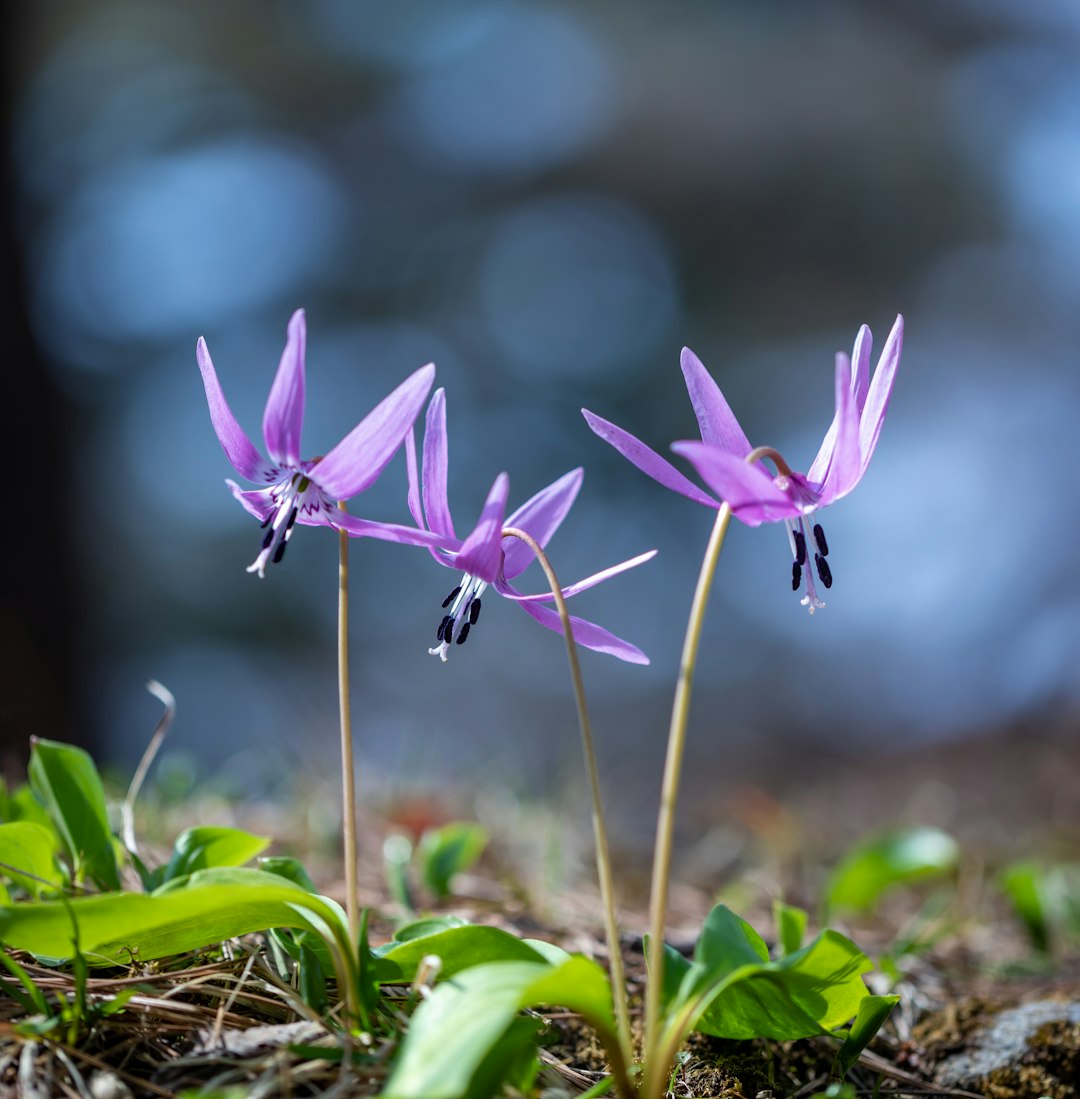
Trout Lily (Erythronium americanum) is a perennial native wildflower. Hardy in USDA zones 3 to 8. Prefers part sun.
Sun
Partial shade
Zones
3–8
USDA hardiness
Height
4-6 inches
Planting Timeline
Showing dates for Trout Lily in USDA Zone 7
All Zone 7 native-wildflower →Zone Map
Click a state to update dates
Trout Lily · Zones 3–8
Growing Details
Complete Growing Guide
Light: Deep shade (Less than 2 hours to no direct sunlight), Partial Shade (Direct sunlight only part of the day, 2-6 hours). Soil: High Organic Matter, Loam (Silt). Soil pH: Acid (<6.0). Drainage: Good Drainage, Moist, Occasionally Wet. Height: 0 ft. 4 in. - 0 ft. 6 in.. Spread: 0 ft. 4 in. - 0 ft. 6 in.. Spacing: Less than 12 inches. Growth rate: Rapid. Maintenance: Medium. Propagation: Division, Seed. Regions: Coastal, Mountains, Piedmont.
Harvesting
After flowering a rounded capsule is formed that splits into 3 parts to release two or more seeds.
Type: Capsule. Length: < 1 inch. Width: < 1 inch.
Storage & Preservation
Trout Lily is not typically stored for consumption, as it's a woodland ornamental rather than an edible crop. However, cut flowers can be preserved in a vase for 1–2 weeks with fresh water changed every 2–3 days and stems re-cut at an angle every few days.
**Flower Drying for Arrangements** For longer-term enjoyment, dry flowers upside-down in a cool, dark, well-ventilated space. Hang small bunches with rubber bands or place individual blooms on a screen. Drying takes 2–3 weeks. Dried flowers retain their delicate form and pale yellow color and are beautiful in herbarium displays or dried arrangements.
**Bulb Storage** If you've purchased bulbs and need to store them before planting, keep them in a cool (50–60°F), dark location with moderate humidity—a basement shelf or garage works well. Place them in a breathable bag or crate with slightly dampened peat moss or sawdust to prevent total drying. Most bulbs should be planted within a few weeks of purchase; extended storage (more than 2–3 months) risks mold or sprouting.
**Seed Storage** If collecting seed from mature plants (after flowering, let seed pods dry on the plant), store dried seeds in a cool, dry place in a paper envelope. Properly stored seeds remain viable for 1–2 years, though fresh seed germinates most reliably. Do not store in airtight plastic containers, which can trap moisture.
History & Origin
Origin: Eastern Canada to North Central & Eastern U.S.A
Advantages
- +Early spring blooms provide food for emerging pollinators
- +Mottled leaves add ornamental interest even before flowering
- +Thrives in shaded woodland areas where few plants grow
- +Naturalizes well and spreads gradually through corm division
- +Cold hardy across northern zones with minimal winter protection
Considerations
- -Takes 7-8 years from seed to produce first flowers
- -Requires consistently moist soil; dislikes drought conditions
- -Slow to establish and spread compared to aggressive perennials
- -Susceptible to rust and leaf spot in humid conditions
Companion Plants
Wild Ginger (Asarum canadense) and Bloodroot (Sanguinaria canadensis) are the most natural pairings because they share the same narrow requirements — acid soil below pH 6.0, dappled shade under a deciduous canopy, consistently moist duff. They also go dormant at roughly the same time in late spring, so none of them crowd the others during the long months when the ground looks bare. Ferns are worth adding at the back of a planting because they grow up and fill the vertical space after Trout Lily disappears in May, masking the gap without pushing roots into the same shallow zone.
On the harmful side, Garlic Mustard (Alliaria petiolata) is the one to pull aggressively — not just because it physically crowds a 4-inch plant, but because its root exudates suppress the mycorrhizal fungi that woodland ephemerals like Erythronium americanum depend on for nutrient uptake. Norway Maple casts such dense shade (and drops a smothering leaf litter that compacts rather than fluffs) that almost nothing native survives beneath it. Black Walnut's juglone toxicity is well documented across many species, and Trout Lily is no exception — keep plantings well outside the root zone.
Plant Together
Wild Ginger
Similar shade and moisture requirements, blooms after trout lily foliage dies back
Bloodroot
Compatible spring ephemeral with similar growing conditions and bloom timing
Mayapple
Provides summer shade cover after trout lily goes dormant, similar soil preferences
Jack-in-the-Pulpit
Thrives in same moist, shaded woodland conditions without competition
Wild Columbine
Attracts beneficial pollinators and shares similar partial shade requirements
Hepatica
Early spring bloomer with compatible root systems and moisture needs
Ferns
Provide natural woodland understory conditions and don't compete during active growth
Virginia Bluebells
Similar spring ephemeral habit with complementary bloom times and soil needs
Keep Apart
Black Walnut
Produces juglone which is toxic to many wildflowers including trout lily
Invasive Garlic Mustard
Allelopathic compounds inhibit native wildflower germination and growth
Dense Turf Grass
Competes aggressively for moisture and nutrients, prevents natural leaf litter accumulation
Norway Maple
Creates dense shade and shallow root competition, suppresses native understory plants
Troubleshooting Trout Lily
What you'll see, why it happens, and what to do about it.
Corms planted in fall or early spring never emerge — no shoots by late March/early April
Likely Causes
- Insufficient cold stratification — Erythronium americanum needs 60–90 days below 40°F to break dormancy
- Corms dried out during storage or shipping, killing the embryo before planting
What to Do
- 1.Plant bare corms immediately on receipt — don't let them sit dry on a shelf for more than a few days
- 2.For seeds, cold-stratify in barely moist peat or sand in the refrigerator for at least 90 days before any spring sow date
- 3.Mark the planting spot with a stake; these are notoriously slow to establish and may skip a year before appearing
Only one mottled leaf per plant, year after year — no flower ever forms
Likely Causes
- Juvenile corms not yet mature enough to bloom — Trout Lily typically takes 4–7 years from seed to first flower
- Colony stressed by insufficient shade, soil pH above 6.0, or dry summers that deplete corm energy reserves
What to Do
- 1.Test soil pH and amend with elemental sulfur if it's creeping above 6.0 — these plants want genuinely acidic conditions, not just 'not alkaline'
- 2.Spread 2–3 inches of shredded leaf mulch each fall to retain moisture and mimic the duff layer of a woodland floor
- 3.A single-leaf plant isn't failing — two leaves is the reliable sign that a bloom is one season away
Leaves emerging normally in March but collapsing and going brown by early May, well before expected dormancy
Likely Causes
- Premature dormancy triggered by drought stress — Trout Lily needs consistent moisture through its 6–8 week active window
- Corm damage from vole tunneling (Microtus species) or slug feeding underground
What to Do
- 1.Water the patch during dry spells in March–April so the top 4 inches of soil stay consistently moist
- 2.If you suspect voles, press the soil surface and look for soft tunnels; a hardware cloth cage sunk 6 inches around a small grouping protects the corms
- 3.Check for a small seed capsule at the base before assuming the worst — early collapse after seed-set is completely normal
Frequently Asked Questions
How long does it take Trout Lily to bloom from seed?▼
Can you grow Trout Lily in a shade garden?▼
Is Trout Lily good for beginners?▼
When should I plant Trout Lily bulbs?▼
What does Trout Lily look like?▼
Why are wild Trout Lilies disappearing?▼
Zone-by-Zone Planting Calendar
Growing Guides from Wind River Greens
Sources & References
External authority sources used in compiling this guide.
- ExtensionNC State Extension
See the Methodology page for how this data is sourced, what's AI-assisted, and known limitations.