Johnny's Potomac Summer Berry Blend
Antirrhinum majus
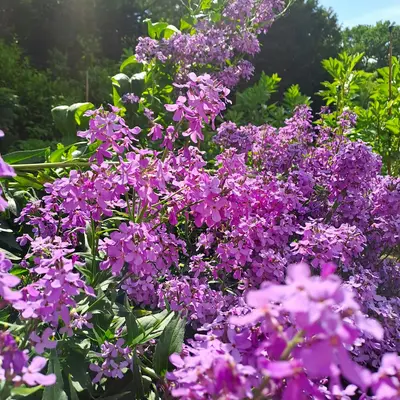
We've selected this color blend in a beautiful berry shade theme to create a pleasing mix for the garden and easy market bunches. Group 3-4: Warm season snapdragons are bred for optimal performance under long days, high light levels, and warm temperatures. Mix contains shades of red, lavender, and pink. Colors are subject to change depending upon availability. Edible Flowers: The flowers are a colorful garnish for use in salads, desserts, and drinks. The flavor is floral and slightly bitter, so use sparingly.
Harvest
110-120d
Days to harvest
Sun
Full sun to partial shade
Zones
7–10
USDA hardiness
Height
0-3 feet
Planting Timeline
Showing dates for Johnny's Potomac Summer Berry Blend in USDA Zone 7
All Zone 7 flower →Zone Map
Click a state to update dates
Johnny's Potomac Summer Berry Blend · Zones 7–10
Growing Details
Succession Planting
Potomac Summer Berry Blend runs 110–120 days from seed to bloom, so you're not staggering cuts every two weeks the way you would with a cut-and-come-again crop — you're working around the heat wall. In zone 7, start the first tray indoors in early February for a bloom window that opens in late May. A second sow in early March, transplanted out in late April, gives you a modest stagger of a few weeks. Don't push transplants past mid-May; anything going into the ground after that will be trying to set buds while daytime highs are climbing past 90°F, and Potomac types tend to stall hard rather than push through.
Complete Growing Guide
We've selected this color blend in a beautiful berry shade theme to create a pleasing mix for the garden and easy market bunches. Group 3-4: Warm season snapdragons are bred for optimal performance under long days, high light levels, and warm temperatures. Mix contains shades of red, lavender, and pink. Colors are subject to change depending upon availability. Edible Flowers: The flowers are a colorful garnish for use in salads, desserts, and drinks. The flavor is floral and slightly bitter, so use sparingly. According to Johnny's Selected Seeds, Johnny's Potomac Summer Berry Blend is 110 - 120 days to maturity, annual, hybrid (f1). Notable features: Easy Choice, Greenhouse Performer, Use for Cut Flowers and Bouquets, Edible Flowers, Fragrant.
Light: Full sun (6 or more hours of direct sunlight a day), Partial Shade (Direct sunlight only part of the day, 2-6 hours). Soil: High Organic Matter. Drainage: Good Drainage. Height: 0 ft. 6 in. - 3 ft. 0 in.. Spread: 0 ft. 6 in. - 0 ft. 10 in.. Spacing: Less than 12 inches. Growth rate: Medium. Maintenance: Medium.
Harvesting
Johnny's Potomac Summer Berry Blend reaches harvest at 110 - 120 days from sowing per Johnny's Selected Seeds. As an annual, harvest continues until frost ends the season.
A capsule, half hidden by calyx lobes, short-beaked.
Type: Capsule. Length: 1-3 inches.
Storage & Preservation
Store freshly cut Potomac Summer Berry Blend snapdragons in a cool location (50-55°F) in a vase with clean water. Change water every 2-3 days and remove lower foliage to prevent bacterial growth. Shelf life is 7-10 days when properly maintained. For preservation, air-dry bunches upside down in a dark, well-ventilated space for 2-3 weeks to create long-lasting dried arrangements. Alternatively, press individual blooms between paper for 1-2 weeks to preserve for crafts or decoration. Freezing in water (ice block method) is also viable for preserving color intensity for future decorative use, though texture will soften upon thawing.
History & Origin
Johnny's Potomac Summer Berry Blend is an F1 hybrid developed through controlled cross-pollination. Listed in the Johnny's Selected Seeds catalog.
Origin: Southwestern Europe
Advantages
- +Beautiful berry color blend creates visually striking garden and market arrangements
- +Easy difficulty level makes it ideal for novice and busy gardeners
- +Edible flowers add unique culinary garnish options to salads and desserts
- +Warm season snapdragon thrives in summer heat with long daylight hours
- +110-120 day maturity provides reliable flowering within standard growing season
Considerations
- -Floral bitter flavor requires sparing use to avoid overpowering dishes
- -Color variation between plants makes uniform market bunches unpredictable and inconsistent
- -Snapdragons susceptible to rust and powdery mildew in humid conditions
- -Requires full sun and warm temperatures limiting growing locations and seasons
Companion Plants
Marigolds and sweet alyssum are the two worth prioritizing. French marigold types like 'Bonanza' put out a scent that confuses and deters aphids and whiteflies — both of which hit snapdragons regularly — and they do it passively all season without any work on your part. Sweet alyssum, planted at the bed edge, pulls in hoverflies and parasitic wasps that keep soft-bodied pest populations from getting out of hand. Nasturtiums earn a spot as a trap crop: aphids tend to pile onto them first, which buys your snapdragons some breathing room. Skip anything planted under or near black walnut — juglone toxicity from the roots will stunt snapdragons badly, and in our zone 7 Georgia summers, a plant that's already heat-stressed by late June doesn't need the extra handicap.
Plant Together
Marigolds
Repel aphids, whiteflies, and nematodes while attracting beneficial insects
Nasturtiums
Act as trap crops for aphids and cucumber beetles, attract pollinators
Sweet Alyssum
Attracts beneficial insects like lacewings and parasitic wasps for pest control
Lavender
Repels moths, fleas, and mosquitoes while attracting bees and butterflies
Cosmos
Attracts beneficial insects and provides structure without competing for nutrients
Zinnia
Attracts ladybugs, parasitic wasps, and butterflies for natural pest control
Sunflowers
Provide beneficial shade and attract pollinators and pest-eating birds
Borage
Attracts bees and beneficial insects while repelling hornworms and cabbage worms
Keep Apart
Black Walnut Trees
Release juglone toxin that inhibits growth and can kill many flowering plants
Eucalyptus
Produces allelopathic compounds that suppress growth of nearby plants
Dense Shade Trees
Create too much shade and compete for water, reducing flowering and plant vigor
Pests & Disease Resistance
Common Pests
Aphids, spider mites, whiteflies
Diseases
Powdery mildew, root rot, rust
Troubleshooting Johnny's Potomac Summer Berry Blend
What you'll see, why it happens, and what to do about it.
White powdery coating on upper leaf surfaces, usually appearing first on older leaves in mid-summer
Likely Causes
- Powdery mildew (Erysiphe cichoracearum) — triggered by warm days, cool nights, and poor airflow
- Plants spaced too close together at less than 6 inches apart
What to Do
- 1.Remove and bag the worst-affected leaves immediately — don't compost them
- 2.Spray foliage with a diluted potassium bicarbonate solution (1 tbsp per gallon of water) every 7 days
- 3.Next planting, space at the full 8 inches and avoid overhead irrigation
Stems collapsing at soil level on seedlings or recently transplanted starts, roots dark and mushy
Likely Causes
- Root rot (Phytophthora or Pythium spp.) from waterlogged soil or beds with poor drainage
- Overwatering during cool, cloudy stretches when the plant isn't actively transpiring
What to Do
- 1.Pull and discard affected plants — there's no saving them once the crown is gone
- 2.Let the bed dry out for 5–7 days before replanting, and amend heavy clay soil with perlite or coarse compost
- 3.Water at the base, not overhead, and only when the top inch of soil is dry
Orange or rust-colored pustules on the undersides of leaves, with yellowing on the upper surface directly above them
Likely Causes
- Snapdragon rust (Puccinia antirrhini) — a fungal disease that spreads rapidly in humid conditions above 60°F
- Overhead watering or rain that keeps foliage wet for extended periods
What to Do
- 1.Strip and trash affected leaves at first sign — rust moves fast once it gets a foothold
- 2.Apply a sulfur-based fungicide every 10–14 days as a preventive if rust has hit this bed in previous seasons
- 3.Rotate snapdragons out of the same bed for at least one full season
Distorted new growth, sticky residue on stems and leaves, sometimes with small ants trailing up the stems
Likely Causes
- Aphid colonies (commonly Myzus persicae or Aphis gossypii) feeding on soft new tissue
- Whiteflies (Trialeurodes vaporariorum) — flip a leaf and look for tiny white adults that scatter when disturbed
What to Do
- 1.Blast aphids off with a firm stream of water from the hose — do this 3 mornings in a row
- 2.For whiteflies or persistent aphid pressure, apply insecticidal soap directly to leaf undersides, repeating every 5–7 days
- 3.Plant sweet alyssum within 12–18 inches to draw in parasitic wasps that suppress aphid populations through the season
Frequently Asked Questions
How long do Johnny's Potomac Summer Berry Blend snapdragons last in a vase?▼
Are snapdragons good for beginners to grow?▼
Can you grow snapdragons in containers?▼
What do snapdragon flowers taste like?▼
When should I plant Johnny's Potomac snapdragons?▼
What's included in the berry shade color blend?▼
Zone-by-Zone Planting Calendar
| Zone | Indoor Start | Transplant | Direct Sow | Harvest |
|---|---|---|---|---|
| Zone 1 | May – June | July – August | July – September | — |
| Zone 2 | April – May | June – July | June – August | — |
| Zone 11 | January – January | January – February | January – March | — |
| Zone 12 | January – January | January – February | January – March | — |
| Zone 13 | January – January | January – February | January – March | — |
| Zone 3 | April – May | June – July | June – August | — |
| Zone 4 | March – April | June – June | June – July | — |
| Zone 5 | March – April | May – June | May – July | — |
| Zone 6 | March – April | May – June | May – July | — |
| Zone 7 | February – March | April – May | April – June | — |
| Zone 8 | February – March | April – May | April – June | — |
| Zone 9 | January – February | March – April | March – May | — |
| Zone 10 | January – January | February – March | February – April | — |
Growing Guides from Wind River Greens
Sources & References
External authority sources used in compiling this guide.
- BreederJohnny's Selected Seeds
See the Methodology page for how this data is sourced, what's AI-assisted, and known limitations.