Green Giant Arborvitae
Thuja standishii × plicata 'Green Giant'
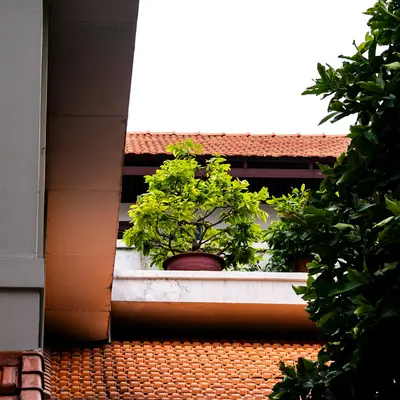
A fast-growing evergreen hybrid that quickly forms dense, pyramidal screens perfect for privacy hedges or windbreaks. With its rapid 3-5 foot annual growth rate and resistance to deer browsing, this low-maintenance conifer is the go-to choice for homeowners seeking quick, year-round screening.
Sun
Full sun to partial shade
Zones
5–8
USDA hardiness
Height
40-60 feet
Planting Timeline
Showing dates for Green Giant Arborvitae in USDA Zone 7
All Zone 7 ornamental-tree →Zone Map
Click a state to update dates
Green Giant Arborvitae · Zones 5–8
Growing Details
Complete Growing Guide
Light: Full sun (6 or more hours of direct sunlight a day), Partial Shade (Direct sunlight only part of the day, 2-6 hours). Soil: Clay, High Organic Matter, Loam (Silt), Sand, Shallow Rocky. Soil pH: Acid (<6.0), Alkaline (>8.0), Neutral (6.0-8.0). Drainage: Good Drainage, Moist, Occasionally Dry. Height: 40 ft. 0 in. - 60 ft. 0 in.. Spread: 12 ft. 0 in. - 18 ft. 0 in.. Spacing: 12-24 feet. Growth rate: Rapid. Maintenance: Low. Propagation: Stem Cutting. Regions: Coastal, Mountains, Piedmont.
Harvesting
Small upright seed cones are up to 1/2 inch long that emerge as green and then mature to brown.
Color: Brown/Copper, Green. Length: < 1 inch.
Storage & Preservation
Green Giant Arborvitae trees don't require traditional storage—they're planted in gardens or landscaping. For nursery stock or bare-root specimens awaiting planting, store in cool conditions (40-50°F) with high humidity (80%+) to prevent root desiccation. Keep roots moist but not waterlogged. Preservation methods include: (1) Wrapping root balls in burlap and misting daily until planting; (2) Heeling-in trees temporarily in moist soil if immediate planting isn't possible; (3) Storing potted specimens in a sheltered, frost-free location with regular watering during dormancy.
History & Origin
Thuja is a genus of coniferous tree or shrub in the Cupressaceae. There are five species in the genus, two native to North America and three native to eastern Asia. The genus is monophyletic and sister to Thujopsis. Members are commonly known as arborvitaes, thujas, or New World false cedars.
Advantages
- +Attracts: Songbirds
- +Fast-growing
- +Low maintenance
Companion Plants
The shade-tolerant groundcovers — Hostas, Astilbe, Heuchera, and Japanese Painted Fern — fill the dry, low-light zone that develops beneath the canopy once Green Giant matures, and their shallow roots stay well above the 18-24 inch depth where arborvitae is actively feeding. Boxwood and Rhododendron hold structure in winter and tolerate the same 6.0-7.0 pH range without much fuss. Skip any Black Walnut within 60 feet: the tree produces juglone, a root-zone compound that suppresses or outright kills many conifers. Large Maples are a subtler problem — their dense surface-root mat can starve a young arborvitae of water during the first two or three establishment seasons before the arborvitae ever gets a foothold.
Plant Together
Hostas
Thrives in partial shade created by arborvitae, adds contrasting foliage texture
Astilbe
Benefits from wind protection and partial shade, adds colorful blooms
Heuchera
Complements evergreen backdrop with colorful foliage, tolerates similar conditions
Japanese Painted Fern
Enjoys filtered light and wind shelter provided by arborvitae
Boxwood
Similar growing requirements and maintenance needs, creates layered evergreen structure
Rhododendron
Benefits from wind protection and slightly acidic soil conditions
Winterberry Holly
Provides seasonal interest and attracts beneficial birds that may help with pest control
Pachysandra
Excellent groundcover in shade, helps retain soil moisture
Keep Apart
Black Walnut
Produces juglone toxin that can inhibit arborvitae growth and cause yellowing
Large Maple Trees
Aggressive root system competes heavily for water and nutrients
Kentucky Bluegrass
Dense turf competes with shallow arborvitae roots for water and nutrients
Pests & Disease Resistance
Resistance
Excellent resistance to most diseases and pests
Common Pests
Bagworms, spider mites (rare), deer resistant
Diseases
Root rot in poorly drained soils, canker (rare)
Troubleshooting Green Giant Arborvitae
What you'll see, why it happens, and what to do about it.
Branches with silken bags 1-2 inches long hanging from the foliage, needles stripped inside the bag by late summer
Likely Causes
- Bagworm (Thyridopteryx ephemeraeformis) — larvae hatch in May and build cases from plant material as they feed
- Late detection, since bags blend in well against arborvitae foliage until they're large
What to Do
- 1.Hand-pick and destroy bags before late June while larvae are still small — drop them in soapy water, not on the ground
- 2.Spray Bacillus thuringiensis var. kurstaki (Bt) on young larvae in late May to early June; it stops working once caterpillars are past the second instar
- 3.Check the tree every July going forward — a small infestation caught early takes 10 minutes; a heavy one in August can defoliate entire branches that won't push new growth
Lower branches turning brown and dying back, worst in spots where water pools after rain, sometimes with dark discoloration at the base of the trunk
Likely Causes
- Phytophthora root rot — a water mold that thrives in saturated, poorly drained soil, not a true fungus
- Planting too deep, burying the root flare and trapping moisture against the trunk
What to Do
- 1.Improve drainage before planting — raise the bed 6-8 inches or install a French drain if the site stays wet for more than 48 hours after rain
- 2.Make sure the root flare sits at or just above grade; if it's buried, pull soil and mulch away from the trunk immediately
- 3.There's no practical chemical cure once Phytophthora is established in the root system — prevention at planting is the only reliable fix
Frequently Asked Questions
How fast does Green Giant Arborvitae grow?▼
Is Green Giant Arborvitae good for beginners?▼
Can I grow Green Giant Arborvitae in a container?▼
When should I plant Green Giant Arborvitae?▼
How much sunlight does Green Giant Arborvitae need?▼
Is Green Giant Arborvitae deer resistant?▼
Zone-by-Zone Planting Calendar
Growing Guides from Wind River Greens
Sources & References
External authority sources used in compiling this guide.
- ExtensionNC State Extension
See the Methodology page for how this data is sourced, what's AI-assisted, and known limitations.