Double Zahara™ Salmon
Zinnia marylandica
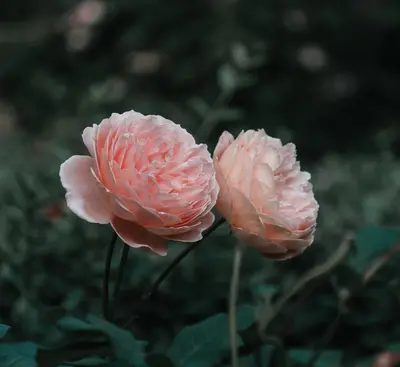
An easy-to-grow choice for cheerful color in the garden or pots. Highly uniform plants with a low-growing, mounding habit that flower continuously, providing weeks of color. Abundant, salmon-colored, fully double blooms average 1 1/2-2 1/2" wide. Zahara dwarf zinnias were bred for powdery mildew resistance and long-lasting color for landscapes and garden beds.
Harvest
75-85d
Days to harvest
Sun
Full sun to partial shade
Zones
11–12
USDA hardiness
Height
12-24 inches
Planting Timeline
Showing dates for Double Zahara™ Salmon in USDA Zone 7
All Zone 7 flower →Zone Map
Click a state to update dates
Double Zahara™ Salmon · Zones 11–12
Growing Details
Complete Growing Guide
An easy-to-grow choice for cheerful color in the garden or pots. Highly uniform plants with a low-growing, mounding habit that flower continuously, providing weeks of color. Abundant, salmon-colored, fully double blooms average 1 1/2-2 1/2" wide. Zahara dwarf zinnias were bred for powdery mildew resistance and long-lasting color for landscapes and garden beds. According to Johnny's Selected Seeds, Double Zahara™ Salmon is 75 - 85 days to maturity, annual, open pollinated. Notable features: Easy Choice, Grows Well in Containers, Attracts Beneficial Insects.
Light: Full sun (6 or more hours of direct sunlight a day), Partial Shade (Direct sunlight only part of the day, 2-6 hours). Soil: Clay, High Organic Matter, Loam (Silt), Sand. Soil pH: Acid (<6.0), Alkaline (>8.0), Neutral (6.0-8.0). Drainage: Good Drainage, Moist. Height: 1 ft. 0 in. - 2 ft. 0 in.. Spread: 0 ft. 6 in. - 1 ft. 0 in.. Spacing: 12 inches-3 feet. Growth rate: Medium. Maintenance: Low. Propagation: Seed. Regions: Coastal, Mountains, Piedmont.
Harvesting
Double Zahara™ Salmon reaches harvest at 75 - 85 days from sowing per Johnny's Selected Seeds. Expect 1 1/2-2 1/2" at peak. As an annual, harvest continues until frost ends the season.
Type: Achene.
Storage & Preservation
Double Zahara Salmon zinnias are ornamental cut flowers best displayed in water-filled vases at room temperature (65-72°F) with moderate humidity (50-60%). Fresh cut blooms last 10-14 days when stems are re-cut and water is changed every 2-3 days. For preservation: (1) Hang-dry flowers upside down in a cool, dark, well-ventilated space for 2-3 weeks to create long-lasting dried arrangements. (2) Press flowers between parchment paper under weight for 2-4 weeks for crafts and herbaria. (3) Preserve in silica gel desiccant for 3-7 days to maintain color and shape for decorative purposes.
History & Origin
Double Zahara™ Salmon is open-pollinated, meaning seed saved from healthy plants will produce true-to-type offspring. Listed in the Johnny's Selected Seeds catalog.
Origin: Mexico, southwestern USA
Advantages
- +Salmon blooms provide cheerful, warm color continuously throughout the season.
- +Mounding habit works excellently in containers and small garden spaces.
- +Bred specifically for powdery mildew resistance, reducing fungal disease pressure.
- +Fully double flowers are abundant and long-lasting in arrangements or gardens.
- +Easy care makes this variety perfect for beginner gardeners.
Considerations
- -Smaller bloom size limits visual impact from distance in large landscapes.
- -Continuous flowering may require deadheading to maintain peak appearance and shape.
- -Salmon color may clash with cooler-toned purple or blue companion plants.
Companion Plants
Marigolds are the most practical neighbor for Double Zahara Salmon. French marigolds (Tagetes patula) release thiophenes from their roots, which suppress root-knot nematodes in the surrounding soil — not a dramatic effect in one season, but meaningful if you're rotating this bed into vegetables next year. They also pull in parasitic wasps and hoverflies that will work across the whole planting. At 12 inches apart along the border, they don't compete hard for water the way some companions do.
Alyssum and petunias contribute in different ways. Alyssum stays low and flowers continuously, keeping ground-level predatory beetles and parasitic wasps fed through the whole bloom season. Petunias put out a sticky secretion on their stems that physically traps thrips and whiteflies — two pests that will find your zinnias regardless. In our zone 7 Georgia gardens, whitefly pressure picks up hard by late July, so having petunias interspersed from the start beats scrambling for a spray once you're already seeing damage.
Black walnut (Juglans nigra) is the companion to avoid absolutely — its roots and decomposing leaf litter release juglone, a compound phytotoxic to a wide range of annuals, and the decline it causes is slow enough that you'll blame three other things first. Fennel is a subtler problem: it doesn't poison neighbors outright, but root exudates suppress germination and stunt growth in most plants within 18 inches, and fennel reliably draws aphids that will migrate straight onto nearby flowers.
Plant Together
Marigolds
Repel nematodes and aphids while attracting beneficial insects
Basil
Deters aphids, whiteflies, and spider mites with aromatic oils
Petunias
Repel aphids, tomato hornworms, and other garden pests
Nasturtiums
Act as trap crops for aphids and cucumber beetles
Alyssum
Attracts beneficial insects like hoverflies and parasitic wasps
Catnip
Repels mosquitoes, ants, and aphids more effectively than DEET
Cosmos
Attract beneficial pollinators and predatory insects
Lavender
Deters moths, fleas, and aphids while attracting beneficial bees
Keep Apart
Black Walnut
Produces juglone toxin that inhibits growth and can kill sensitive plants
Fennel
Releases allelopathic compounds that stunt growth of nearby flowers
Sunflowers
Release allelopathic chemicals and compete aggressively for nutrients and water
Pests & Disease Resistance
Common Pests
Spider mites, whiteflies, thrips
Diseases
Powdery mildew (resistant variety), root rot if overwatered
Troubleshooting Double Zahara™ Salmon
What you'll see, why it happens, and what to do about it.
Fine webbing on leaf undersides, leaves stippled silver or bronze, especially in hot dry stretches
Likely Causes
- Two-spotted spider mite (Tetranychus urticae) — populations explode when temperatures stay above 90°F and humidity drops
- Dusty conditions, which mites prefer and which reduce natural predator activity
What to Do
- 1.Blast the undersides of leaves with a strong stream of water every 2-3 days — it physically knocks mites off and they don't climb back well
- 2.Apply insecticidal soap or neem oil in the evening when temps are below 90°F; repeat every 5-7 days for three applications
- 3.Keep the bed mulched to hold soil moisture — dry, stressed plants get hit harder and recover slower
Stem base turns brown and mushy at soil level, plant wilts suddenly despite moist soil
Likely Causes
- Root rot from Pythium or Rhizoctonia — both thrive in waterlogged, poorly drained soil
- Overwatering in clay-heavy beds where water sits after rain
What to Do
- 1.Pull the affected plant immediately — there's no saving it once the crown is rotted, and leaving it spreads the pathogen
- 2.Let the surrounding soil dry out before watering again; Double Zahara handles a dry spell better than wet feet
- 3.Next season, work 2-3 inches of compost into the bed before planting and consider raised rows if drainage is a chronic problem
Frequently Asked Questions
How long do Double Zahara Salmon flowers bloom?▼
Is Double Zahara Salmon a good choice for beginner gardeners?▼
Can you grow Double Zahara Salmon in containers?▼
When should I plant Double Zahara Salmon zinnias?▼
How much sun do Double Zahara Salmon zinnias need?▼
What makes Double Zahara Salmon resistant to powdery mildew?▼
Zone-by-Zone Planting Calendar
| Zone | Indoor Start | Transplant | Direct Sow | Harvest |
|---|---|---|---|---|
| Zone 1 | May – June | July – August | July – September | — |
| Zone 2 | April – May | June – July | June – August | — |
| Zone 11 | January – January | January – February | January – March | — |
| Zone 12 | January – January | January – February | January – March | — |
| Zone 13 | January – January | January – February | January – March | — |
| Zone 3 | April – May | June – July | June – August | — |
| Zone 4 | March – April | June – June | June – July | — |
| Zone 5 | March – April | May – June | May – July | — |
| Zone 6 | March – April | May – June | May – July | — |
| Zone 7 | February – March | April – May | April – June | — |
| Zone 8 | February – March | April – May | April – June | — |
| Zone 9 | January – February | March – April | March – May | — |
| Zone 10 | January – January | February – March | February – April | — |
Growing Guides from Wind River Greens
Sources & References
External authority sources used in compiling this guide.
- ExtensionNC State Extension
- BreederJohnny's Selected Seeds
See the Methodology page for how this data is sourced, what's AI-assisted, and known limitations.