Chinese Elm
Ulmus parvifolia
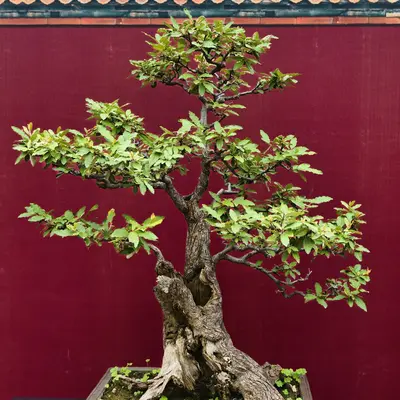
A fast-growing, disease-resistant alternative to American Elm that combines rapid growth with exceptional durability and grace. This adaptable tree features small, glossy leaves that create dense shade in summer and often persist late into fall with attractive yellow color. Its distinctive mottled bark adds year-round visual interest, while its proven resistance to Dutch elm disease makes it a reliable choice for elm lovers.
Sun
Full sun to partial shade
Zones
5–10
USDA hardiness
Height
40-50 feet
Planting Timeline
Showing dates for Chinese Elm in USDA Zone 7
All Zone 7 shade-tree →Zone Map
Click a state to update dates
Chinese Elm · Zones 5–10
Growing Details
Complete Growing Guide
Light: Full sun (6 or more hours of direct sunlight a day), Partial Shade (Direct sunlight only part of the day, 2-6 hours). Soil: Clay, Loam (Silt), Sand. Soil pH: Acid (<6.0), Alkaline (>8.0), Neutral (6.0-8.0). Drainage: Good Drainage, Moist, Occasionally Dry. Height: 40 ft. 0 in. - 50 ft. 0 in.. Spread: 35 ft. 0 in. - 50 ft. 0 in.. Spacing: 24-60 feet. Growth rate: Medium. Maintenance: High, Medium. Propagation: Seed. Regions: Coastal, Mountains, Piedmont.
Harvesting
Fruit is a light brown, oblong, flattened, and papery winged samara that measures about 0.5 inches long. The fruit appears in the fall and may last through early winter.
Color: Brown/Copper. Type: Samara. Length: < 1 inch. Width: < 1 inch.
Harvest time: Fall, Winter
Storage & Preservation
Chinese Elm is a shade tree, not a consumable product requiring storage or preservation. However, if harvesting seeds or propagation material: store dry seeds in cool (32-41°F), low-humidity conditions (below 50%) in sealed containers for up to 2 years. For propagation, preserve cuttings using rooting hormone and mist propagation systems. Preserve branches for air-layering by keeping wound sites moist with sphagnum moss wrapped in plastic until roots develop (4-8 weeks).
History & Origin
Origin: Northern to Central China, Japan, and Korea
Advantages
- +Attracts: Songbirds
Considerations
- -High maintenance
Companion Plants
The shade-tolerant plants on our companion list — hostas, ferns, astilbe, coral bells, Japanese painted fern, and wild ginger — work well under Chinese Elm for a straightforward reason: they're adapted to the dappled light and progressively drier soil that develops under a maturing canopy. Chinese Elm's fine, semi-deciduous canopy filters rather than blocks sunlight, so these understory plants get enough to stay healthy. Their shallow, clumping root systems also don't compete aggressively with the elm the way turf grass does — mowing right up to the trunk is where most bark damage happens anyway, so replacing that grass ring with a planting of pachysandra or wild ginger starting about 3 feet out solves two problems at once. Around here in zone 7 Georgia, that understory layer also helps moderate soil temperature through August, which newly established elms appreciate.
Avoid planting within 50 feet of a black walnut (Juglans nigra). Walnut roots release juglone, and while Chinese Elm handles it better than tomatoes or blueberries do, a young tree in its first two seasons can still show stunted, chlorotic growth that's easy to misread as a nutrient problem. Large conifers are a different kind of trouble — their year-round canopy creates deep shade that even a shade-tolerant understory can't work with, and their roots are aggressive enough to dry out a 10-foot radius of soil faster than rain can recharge it.
Plant Together
Hostas
Thrives in partial shade under elm canopy, complementary root depths
Ferns
Excellent shade tolerance, helps retain soil moisture under tree
Astilbe
Shade-loving perennial that benefits from elm's filtered light and wind protection
Coral Bells
Tolerates dry shade conditions created by elm's dense canopy
Wild Ginger
Native groundcover that thrives in elm's shade and helps prevent soil erosion
Caladium
Shade-tolerant foliage plant that adds color under elm canopy
Pachysandra
Dense groundcover that suppresses weeds and tolerates root competition
Japanese Painted Fern
Ornamental shade plant that complements elm without competing for nutrients
Keep Apart
Black Walnut
Produces juglone toxin that can damage elm roots and overall tree health
Large Conifers
Compete heavily for water and nutrients, can create too much shade competition
Turf Grass
Dense shallow root system competes with elm for surface water and nutrients
Pests & Disease Resistance
Resistance
Excellent resistance to Dutch elm disease and elm leaf beetle
Common Pests
Scale insects, aphids, elm leaf beetle (resistant)
Diseases
Generally disease resistant, occasional cankers
Troubleshooting Chinese Elm
What you'll see, why it happens, and what to do about it.
Sticky residue on leaves and branches, often with a black sooty coating developing on top
Likely Causes
- Soft scale insects (Parthenolecanium species) feeding on bark and excreting honeydew
- Aphid colonies on new growth producing the same honeydew residue
What to Do
- 1.In late winter before bud break, apply dormant horticultural oil — coat the bark thoroughly, not just the leaves
- 2.For active-season infestations, spray insecticidal soap directly on the colonies; repeat every 7 days until populations drop
- 3.Encourage natural predators by avoiding broad-spectrum insecticides — lady beetles and parasitic wasps knock scale back on their own given the chance
Sunken, discolored patches on the bark — sometimes oozing or cracking — with the wood underneath stained brown
Likely Causes
- Cytospora or Nectria canker fungi entering through wounds, pruning cuts, or winter cold cracks
- Stressed trees (drought, compacted soil, recent transplant shock) are far more susceptible than established ones
What to Do
- 1.Cut back to clean wood at least 6 inches below any visible discoloration; sterilize your pruning saw with 70% isopropyl alcohol between cuts
- 2.Dispose of removed material in the trash — don't chip it into mulch and spread it back under the tree
- 3.Water deeply once a week during drought stress to keep the tree from becoming a target; a 2-3 inch layer of wood chip mulch over the root zone holds that moisture longer than bare soil
Leaves chewed along the edges or skeletonized, with small yellow-green beetles or their dark larvae visible on the foliage
Likely Causes
- Elm leaf beetle (Xanthogaleruca luteola) — Chinese Elm is listed by NC State Extension as resistant, but not fully immune, and stressed or young trees can still see feeding damage
- Japanese beetle adults occasionally feed on elm foliage in mid-summer
What to Do
- 1.On young trees under 10 feet, hand-pick larvae and drop them in soapy water — the population is usually small enough to manage this way
- 2.For heavier infestations, spinosad-based sprays are effective and less disruptive to beneficial insects than pyrethroids
- 3.Avoid overfertilizing with nitrogen; the lush new growth it produces is exactly what these beetles prefer
Newly transplanted tree leafing out sparsely, wilting in afternoon heat even after watering, with some branch tips dying back
Likely Causes
- Transplant shock — root ball too small relative to the canopy it's trying to support
- Planting too deep, with the root flare buried more than 1-2 inches below grade
- Compacted backfill soil preventing root expansion into surrounding ground
What to Do
- 1.Water deeply and slowly — 10-15 gallons at the base, 2-3 times per week for the first full growing season; a drip emitter or soaker hose delivers this better than a quick spray
- 2.If you suspect the root flare is buried, pull mulch and soil away from the trunk base until you can see where the flare begins — it should sit at or just above grade
- 3.Hold off on any fertilizer for the first year; the tree needs to push roots into new ground, not top growth it can't sustain
Frequently Asked Questions
How fast does Chinese Elm grow?▼
Is Chinese Elm disease resistant?▼
Can Chinese Elm grow in poor soil?▼
When should I plant Chinese Elm?▼
What pests affect Chinese Elm?▼
How much sun does Chinese Elm need?▼
Zone-by-Zone Planting Calendar
Growing Guides from Wind River Greens
Sources & References
External authority sources used in compiling this guide.
- ExtensionNC State Extension
See the Methodology page for how this data is sourced, what's AI-assisted, and known limitations.