White Spear
Allium fistulosum
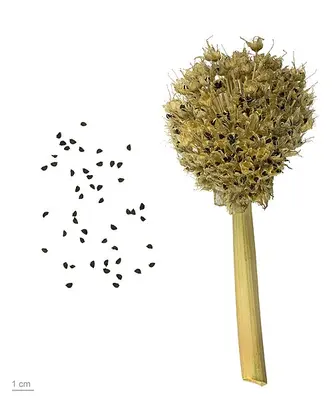
White Spear is an heirloom leek variety prized for its tender, elongated white shanks and mild, slightly sweet flavor. Maturing in approximately 65 days, this easy-to-grow cultivar thrives in full sun to partial shade with well-drained, fertile loam. The defining characteristic is its pure white, slender stem that remains exceptionally tender and delicate, making it ideal for cooking whole or in refined culinary applications. Unlike coarser leek varieties, White Spear delivers a gentle onion-like sweetness without harshness, earning its place in both home and market gardens.
Harvest
65d
Days to harvest
Sun
Full sun to partial shade
Zones
4–9
USDA hardiness
Height
1-3 feet
Planting Timeline
Showing dates for White Spear in USDA Zone 7
All Zone 7 root-vegetable →Zone Map
Click a state to update dates
White Spear · Zones 4–9
Growing Details
Succession Planting
Direct sow White Spear every 3 weeks from March 1 through early May in zone 7, then pick it back up with a late-summer sowing in mid-August through September for a fall harvest running into November. The spring window closes once daytime highs are consistently above 85°F — heat doesn't kill the plants outright, but quality drops and bolting risk climbs sharply in June.
Each sowing takes 65 days to harvest, so work backward from your first expected frost to set your last direct-sow date. In north Georgia that first frost typically lands around mid-November, which puts the cutoff at early September. Thin to 6 inches and stagger your sowings to keep a continuous supply of young, tender spears rather than one large flush you can't move fast enough.
Complete Growing Guide
Tall, straight, blue-green leaves. Very resistant to bulbing and leaf-curl in the heat of midsummer. Long, white shanks provide excellent yields. Not as winter-hardy as Evergreen Hardy White. According to Johnny's Selected Seeds, White Spear is 65 days to maturity, annual, open pollinated. Notable features: Heat Tolerant.
Light: Full sun (6 or more hours of direct sunlight a day), Partial Shade (Direct sunlight only part of the day, 2-6 hours). Soil: High Organic Matter, Loam (Silt), Sand. Drainage: Good Drainage. Height: 1 ft. 0 in. - 3 ft. 0 in.. Spread: 0 ft. 6 in. - 2 ft. 0 in.. Spacing: Less than 12 inches. Growth rate: Medium. Maintenance: Low. Propagation: Division. Regions: Coastal, Mountains, Piedmont.
Harvesting
White Spear reaches harvest at 65 days from sowing per Johnny's Selected Seeds. As an annual, harvest continues until frost ends the season.
The capsule splits longitudinally and contains small round black seeds.
Type: Capsule.
Storage & Preservation
White Spear parsnips store best in cool, humid conditions between 32–40°F with 90–95% relative humidity, ideally in perforated plastic bags within a root cellar or refrigerator's crisper drawer. Properly stored roots remain firm and sweet for 4–6 months. For longer preservation, freezing works exceptionally well: blanch cut pieces for 2–3 minutes, cool quickly in ice water, drain thoroughly, and freeze in airtight containers for up to 10 months. Roasting and freezing is popular among gardeners seeking concentrated flavor. Parsnips also freeze well as purée after steaming and blending. Canning is possible using pressure canning only due to low acidity, though texture can soften considerably. White Spear's notably pale, slender roots are less prone to woodiness than larger varieties, so they can be harvested slightly earlier without sacrificing sweetness, making them ideal candidates for tender, quick-cooking preparations like stir-fries when flash-frozen.
History & Origin
White Spear is open-pollinated, meaning seed saved from healthy plants will produce true-to-type offspring. Listed in the Johnny's Selected Seeds catalog.
Origin: Northern Hemisphere, North America and Eurasia
Advantages
- +Excellent heat tolerance resists bulbing and leaf-curl in midsummer
- +Long white shanks deliver superior yields compared to other varieties
- +Tall straight growth habit simplifies harvesting and handling
- +Easy to grow making it suitable for beginner gardeners
- +Blue-green foliage is visually attractive in garden beds
Considerations
- -Less winter-hardy than Evergreen Hardy White variety
- -Requires warm season timing to avoid bolting issues
- -May need consistent moisture during hot weather periods
Companion Plants
Carrots and White Spear work well together because allium scent disrupts carrot fly (Psila rosae) host-finding, while carrots' fine, feathery tops don't compete for the vertical space that a 1–3 foot bunching onion needs. Radishes and lettuce are worth tucking in nearby too — both finish in 30–45 days and vacate the bed before White Spear hits its stride at 65, so root competition never becomes a problem late in the season. Marigolds (Tagetes spp.) contribute modest repellent pressure against thrips and Delia antiqua flies; they won't replace row cover, but they're a reasonable use of edge space.
Dill is the one to pull off the planting plan entirely — it cross-inhibits allium growth when roots get close, and the two crops bolt on nearly the same schedule, which just creates competition you didn't need. Black walnut (Juglans nigra) is a different kind of problem: the juglone it exudes through its root system stunts or kills a wide range of vegetables, and around here in the southeast, walnut trees are common enough on older properties that it's worth checking your site before you plan beds — anything within 50 feet of the drip line is suspect.
Plant Together
Carrots
Similar growing requirements and root depths complement each other without competition
Lettuce
Shallow roots don't compete, provides ground cover and helps retain soil moisture
Radishes
Break up compacted soil for easier root penetration and mature quickly
Chives
Repel aphids and root maggots while improving soil with sulfur compounds
Marigolds
Deter nematodes and other soil pests that damage root vegetables
Spinach
Cool-season crop with shallow roots that doesn't compete for space
Peas
Fix nitrogen in soil and have different root zones, benefiting overall soil health
Nasturtiums
Act as trap crops for aphids and flea beetles, protecting root crops
Keep Apart
Dill
Can stunt growth of root vegetables and attract carrot rust flies
Black Walnut
Releases juglone toxin that inhibits growth of most root vegetables
Sunflowers
Heavy feeders that compete for nutrients and their roots release allelopathic compounds
Nutrition Facts
Per 100g serving. % Daily Value based on 2,000 calorie diet. Source: USDA FoodData Central (FDC #169118)
Pests & Disease Resistance
Common Pests
Allium leafminers, thrips, onion maggots
Diseases
Pink root, white rot, rust
Troubleshooting White Spear
What you'll see, why it happens, and what to do about it.
Thin, pale winding tunnels or streaks running through leaf tissue, visible from outside
Likely Causes
- Allium leafminer (Phytomyza gymnostoma) — adult flies lay eggs in leaf tissue in spring and fall
- Thrips (Thrips tabaci) — rasping feeding leaves silvery streaks alongside the tunneling damage
What to Do
- 1.Cover rows with floating row cover before adults emerge — allium leafminer flights peak in early spring and again in fall
- 2.Pull and trash (don't compost) any heavily mined leaves to break the pupal cycle
- 3.If thrips pressure is high, a spinosad-based spray applied in the evening will knock populations back without torching beneficials
Plants wilting and collapsing at soil level, with maggots visible in the base of the stem when pulled
Likely Causes
- Onion maggot (Delia antiqua) — fly larvae tunnel into the base and roots, especially in cool, wet spring soils
- Planting in the same bed where alliums grew the previous season, allowing Delia antiqua pupae to overwinter in place
What to Do
- 1.Rotate White Spear to a bed that has been out of alliums for at least 2 seasons — this is the single most effective control
- 2.Apply a layer of diatomaceous earth around the base of plants at transplant time if onion maggot has been a recurring problem in your beds
- 3.Destroy infected plants and their root zone immediately — don't leave pulled plants lying in the bed
Small brick-red or orange pustules breaking through leaf surfaces, releasing dry powdery spores
Likely Causes
- Allium rust caused by fungi in the genus Puccinia — NC State Extension identifies two species responsible for common and southern rust strains
- Wet, humid weather with nights below 65°F and days around 75–85°F, which is typical in Georgia from April through May
What to Do
- 1.Remove and trash affected leaves at first sign — spores spread by wind and will reinfect the same planting
- 2.Thin to at least 6-inch spacing and make sure rows aren't shading each other; airflow slows Puccinia spread significantly
- 3.A copper-based fungicide applied at 7–10 day intervals can protect healthy tissue once rust is active in the planting
Stunted plants with pink to red discoloration on roots; plants yellowing despite adequate fertility
Likely Causes
- Pink root (Phoma terrestris) — a soilborne fungal pathogen that infects allium roots directly, staining them pink then red then brown as the season progresses
- White rot (Sclerotium cepivorum) — a distinct soilborne pathogen producing fluffy white fungal growth at the stem base and small tan-to-brown sclerotia in the soil; can persist for 20+ years once established
What to Do
- 1.For pink root: pull alliums out of affected beds for 3–4 seasons minimum; resistant varieties are the long-term answer if it keeps returning
- 2.For white rot: don't move soil from an infected bed to clean areas — Sclerotium cepivorum sclerotia hitchhike on tools and boots
- 3.Amend with compost to build competitive soil microbiology, and avoid overwatering — both pathogens thrive in saturated, compacted ground
Frequently Asked Questions
How long does White Spear take to harvest?▼
Is White Spear a good variety for beginners?▼
How much sunlight does White Spear need?▼
What makes White Spear resistant to heat stress?▼
What does White Spear taste like?▼
Can you grow White Spear in containers?▼
Zone-by-Zone Planting Calendar
| Zone | Indoor Start | Transplant | Direct Sow | Harvest |
|---|---|---|---|---|
| Zone 3 | — | — | May – June | September – October |
| Zone 4 | — | — | April – June | August – October |
| Zone 5 | — | — | April – May | August – November |
| Zone 6 | — | — | April – May | August – November |
| Zone 7 | — | — | March – May | July – November |
| Zone 8 | — | — | March – April | July – December |
| Zone 9 | — | — | February – March | June – December |
| Zone 10 | — | — | January – March | May – December |
| Zone 1 | — | — | June – July | August – September |
| Zone 2 | — | — | May – July | July – September |
| Zone 11 | — | — | January – February | February – December |
| Zone 12 | — | — | January – February | February – December |
| Zone 13 | — | — | January – February | February – December |
Growing Guides from Wind River Greens
Sources & References
External authority sources used in compiling this guide.
- BreederJohnny's Selected Seeds
- USDAUSDA FoodData Central
See the Methodology page for how this data is sourced, what's AI-assisted, and known limitations.