Boyne Red Raspberry
Rubus idaeus 'Boyne'
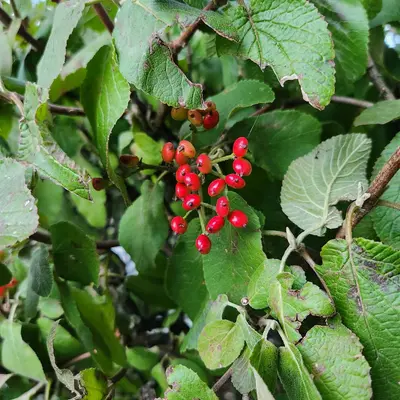
An exceptionally hardy red raspberry developed in Manitoba, Canada, capable of surviving temperatures down to -40°F without winter protection. This early-ripening variety produces medium-sized, bright red berries with excellent flavor and remarkable productivity despite its compact size. Boyne is perfect for northern gardeners who thought raspberries were impossible to grow in their climate.
Sun
Full sun to partial shade
Zones
4–8
USDA hardiness
Height
6 feet
Planting Timeline
Showing dates for Boyne Red Raspberry in USDA Zone 7
All Zone 7 berry →Zone Map
Click a state to update dates
Boyne Red Raspberry · Zones 4–8
Growing Details
Complete Growing Guide
Boyne Red Raspberry thrives in zones 3–4 where standard varieties fail, requiring full sun and well-draining soil rich in organic matter. Plant in early spring before budbreak, spacing canes 2–3 feet apart, as this compact cultivar produces multiple shoots that benefit from air circulation. Unlike tender red raspberries, Boyne needs minimal winter protection but demands consistent moisture during establishment and fruiting; drought stress reduces berry quality despite the variety's hardiness. Watch for spider mites in hot, dry conditions and anthracnose in humid summers—pruning out affected canes prevents spread. This early-maturing variety produces fruit in mid-June in northern climates, so prune immediately after harvest to encourage next year's cane development. For maximum productivity, remove weak or damaged primocanes each spring, keeping only the healthiest 4–6 shoots per hill.
Light: Full sun (6 or more hours of direct sunlight a day), Partial Shade (Direct sunlight only part of the day, 2-6 hours). Soil: Clay, High Organic Matter, Loam (Silt), Sand. Soil pH: Acid (<6.0). Drainage: Good Drainage. Spacing: 3 feet-6 feet, 6-feet-12 feet. Growth rate: Medium. Maintenance: Medium. Propagation: Division, Stem Cutting. Regions: Coastal, Mountains, Piedmont.
Harvesting
Boyne raspberries reach peak harvest readiness when they display a deep, glossy crimson color and yield slightly to gentle finger pressure without crushing. The berries should detach easily from the plant with minimal effort, indicating full ripeness. Unlike single-harvest varieties, Boyne produces continuously throughout its season, typically from early to mid-summer, so plan for multiple picking sessions rather than one large harvest. Pick berries in the early morning after dew dries but before afternoon heat intensifies, as this timing preserves their delicate structure and maximizes their shelf life and flavor intensity.
Botanically the fruits are not berries (though they are usually called berries)– they are instead made of many small drupes. The fruits hold together in a hollow cone. Cultivars exist in various colors and tend to be more productive than the straight species.
Color: Gold/Yellow, Orange, Purple/Lavender, Red/Burgundy, White. Type: Aggregate, Drupe. Length: < 1 inch. Width: < 1 inch.
Garden value: Edible, Showy
Harvest time: Summer
Edibility: Fruit can be eaten raw or cooked and delicious when eaten out of hand. The fruit is also used in pies, preserves, and in wines. An herb tea is made from the dried leaves and some say that a type of tea made from raspberry and blackberry leaves is an excellent coffee substitute.
Storage & Preservation
Fresh Boyne raspberries keep 2-3 days at room temperature, or up to a week refrigerated at 32-35°F with 90-95% humidity. Store unwashed in breathable containers — plastic clamshells work well, or line baskets with paper towels.
For freezing, spread berries on parchment-lined trays, freeze until solid, then transfer to freezer bags. Frozen Boyne berries maintain excellent flavor for 10-12 months and work beautifully in baking since they hold their shape well.
Boyne's intense flavor makes exceptional jam — the natural pectin content is higher than many varieties, requiring less added pectin. The berries also dehydrate well into fruit leather or dried snacks. Their balanced sweet-tart profile intensifies when dried, creating an almost candy-like treat.
History & Origin
Boyne red raspberry was developed at the Agriculture Canada Research Station in Morden, Manitoba, in 1960 by Dr. Harvey Davidson. This breakthrough variety was specifically bred to survive the brutal Prairie winters that killed traditional European raspberry varieties.
Named after the Boyne River in Manitoba, this cultivar represents decades of careful selection and crossbreeding to combine extreme cold hardiness with productive fruit production. The breeding program focused on incorporating genetics from native North American raspberry species with improved European varieties.
Released to the public in 1971, Boyne revolutionized raspberry growing in zones 2-4, making fresh raspberries possible for gardeners who previously could only dream of homegrown berries. Its success sparked interest in cold-hardy fruit breeding across Canada and the northern United States, paving the way for other ultra-hardy berry varieties. Today, Boyne remains the gold standard for northern raspberry growing, with some original plantings still producing after 50+ years.
Advantages
- +Survives extreme cold down to -40°F without winter protection or care
- +Early ripening season allows harvest in short northern growing seasons
- +Compact size produces excellent yields despite limited garden space
- +Sweet-tart flavor with intense raspberry taste appeals to most palates
- +Exceptionally hardy variety opens raspberry growing to previously impossible climates
Considerations
- -Susceptible to cane blight and anthracnose fungal diseases in humid conditions
- -Vulnerable to raspberry cane borer damage requiring vigilant pest monitoring
- -Root rot risk in poorly drained or waterlogged soil locations
- -Birds heavily target bright red berries during ripening period
Companion Plants
Chives and garlic are the most practical companions here — both release sulfur compounds that deter aphids, which matter more on raspberries than on most crops because aphid feeding on Boyne can introduce mosaic viruses that quietly shorten the planting's productive life by two or three years. Comfrey planted at the row ends earns its keep differently: its taproot pulls calcium and potassium from below 18 inches, and the cut leaves break down into a mulch that feeds the shallow raspberry roots without competing with them. Potatoes and tomatoes need to stay out of the same bed entirely — they host Phytophthora root rot, and in a wet season that pathogen moves through shared soil fast enough to take out established canes. Black walnut is a separate problem: juglone, the allelopathic compound it exudes, is toxic to Rubus idaeus at concentrations found well into the drip zone, and no amount of soil amendment fixes that.
Plant Together
Chives
Repels aphids and Japanese beetles, improves soil health
Garlic
Deters pests like aphids and spider mites, has antifungal properties
Comfrey
Deep roots bring nutrients to surface, leaves make excellent mulch
Tansy
Repels ants, mice, and flying insects that damage berries
Nasturtiums
Trap crop for aphids and cucumber beetles, attracts beneficial insects
Clover
Fixes nitrogen in soil, provides ground cover to retain moisture
Yarrow
Attracts predatory insects, improves soil health and plant vigor
Dill
Attracts beneficial wasps and other predatory insects
Keep Apart
Black Walnut
Produces juglone which is toxic to raspberry plants and inhibits growth
Potato
Both susceptible to verticillium wilt, can spread disease between plants
Tomato
Shares similar diseases and can compete for nutrients, attracts similar pests
Nutrition Facts
Per 100g serving. % Daily Value based on 2,000 calorie diet. Source: USDA FoodData Central (FDC #2346410)
Pests & Disease Resistance
Resistance
Good resistance to common raspberry diseases
Common Pests
Raspberry cane borer, aphids, spider mites, birds
Diseases
Cane blight, anthracnose, root rot
Troubleshooting Boyne Red Raspberry
What you'll see, why it happens, and what to do about it.
Canes wilting and dying partway up the stem, with a swollen or sawdust-filled section near the base of the dead portion
Likely Causes
- Raspberry cane borer (Agrilus rubicolus) — the adult beetle girdles the cane in two rings about an inch apart, then lays an egg between them
- Cane blight (Leptosphaeria coniothyrium) entering through pruning cuts or insect wounds
What to Do
- 1.Cut the affected cane at least 6 inches below the swollen or damaged section and burn or bag it — don't compost it
- 2.Disinfect your pruners with 70% isopropyl alcohol between cuts so you're not spreading cane blight from cane to cane
- 3.In subsequent seasons, inspect new canes in June and July when adult borers are active and remove flagging tips immediately
Small, sunken gray or tan spots with purple borders appearing on canes and leaves, often after a wet spring
Likely Causes
- Anthracnose (Elsinoe veneta) — a fungal disease that overwinters in infected canes and spreads fast in cool, wet weather
- Crowded canes with poor airflow keeping foliage wet for extended periods
What to Do
- 1.Thin the planting to one cane every 6 inches along the row so air moves through — Boyne sends up a lot of suckers and it's easy to let it get dense
- 2.Remove and dispose of all infected canes at the end of the season; don't leave them lying in the row
- 3.Apply a copper-based fungicide in early spring before new growth breaks if anthracnose was a problem the previous year
Frequently Asked Questions
How long does Boyne raspberry take to produce fruit?▼
Can you grow Boyne raspberries in containers?▼
What does Boyne raspberry taste like compared to other varieties?▼
When should I plant Boyne raspberry canes?▼
Is Boyne raspberry good for beginners?▼
Do Boyne raspberries need full sun?▼
Zone-by-Zone Planting Calendar
Growing Guides from Wind River Greens
Sources & References
External authority sources used in compiling this guide.
See the Methodology page for how this data is sourced, what's AI-assisted, and known limitations.