Chabaud Picotee Double Mix
Dianthus caryophyllus
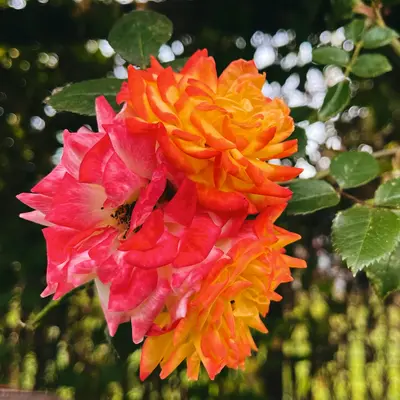
Vintage carnations present the sweet and spicy fragrance of clove. Frilly 1 1/2-2" double blooms with a small percentage of singles. Striped, flaked, and picotee types in shades of rose, pink, wine, salmon, cream, and white. Grass-like, gray or blue-green foliage. Blooms late July through August in our trials and is best grown as an annual for cut-flower production. Chabaud is an old-fashioned type dating back to as early as 1904. D. caryophyllus is native to the Mediterranean, where emotional attachment to this flower first took root. Also known as annual carnation. Pronounced shab-o, with a long "o." Tender perennial in Zones 6-8. Edible Flowers: Use the flower petals to garnish salads, desserts, soups, icing, and cold drinks. Flavor is of mild clove. Remove the petals from the flower base before consuming as the base can be quite bitter.
Harvest
130-140d
Days to harvest
Sun
Full sun to partial shade
Zones
6–9
USDA hardiness
Height
1-4 feet
Planting Timeline
Showing dates for Chabaud Picotee Double Mix in USDA Zone 7
All Zone 7 flower →Zone Map
Click a state to update dates
Chabaud Picotee Double Mix · Zones 6–9
Growing Details
Succession Planting
Chabaud Picotee is a tender perennial — it'll overwinter in zones 7–9 if you don't get a brutal freeze, but in production settings it's most commonly grown as an annual. That means you're not doing tight succession sowings the way you would with lettuce or radishes. One sowing per season is the norm: start seed indoors in February or March (7–14 days to germination at 65–70°F), then transplant out in April or May after your last frost date. The 130–140 days to first bloom means a February indoor start gets you flowers by late June or early July.
If you want a longer cutting window, start a second flat in late March and transplant those in mid-May. You'll get a staggered bloom flush rather than everything peaking at once — useful if you're supplying a CSA or selling at market. Don't push transplants into the ground past early June; plants going in the soil after that won't have enough time to establish and set buds before Georgia's peak heat shuts them down.
Complete Growing Guide
Light: Full sun (6 or more hours of direct sunlight a day), Partial Shade (Direct sunlight only part of the day, 2-6 hours). Soil: Clay, High Organic Matter, Loam (Silt), Sand. Soil pH: Alkaline (>8.0), Neutral (6.0-8.0). Drainage: Good Drainage, Moist. Height: 1 ft. 0 in. - 4 ft. 0 in.. Spread: 0 ft. 6 in. - 1 ft. 0 in.. Spacing: Less than 12 inches. Growth rate: Medium. Maintenance: Medium. Propagation: Seed, Stem Cutting. Regions: Coastal, Mountains, Piedmont.
Harvesting
Type: Capsule.
Edibility: Flowers are edible.
Storage & Preservation
Store cut Chabaud carnations in a clean vase with fresh, cool water (35-40°F is ideal) in a cool location away from direct sunlight and ripening fruit. They can last 10-14 days with proper care. For preservation, air-dry the blooms by hanging them upside down in a dark, well-ventilated space for 2-3 weeks to create dried arrangements. Alternatively, press individual petals between parchment paper under weights for 1-2 weeks to preserve them for crafts or culinary garnish. For extended storage, refrigerate stems at 35-40°F with high humidity and change water every 2-3 days.
History & Origin
Origin: Mediterranean area but exact range unknown
Advantages
- +Attracts: Bees, Butterflies, Moths
- +Edible: Flowers are edible.
Considerations
- -Toxic: Low severity
Companion Plants
Lavender and Dusty Miller are the two I'd prioritize planting close to Chabaud Picotee. Both are drought-tolerant once established and won't compete aggressively for water — which matters here because dianthus needs consistent moisture and you don't want a thirsty neighbor pulling from the same shallow root zone. Marigolds and chives pull double duty: marigolds deter thrips and aphids with their scent, and chives have shown mild fungal-suppression effects around susceptible ornamentals. In our zone 7 Georgia summers, where humidity makes Carnation rust a genuine seasonal threat, anything that discourages soft-bodied pest pressure without adding canopy density is worth the bed space.
Keep Black Walnut trees and fennel well away. Black Walnut roots produce juglone — a compound that interferes with respiration in a wide range of plants, dianthus included — and the affected root zone can extend well past the tree's drip line. Fennel is a different problem: it bolts fast, goes tall, and physically shades out lower-growing ornamentals before you realize it's happening. Mint is mostly a spacing issue rather than a chemical one, but it spreads by runner so aggressively that it'll crowd your carnations out of the bed within a single growing season.
Plant Together
Lavender
Repels moths, fleas, and mosquitoes while attracting pollinators
Chives
Deter aphids and other soft-bodied insects with their strong scent
Petunias
Repel aphids, tomato hornworms, and other garden pests
Dusty Miller
Provides excellent foliage contrast and similar growing requirements
Bachelor's Buttons
Attract beneficial insects and have similar care requirements
Marigolds
Repel aphids, thrips, and other pests while attracting beneficial insects
Sweet Alyssum
Attracts beneficial insects like lacewings and provides ground cover
Nasturtiums
Act as trap crops for aphids and cucumber beetles, protecting carnations
Keep Apart
Black Walnut Trees
Release juglone toxin that inhibits growth and can kill carnations
Fennel
Produces allelopathic compounds that stunt growth of most garden plants
Mint
Aggressive spreading nature competes for nutrients and space
Large Sunflowers
Create excessive shade and compete heavily for soil nutrients and water
Pests & Disease Resistance
Common Pests
Carnation rust mite, spider mites, aphids, thrips
Diseases
Carnation rust, Fusarium wilt, bacterial leaf spot, gray mold
Troubleshooting Chabaud Picotee Double Mix
What you'll see, why it happens, and what to do about it.
Orange or rust-colored powdery pustules on leaves and stems, usually appearing in humid stretches
Likely Causes
- Carnation rust (Uromyces dianthi) — a fungal disease that spreads via airborne spores and thrives when foliage stays wet overnight
- Overcrowding at less than 12-inch spacing, which traps humidity around the stems
What to Do
- 1.Remove and trash (don't compost) any infected leaves or stems immediately
- 2.Water at the base only — drip or soaker hose rather than overhead sprinklers — and water in the morning so the soil surface dries before dark
- 3.If it spreads despite that, apply a sulfur-based fungicide on a 7-day interval, following label rates
Plant wilts during the day even when the soil is moist, lower stem looks brown or water-soaked at the base
Likely Causes
- Fusarium wilt (Fusarium oxysporum f. sp. dianthi) — a soil-borne fungus that blocks vascular tissue; once it's in a plant, it doesn't come back out
- Poor drainage or repeated overhead watering that keeps the crown wet
What to Do
- 1.Pull the plant and dispose of it in the trash — don't compost it, and don't replant dianthus in that same spot for at least 3 seasons
- 2.Work in 2-3 inches of compost before replanting, and raise the bed 4-6 inches if water tends to pool there after rain
- 3.Source transplants or seed from reputable suppliers; Fusarium can travel on infected cuttings
Frequently Asked Questions
How long do Chabaud carnations last in a vase?▼
Are Chabaud carnations good for beginners?▼
Can you grow Chabaud carnations in containers?▼
What does a Chabaud carnation taste like?▼
When should I plant Chabaud carnation seeds?▼
What makes Chabaud carnations special compared to modern carnations?▼
Zone-by-Zone Planting Calendar
| Zone | Indoor Start | Transplant | Direct Sow | Harvest |
|---|---|---|---|---|
| Zone 3 | April – May | June – July | June – August | — |
| Zone 4 | March – April | June – June | June – July | — |
| Zone 5 | March – April | May – June | May – July | — |
| Zone 6 | March – April | May – June | May – July | — |
| Zone 7 | February – March | April – May | April – June | — |
| Zone 8 | February – March | April – May | April – June | — |
| Zone 9 | January – February | March – April | March – May | — |
| Zone 10 | January – January | February – March | February – April | — |
| Zone 1 | May – June | July – August | July – September | — |
| Zone 2 | April – May | June – July | June – August | — |
| Zone 11 | January – January | January – February | January – March | — |
| Zone 12 | January – January | January – February | January – March | — |
| Zone 13 | January – January | January – February | January – March | — |
Growing Guides from Wind River Greens
Sources & References
External authority sources used in compiling this guide.
- BreederJohnny's Selected Seeds
See the Methodology page for how this data is sourced, what's AI-assisted, and known limitations.