Large-Flowered Trillium
Trillium grandiflorum
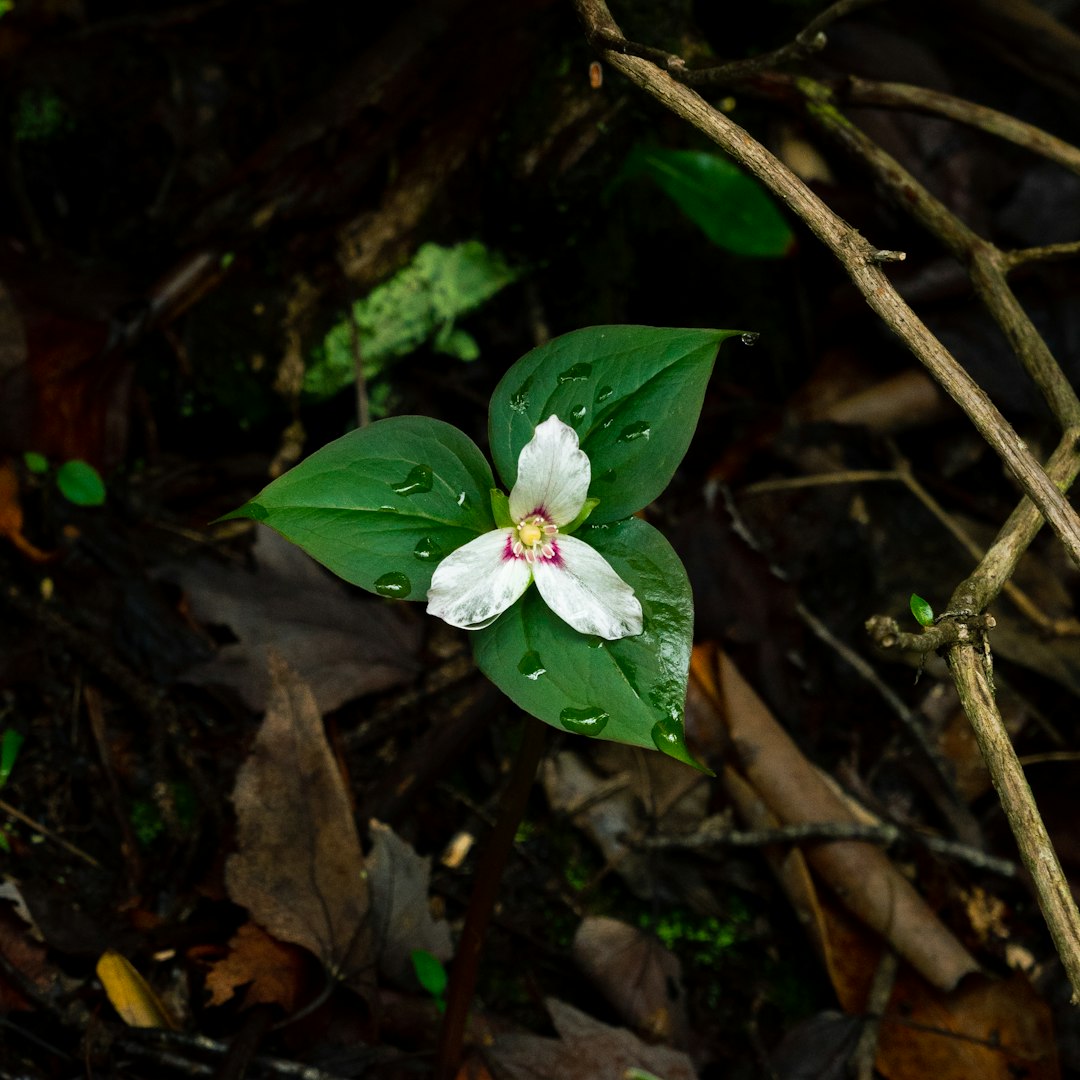
Large-Flowered Trillium (Trillium grandiflorum) is a perennial native wildflower. Hardy in USDA zones 4 to 8. Prefers part sun.
Sun
Partial shade
Zones
4–8
USDA hardiness
Height
1-3 feet
Planting Timeline
Showing dates for Large-Flowered Trillium in USDA Zone 7
All Zone 7 native-wildflower →Zone Map
Click a state to update dates
Large-Flowered Trillium · Zones 4–8
Growing Details
Complete Growing Guide
Light: Dappled Sunlight (Shade through upper canopy all day), Deep shade (Less than 2 hours to no direct sunlight), Partial Shade (Direct sunlight only part of the day, 2-6 hours). Soil: High Organic Matter. Soil pH: Acid (<6.0), Neutral (6.0-8.0). Drainage: Good Drainage, Moist. Height: 1 ft. 0 in. - 3 ft. 0 in.. Spread: 0 ft. 9 in. - 1 ft. 0 in.. Spacing: 12 inches-3 feet. Growth rate: Slow. Maintenance: Medium. Propagation: Division, Seed. Regions: Mountains, Piedmont.
Harvesting
6-parted berry-like capsules with seeds dispersed by ants. In North Carolina, fruits are available from July to August.
Color: Red/Burgundy. Type: Berry, Capsule. Length: < 1 inch. Width: < 1 inch.
Harvest time: Summer
Edibility: EDIBLE PARTS: Young, unfolding leaves HARVEST TIME: Only collect leaves from areas you know have NOT been treated with pesticides. SAFE HANDLING PROCEDURES: Wash leaves in warm water to remove dirt and debris. Do not use dish detergent or any type of sanitizer. These products can leave a residue. Cook in boiling, salted water for ten minutes and serve like greens. SOURCE: Crowhurst, A. 1972. The Weed Cookbook. Lancer Books, Inc. New York, 190 pp.
Storage & Preservation
Large-Flowered Trillium is purely ornamental and not typically stored as food. However, if you're interested in seed preservation, allow pods to dry completely on the plant, then collect and store seeds in a cool, dry location (45-50°F, 30-40% humidity) in sealed paper envelopes for up to two years. Some gardeners prefer stratifying seeds immediately: mix seeds with moist sand or peat moss, place in a sealed plastic bag, and refrigerate for 30-60 days before sowing in spring. Dried flower petals have minimal shelf life and no culinary value, but some crafters press whole blooms for botanical artwork—place between parchment paper under a heavy book for 2-3 weeks in a dry room. Do not attempt to preserve fresh flowers in water; the ephemeral nature of trillium blooms is part of their charm.
History & Origin
This native North American wildflower has no documented breeder or formal introduction date, as Trillium grandiflorum arose naturally across eastern woodlands rather than through cultivation. The species has inhabited the understory of deciduous forests from Quebec to North Carolina for millennia, predating horticultural documentation. Gardeners began collecting and propagating wild populations in the nineteenth century as interest in native plants grew, though no specific breeding program or seed company is credited with its garden development. The common name "Large-Flowered Trillium" simply reflects its botanical distinction—its notably larger white flowers compared to related Trillium species—establishing it through vernacular tradition rather than formal nomenclature.
Origin: Eastern North America
Advantages
- +Attracts: Bees, Moths, Pollinators, Small Mammals
Considerations
- -Toxic (Fruits, Roots): Low severity
Companion Plants
Wild Ginger (Asarum canadense) is the strongest pairing — it spreads slowly at the same soil depth without crowding, holds moisture, and suppresses weed germination right where Trillium needs it most. Solomon's Seal and Ferns work for a similar reason: they fill vertical space above without putting serious root pressure on the rhizome below. Bloodroot and Mayapple share Trillium's bloom timing and pH range (6.0–7.0), so they fit naturally into the same planting pocket. Mint gets excluded on practical grounds — given 12 months, it will physically displace a Trillium rhizome through sheer lateral spread.
Plant Together
Wild Ginger
Shares similar shade and moisture requirements, provides complementary ground cover
Bloodroot
Compatible spring ephemeral with similar soil and light needs
Mayapple
Creates beneficial understory canopy and shares woodland habitat preferences
Jack-in-the-Pulpit
Thrives in same moist, rich woodland conditions without competing for resources
Solomon's Seal
Provides vertical structure while sharing shade tolerance and soil preferences
Wild Columbine
Compatible woodland native that attracts beneficial pollinators
Ferns
Create natural woodland environment and help maintain consistent soil moisture
Violet
Low-growing companion that doesn't compete and attracts beneficial insects
Keep Apart
Hostas
Non-native with aggressive root system that can outcompete and alter soil chemistry
Black Walnut
Produces juglone toxin that inhibits growth of most woodland wildflowers
Mint
Aggressive spreader that can quickly overwhelm delicate native wildflower populations
Pests & Disease Resistance
Common Pests
Slugs, deer (occasional)
Diseases
None significant
Troubleshooting Large-Flowered Trillium
What you'll see, why it happens, and what to do about it.
Irregular holes chewed in leaves, slime trails visible on or near foliage in the morning
Likely Causes
- Slugs — thrive in the moist, shaded conditions Trillium prefers
- Heavy mulch layer providing daytime hiding spots within inches of the plant
What to Do
- 1.Set out shallow traps with beer at soil level, 6–8 inches from the plants, and empty them every morning
- 2.Pull mulch back 3–4 inches from the crown so slugs have less cover right at the base
- 3.Scatter diatomaceous earth in a ring around the plants after a dry spell — it loses effectiveness once wet
Entire plant — stem, leaves, and flower — snapped off cleanly at or near the base overnight
Likely Causes
- Deer browse — Trillium grandiflorum is a preferred spring food source for white-tailed deer, especially before other forage leafs out
What to Do
- 1.Encircle individual plants or the whole planting with 4-foot wire mesh fencing; deer pressure on Trillium is well documented by the USDA Forest Service and casual deterrents rarely hold
- 2.If fencing isn't practical, apply a repellent spray (Plantskydd or similar) on a 2–3 week schedule through the March–May emergence window
- 3.A single browse event can set a plant back 5–7 years of growth — this one is worth protecting seriously
Plant emerges for one or two springs, then fails to reappear; no visible damage to foliage while it was up
Likely Causes
- Overcrowding by aggressive surface-rooting neighbors — Hostas are a common offender, smothering the rhizome at the same soil depth
- Black walnut (Juglans nigra) proximity — juglone toxicity accumulates in the root zone and is documented to kill many woodland understory species
- Transplant stress from dividing a plant before it had time to anchor; Trillium rhizomes need 2–3 undisturbed years minimum after any move
What to Do
- 1.Remove Hostas within 18 inches and don't replant them nearby — they compete at exactly the same depth and outcompete Trillium reliably
- 2.Check your site: if a Black walnut stands within 50 feet, juglone concentration in that radius is high enough to explain the disappearance
- 3.Source nursery-propagated stock rather than wild-collected divisions, and leave whatever you plant completely alone for at least 3 years
Frequently Asked Questions
How long does it take Large-Flowered Trillium to bloom from seed?▼
Can you grow Large-Flowered Trillium in containers?▼
Is Large-Flowered Trillium a good choice for beginners?▼
When should I plant Large-Flowered Trillium rhizomes?▼
What's the difference between Large-Flowered Trillium and other trillium species?▼
Do deer eat Large-Flowered Trillium?▼
Zone-by-Zone Planting Calendar
Growing Guides from Wind River Greens
Sources & References
External authority sources used in compiling this guide.
- ExtensionNC State Extension
See the Methodology page for how this data is sourced, what's AI-assisted, and known limitations.