Classic Romantic
Centaurea cyanus
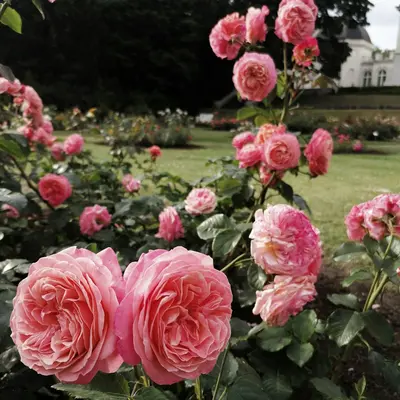
Abundant 1-1 1/2" flowers on upright plants. Double and semidouble, bicolor blooms in pink and white. Attractive, frosted appearance. Elegant addition to salads and desserts. Edible Flowers: Use the petals of this great edible flower for decorating desserts. Centaurea is also a popular choice for brightening up salad mix. Flavor is bland and mildly floral.
Harvest
65-75d
Days to harvest
Sun
Full sun to partial shade
Zones
2–11
USDA hardiness
Height
1-3 feet
Planting Timeline
Showing dates for Classic Romantic in USDA Zone 7
All Zone 7 flower →Zone Map
Click a state to update dates
Classic Romantic · Zones 2–11
Growing Details
Succession Planting
Direct sow Classic Romantic every 3 weeks starting as soon as soil can be worked in early spring (soil temp around 60°F is plenty) through late April in zone 7. It germinates in 7-14 days and flowers in roughly 65-75 days, so a mid-March sowing hits peak bloom in late May or early June before heat shuts it down. Stop spring sowings once daytime highs are regularly hitting 75°F — seeds sown into warm soil germinate poorly and the plants won't have enough cool weather to put on a decent show.
For a fall run, direct sow again in late July through mid-August. The seedlings establish in the late-summer heat but do most of their growing once temperatures drop back into the 60s, and they'll bloom right up until the first hard frost. This two-window approach — early spring and late summer — gets you the most out of a plant that genuinely dislikes summer.
Complete Growing Guide
Abundant 1-1 1/2" flowers on upright plants. Double and semidouble, bicolor blooms in pink and white. Attractive, frosted appearance. Elegant addition to salads and desserts. Edible Flowers: Use the petals of this great edible flower for decorating desserts. Centaurea is also a popular choice for brightening up salad mix. Flavor is bland and mildly floral. According to Johnny's Selected Seeds, Classic Romantic is 65 - 75 days to maturity, annual, open pollinated. Notable features: Use for Cut Flowers and Bouquets, Edible Flowers, Attracts Beneficial Insects.
Light: Full sun (6 or more hours of direct sunlight a day), Partial Shade (Direct sunlight only part of the day, 2-6 hours). Soil: Clay, High Organic Matter, Loam (Silt). Soil pH: Acid (<6.0), Alkaline (>8.0), Neutral (6.0-8.0). Drainage: Good Drainage, Moist. Height: 1 ft. 0 in. - 3 ft. 0 in.. Spread: 1 ft. 0 in. - 2 ft. 0 in.. Spacing: Less than 12 inches. Growth rate: Medium. Maintenance: High. Propagation: Seed.
Harvesting
Classic Romantic reaches harvest at 65 - 75 days from sowing per Johnny's Selected Seeds. Expect 1-1 1/2" at peak. As an annual, harvest continues until frost ends the season.
Finely hairy, straw-colored at maturity with a tuft of short, stiff, light brown bristles at the tip.
Color: Cream/Tan. Type: Achene. Length: < 1 inch. Width: < 1 inch.
Harvest time: Fall
Edibility: Edible
Storage & Preservation
For fresh storage, keep Classic Romantic flowers in the refrigerator in a vase with fresh water, or wrapped in damp paper towels in a sealed plastic bag. Maintain temperatures of 35-40°F with moderate humidity. Petals will stay fresh for 3-5 days when stored this way. For preservation, air-dry petals by spreading them on a clean cloth in a cool, dark, well-ventilated area for 1-2 weeks until completely desiccated—ideal for decorative use. Alternatively, freeze petals in ice cube trays with water or sugar syrup for up to 3 months, perfect for garnishing cold beverages. Crystallizing petals with egg white and superfine sugar creates an elegant, shelf-stable decoration lasting several weeks.
History & Origin
Classic Romantic is open-pollinated, meaning seed saved from healthy plants will produce true-to-type offspring. Listed in the Johnny's Selected Seeds catalog.
Origin: Western Asia, Europe
Advantages
- +Produces abundant double and semidouble blooms on upright, compact plants
- +Beautiful bicolor pink and white flowers with attractive frosted appearance
- +Versatile edible petals perfect for garnishing desserts and salad mixes
- +Quick maturity at 65-75 days makes it ideal for succession planting
- +Easy to grow variety suitable for beginner and experienced gardeners
Considerations
- -Bland, mildly floral flavor limits culinary appeal for taste-focused uses
- -Bicolor blooms may fade or lose vibrancy in intense heat or sun
- -Requires deadheading to maintain continuous flowering throughout season
Companion Plants
Lavender, catmint, and salvia all make strong neighbors for Classic Romantic because they share the same preferences — full sun, decent drainage, and not much fussing over water. Plant them together and you get a pollinator corridor that draws bees and beneficial wasps across a wider area than any single species would manage. Marigolds (particularly Tagetes patula) pull their weight at the border by repelling aphids and whiteflies that would otherwise work their way up cornflower stems. Alyssum, kept to the edge at 6-8 inches tall, fills in the low gaps without competing for light.
Black walnut is a hard no — roots release juglone into the surrounding soil and Centaurea isn't immune to it. Large trees are a problem for a blunter reason: Classic Romantic needs at least 4-6 hours of direct sun to bloom reliably, and heavy shade just produces tall, leggy plants with almost no flowers. Fennel secretes allelopathic compounds that suppress germination in nearby plants; it's a bad neighbor to most things in a mixed bed, so give it its own isolated patch.
Plant Together
Lavender
Repels aphids, moths, and mice while attracting beneficial pollinators
Marigolds
Deters nematodes, aphids, and whiteflies through natural pest-repelling compounds
Catmint
Repels ants, aphids, and rodents while attracting beneficial insects
Alyssum
Attracts beneficial insects like hoverflies and parasitic wasps for natural pest control
Chives
Deters aphids and Japanese beetles with strong sulfur compounds
Clematis
Provides complementary vertical structure and shares similar growing conditions
Salvia
Attracts pollinators and beneficial insects while deterring harmful pests
Peonies
Bloom at different times providing extended garden interest and attract beneficial ants
Keep Apart
Black Walnut
Produces juglone toxin that inhibits growth and can cause wilting in roses
Large Trees
Compete for nutrients, water, and create excessive shade reducing flowering
Fennel
Releases allelopathic compounds that inhibit growth of most garden plants
Troubleshooting Classic Romantic
What you'll see, why it happens, and what to do about it.
Powdery white coating on leaves and stems, usually showing up mid-summer when nights cool down but days stay warm
Likely Causes
- Powdery mildew (Erysiphe cichoracearum) — common on Centaurea, especially in humid conditions with poor air circulation
- Crowded planting at less than 12 inches apart that traps moisture around foliage
What to Do
- 1.Cut affected stems back by one-third and trash the clippings — don't compost them
- 2.Space new plantings at least 18 inches apart to let air move through
- 3.If it keeps spreading, apply a diluted neem oil spray (2 tbsp per gallon of water) every 7 days until symptoms stop
Plants stop flowering and set seed aggressively by early summer, well before you expected them to finish
Likely Causes
- Heat-triggered decline — Classic Romantic is a cool-season annual that stalls fast once daytime temps push past 80°F
- Skipping deadheading, which signals the plant to put energy into seed production instead of new blooms
What to Do
- 1.Deadhead spent blooms every 3-4 days during peak season to extend flowering by several weeks
- 2.For a second flush in fall, direct sow a new round in late July or August so plants establish before the first frost
- 3.Accept that summer plants are done — pull them, add to compost, and move on
Frequently Asked Questions
How long do Classic Romantic flowers stay fresh after cutting?▼
Can you grow Classic Romantic flowers in containers?▼
Is Classic Romantic good for beginners?▼
What does Classic Romantic taste like?▼
When should I plant Classic Romantic flowers?▼
How much space do Classic Romantic plants need?▼
Zone-by-Zone Planting Calendar
| Zone | Indoor Start | Transplant | Direct Sow | Harvest |
|---|---|---|---|---|
| Zone 1 | May – June | July – August | July – September | — |
| Zone 2 | April – May | June – July | June – August | — |
| Zone 11 | January – January | January – February | January – March | — |
| Zone 12 | January – January | January – February | January – March | — |
| Zone 13 | January – January | January – February | January – March | — |
| Zone 3 | April – May | June – July | June – August | — |
| Zone 4 | March – April | June – June | June – July | — |
| Zone 5 | March – April | May – June | May – July | — |
| Zone 6 | March – April | May – June | May – July | — |
| Zone 7 | February – March | April – May | April – June | — |
| Zone 8 | February – March | April – May | April – June | — |
| Zone 9 | January – February | March – April | March – May | — |
| Zone 10 | January – January | February – March | February – April | — |
Growing Guides from Wind River Greens
Sources & References
External authority sources used in compiling this guide.
- BreederJohnny's Selected Seeds
See the Methodology page for how this data is sourced, what's AI-assisted, and known limitations.